TEN TALKS TO WASIA PROJECT
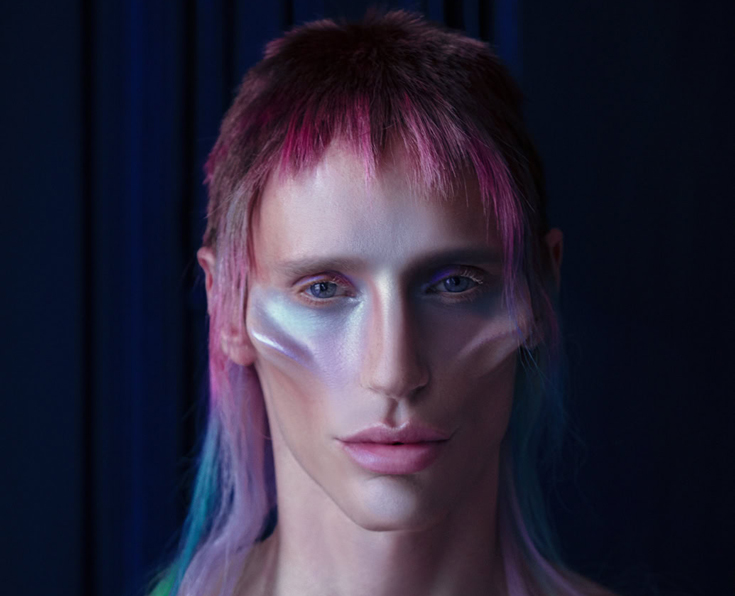
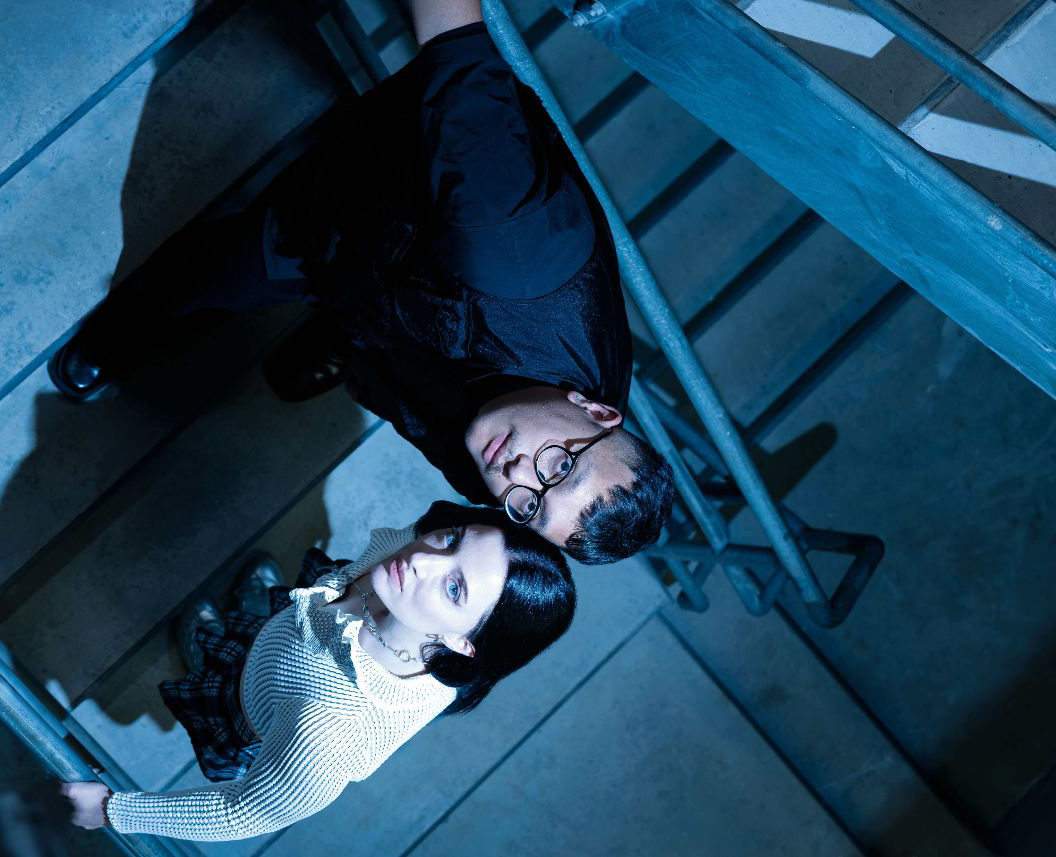
Wasia Project are stepping further into the world of their forthcoming debut album, Nocturne, with Vogue, a shimmering, club-ready single that finds the sibling duo giving in to the pull of the night. The sibling duo's debut album is an all-encompassing journey through euphoric dancefloors and the quieter, more introspective hours that follow. Vogue is the ethereal and sensual track that encapsulates the electricity of a new connection. “Vogue is an ethereal, club inspired song, about surrendering to desire rather than resisting it,” the duo explain. “It’s euphoric and immersive, exploring the anticipation of where a night might lead, the electricity of connection and the feeling of being completely consumed by someone.” With Nocturne set for release on September 18, we caught up with Olivia and William of Wasia Project to talk about the album, the world they’ve created, and what's next:
We love your music, especially the recent singles leading up to your debut album. Tell us about the genesis of the record. Was there a moment where it really started to take shape and you realised you were working towards your debut album?
Olivia: We went in with the intention of making our debut album. There wasn't really a falling into it. We were very conscious of it, which I think added to the pressure at the beginning.
William: Yeah, we found it quite tough for the first few months. We'd never really had a stretch of time where we'd said, "This is music time," and labelled it that. I think the fact that we labelled it put pressure on the process. But I'd say the moment it really started to take shape was later in the year. We went on tour over the summer, played some shows, and when we came back it felt like we'd finally found a flow.
Olivia: Yeah, we'd come back with five or six songs in the running, and we'd been chipping away at them pretty incessantly before we left. When we returned, we started working on new ideas and everything flowed a bit better. It became more enjoyable because it no longer felt like we had to get a certain number of songs over the line. We could just be free. I think playing live also gave us the awareness that we actually had more time than we'd convinced ourselves we did.
Did you have a clear intention with this album going into writing and recording?
William: We definitely wanted the sound to be more reflective of where we are now, and where our taste is now. We were very aware of that going in. Of course, being aware of something and actually making it happen are two different things. But from the beginning, we wanted the record to feel representative of who we were at that moment.
You obviously grew up together. How did you begin making music? Was it music lessons, or what first drew you both into music and eventually writing together?
Olivia: I started violin when I was four, so that's probably the beginning. Same with you.
William: Same with me. We both did a lot of music growing up and went to loads of music classes. Our mum was pretty committed to us doing it, and I think that gave us discipline. Then, by the time we were teenagers and figuring out who we were and what we wanted to do creatively, making music became more important than just playing it. We definitely started in the lane of studying music and treating it as a weekly, or really daily, practice.
Olivia: We both started songwriting around a similar time before lockdown, but in different ways. For you it was more of a discovery, whereas I loved pop artists and pop music, so I'd do covers and then write songs too. Eventually we put our heads together in the living room and made the first song William ever wrote.
William: And the first song we ever released as Wasia Project.
Olivia: The first Wasia Project song with me singing it. Then we put together a collection of songs we'd both written individually for our first EP, and the rest is history.
What was the environment like while writing the album? Were there particular spaces that shaped the lyrics and sound?
William: That's a good question. The studios we worked in were really important. We spent time at Baltic in East London, which had loads of natural light and almost a Californian feel. That definitely helped us feel freer with our ideas.
Olivia: There was a lot of space in that studio. Otherwise we were working at St. Francis Hotel's studio in East London, where we'd made a lot of our previous music. But it was quite difficult because London is pretty dreary at that time of year, and being in a warehouse every day was a lot.
William: I also think a lot of the inspiration came from outside the studio. I went to Berlin for a bit, and we travelled to the States to play shows. Drawing on those experiences was just as important as the hours we spent in the studio.
Olivia: I also tried writing in a church. I rented a piano space in a church in Croydon and would go there during the early stages to map out ideas before we put our heads together. It was absolutely freezing because I didn't pay for a heater, so maybe that inspired some icy, sad sounds.
Who else did you work with? Who helped shape the sound of the album, and what did you learn from them?
William: We worked with St. Francis Hotel, who's been a collaborator for a few years now. He produced Isotope as well, and really gave us space to develop ideas. He also helped introduce some of the darker tones, and the trip-hop and even dance elements, into the sound. So a huge shout-out to Dec—he was a real guiding force on this record. Then, of course, there were all the incredible musicians we worked with along the way, including our wonderful band and the string players. Some of the arrangements were done by Rosie Danvers. We spent a week at RAK Studios in London with loads of musicians coming through, and it was such an incredible week of making music. I'm so grateful to everyone who poured their heart and soul into the project.
Olivia: Also, the level of patience it takes to work with us, especially in the final stages. Shout-out to St. Francis Hotel for that...
William: For sure.
Olivia: ...and Charlie Rolfe, who engineered as well.
William: We get really pernickety, so that patience is hugely appreciated.
What have you learned about yourselves through making this record, both individually and as a duo?
William: We've learned so much over the last year. It's probably been the biggest learning curve we've had as a duo. We've discovered how we collaborate best, and also how we don't work very well. Personally, I've learned a lot about the creative process. I've become less attached to having very specific expectations at the beginning, while also getting better at listening to myself. I feel like I've become much more of a listener during the creative process, and that's been really important.
Olivia: I've learned to give myself space mentally and creatively when I need it, and to recognise when I need it. At the beginning of the process I was putting a lot of pressure on myself and trying to force discipline. I've realised I can't treat songwriting like homework. It doesn't work like that. I have to let it breathe, allow myself to be inspired, and actually live life instead of constantly trying to funnel everything into writing.
Is there a song you're particularly proud of finishing? Maybe one that was especially challenging to get right?
William: I'm really glad we got Bleeding Gold over the line. It was one of those songs that felt like a huge jigsaw puzzle, or a Rubik's Cube, right until the end. From a production perspective, I'm really happy we eventually found the sweet spot we'd been hearing in our heads from very early on.
Olivia: For me, it's Vogue. I remember sitting in the studio feeling like there was one final piece missing. I don't usually get that feeling—normally I just have to let things go—but with Vogue we added this huge reverb over my voice during the final dance section. It became this really ethereal vocal that floated over the instrumental. We listened back and I just thought, "That's it. It's done." It was the final piece of the puzzle. Now when I hear it, it's just so much fun. I think it's perfect.
Which rising artists are you excited about? Who have you been listening to?
William: I've been listening to a lot of Weyes Blood again recently... Weyes Blood's definitely not rising anymore.
Olivia: She's very much risen.
William: Exactly. So forget that answer.
Olivia: I was really into Night Tapes for a couple of months around making the album. I'd listen to them while cycling at night, and it really fit into the Nocturne world. They have this really nocturnal atmosphere. Just go and listen to them.
William: For me, Forest Claudette. I think he's from Australia. He's been around for a little while now, but he's definitely gaining a lot more attention, and I absolutely love his music.
You recently toured with Laufey, which is huge. What did you learn from her?
William: It was such an honour to be part of that tour. We were incredibly lucky. More than anything, I'm inspired by her work ethic. She completely devotes herself to the craft, and I've always admired that.
Olivia: I think watching her core team work together was something to behold. Seeing everything that goes into a production of that scale - the teamwork behind the scenes - was really special. Her production has only gotten bigger since then, but I imagine it's still built around that same core group of people, and it was amazing to see how important those relationships are.
Is there something beyond music that you're passionate about and would like to use your platform for?
William: Big question. I think we're still in the process of really understanding what the music is, and we're still very young. The main thing I'd say is that we want to advocate for people making music, creating together, and continuing to make art. It's brought us so much joy and taken us to places we never imagined. We've been incredibly lucky, and it all started with a desire to connect through music and art. If anything, we'd love to help keep that spirit alive because I don't think it's ever been more important.
What's next?
William: Nocturne is out on 18 September.
Olivia: And a massive fuck-off tour.
William: With lots of lights.
Olivia: Lots of touring.
William: Then we'll see what comes next. I think, with anything, you take some time, travel, do what you need to do, and then come back refreshed and ready to make whatever comes next.
Listen to Wasia Project HERE.