Cartier’s Latest High Jewellery Is An Ode To Japan
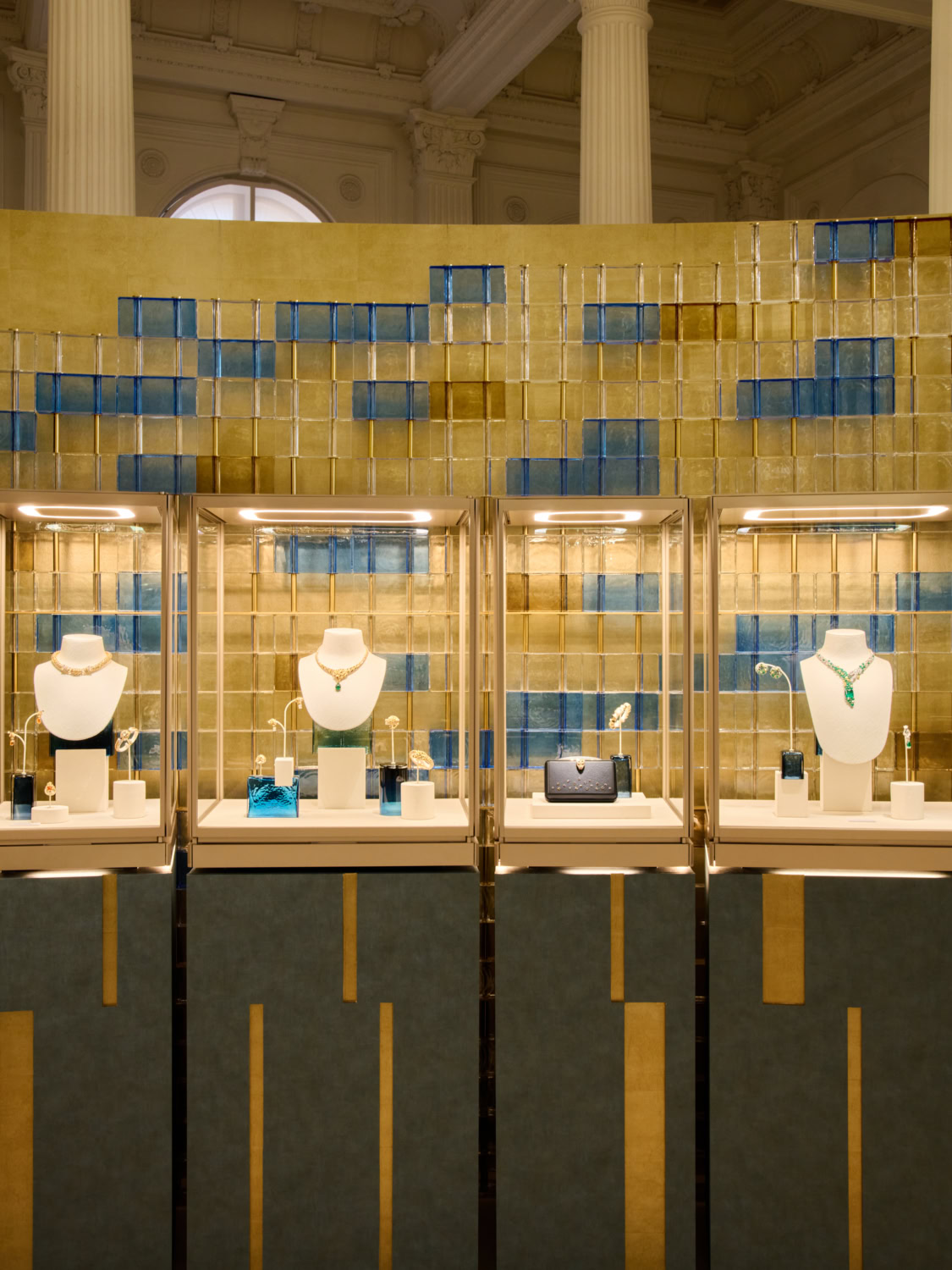
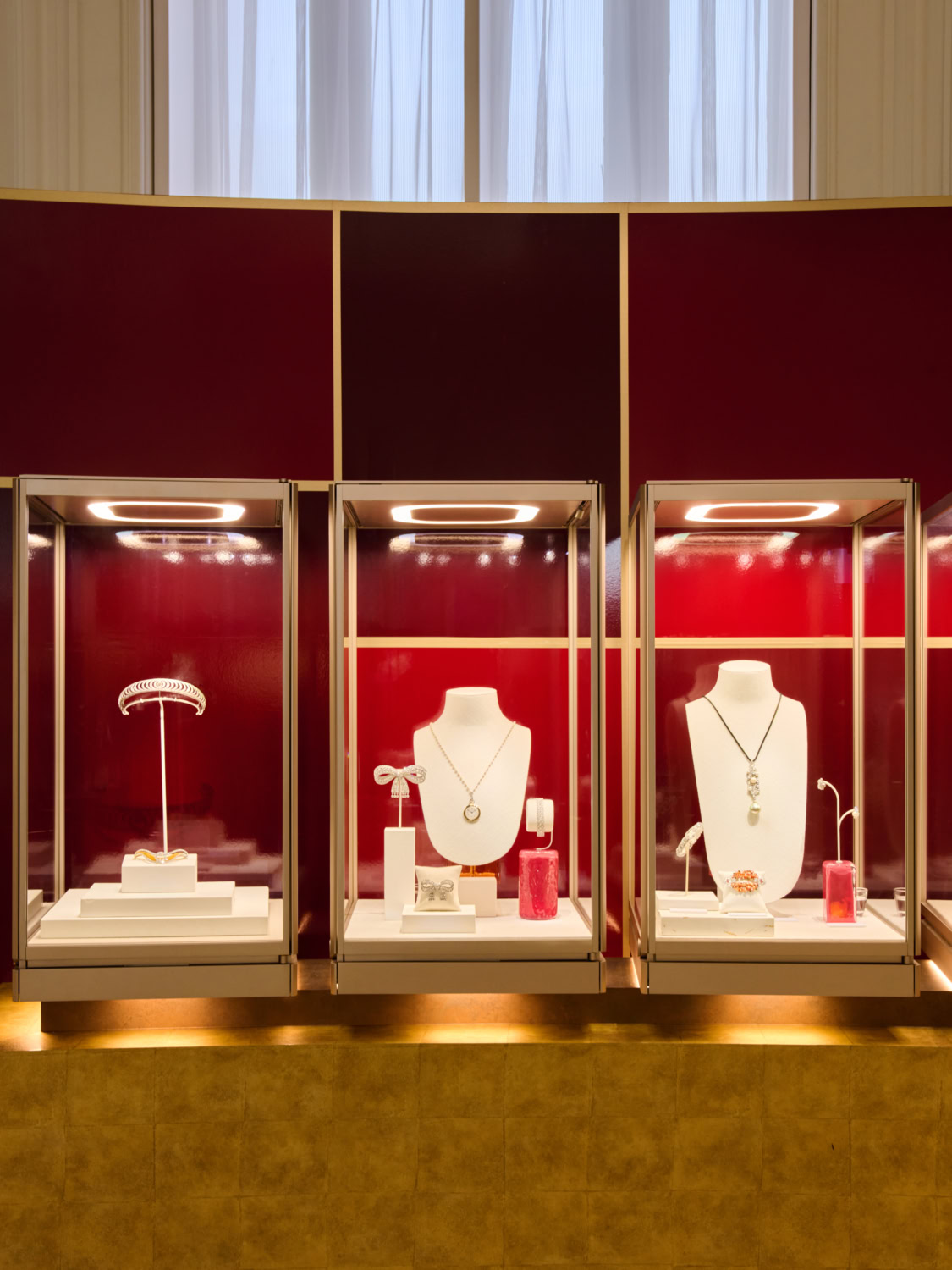
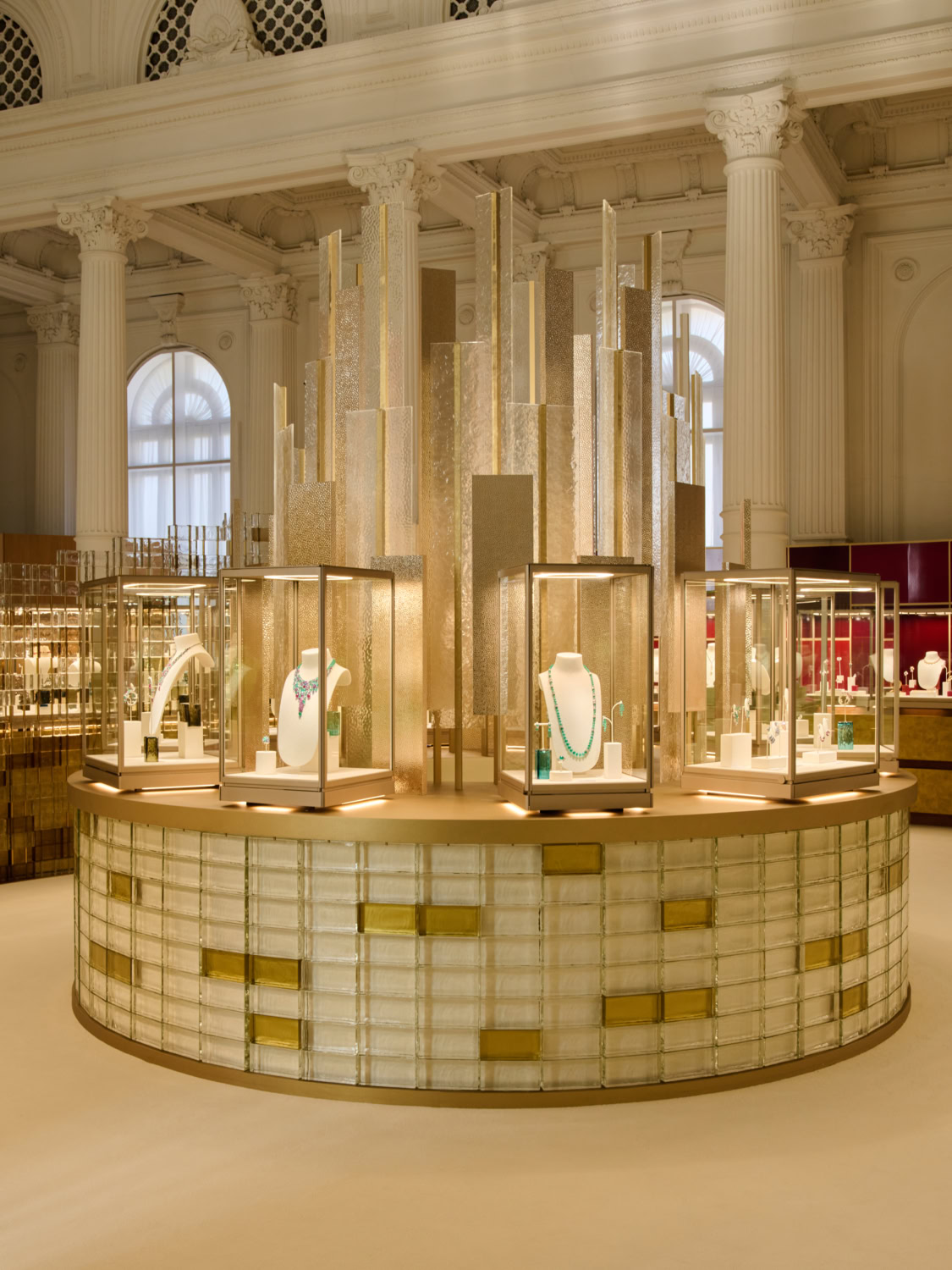
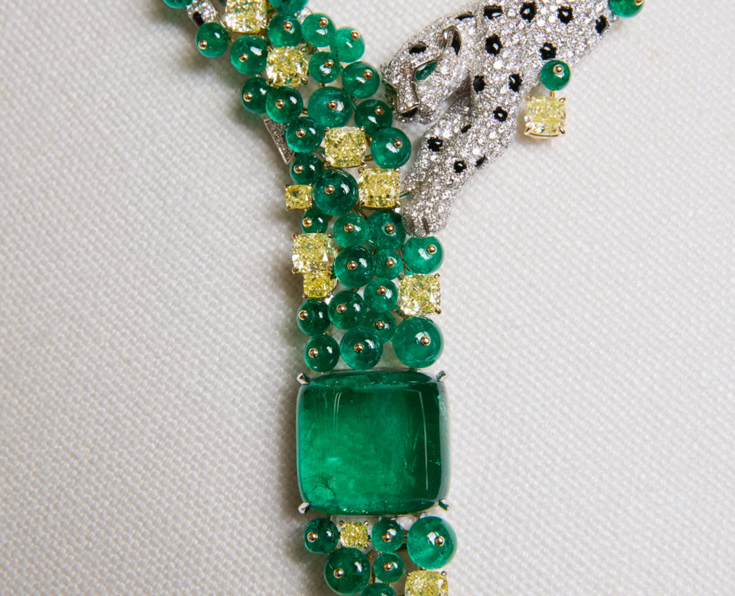
It was no accident that Cartier unveiled its latest, 46-piece high jewellery collection, Le Chœur des Pierres in Kyoto’s National Museum. The setting highlighted Cartier’s long-standing creative connection to Japan. “The curiosity of the Cartier designers towards other cultures is very ancient,” said Pierre Rainero, Cartier’s director of image, style and patrimony. As early as 1903, Cartier was creating wisteria brooches and earrings – the plant, native to Asia, was not introduced in Europe until the end of the 19th century. Cartier sent salespeople to Japan as early as 1908 to nurture Japanese clients.
“Louis Cartier was a member of an association of people engaged in the promotion of Japanese art in Paris, so we kept in our archives many invitations of this association’s with very beautiful Japanese illustrations from the 1920s,” said Rainero. The company archives are full of art books dealing with Japanese culture. “They are probably the most important ones in the library at the disposal of our designers.” The influence is clear. A diamond cherry blossom bracelet from 1925, set with cabochon rubies and emeralds, or a tiny, tasselled vanity bag, made in 1930 from gilded and lacquered wood with mother-of-pearl inlay and designed to hold a single lipstick are amongst many Cartier archive pieces that reference Japanese art and nature. “Japan is very important for so many reasons: the importance of nature and all the deep symbolic values and also a culture of design, because you have stylisation in Japanese culture which is very interesting and I think that probably influenced us a lot,” says Rainero.
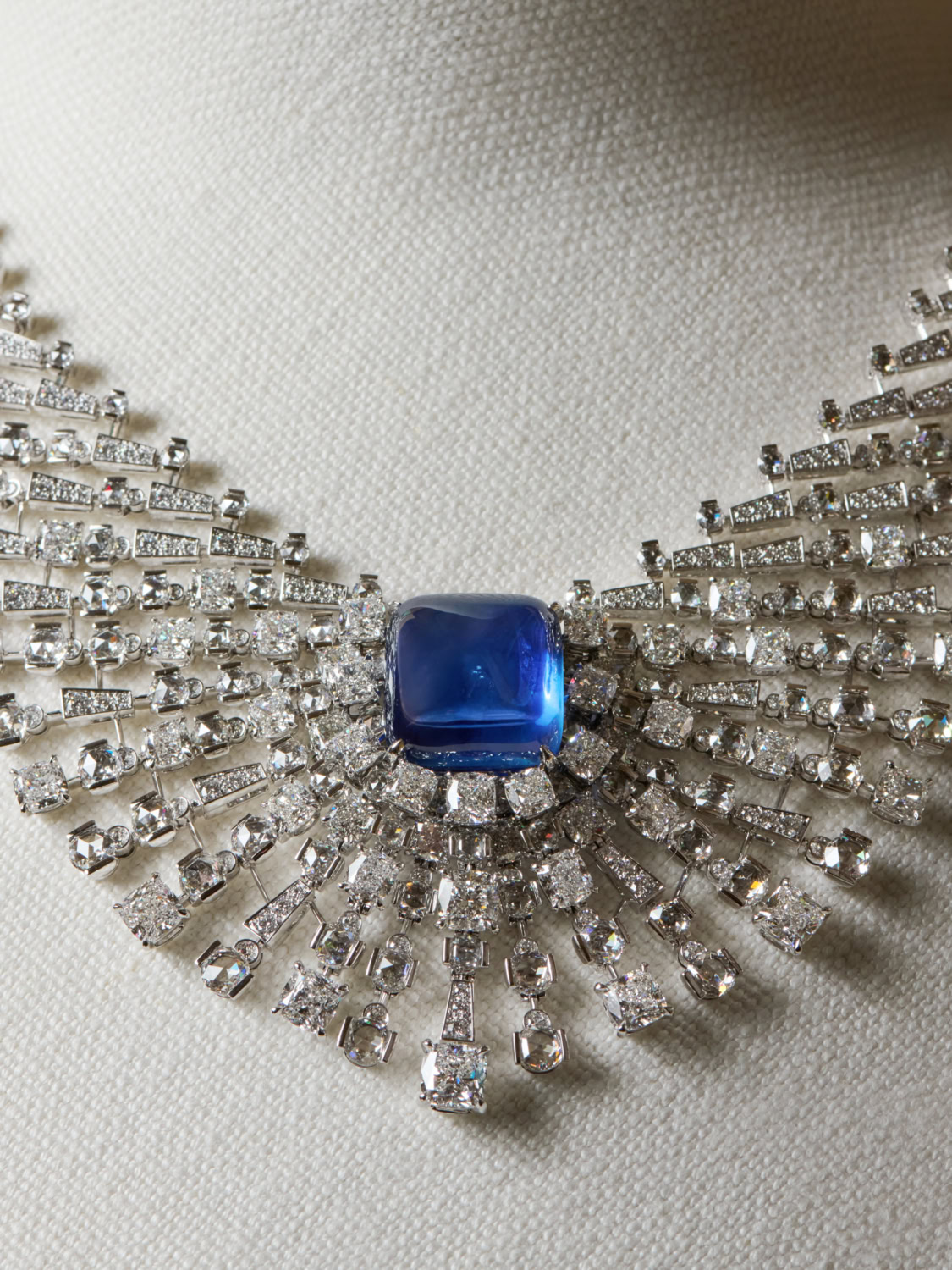
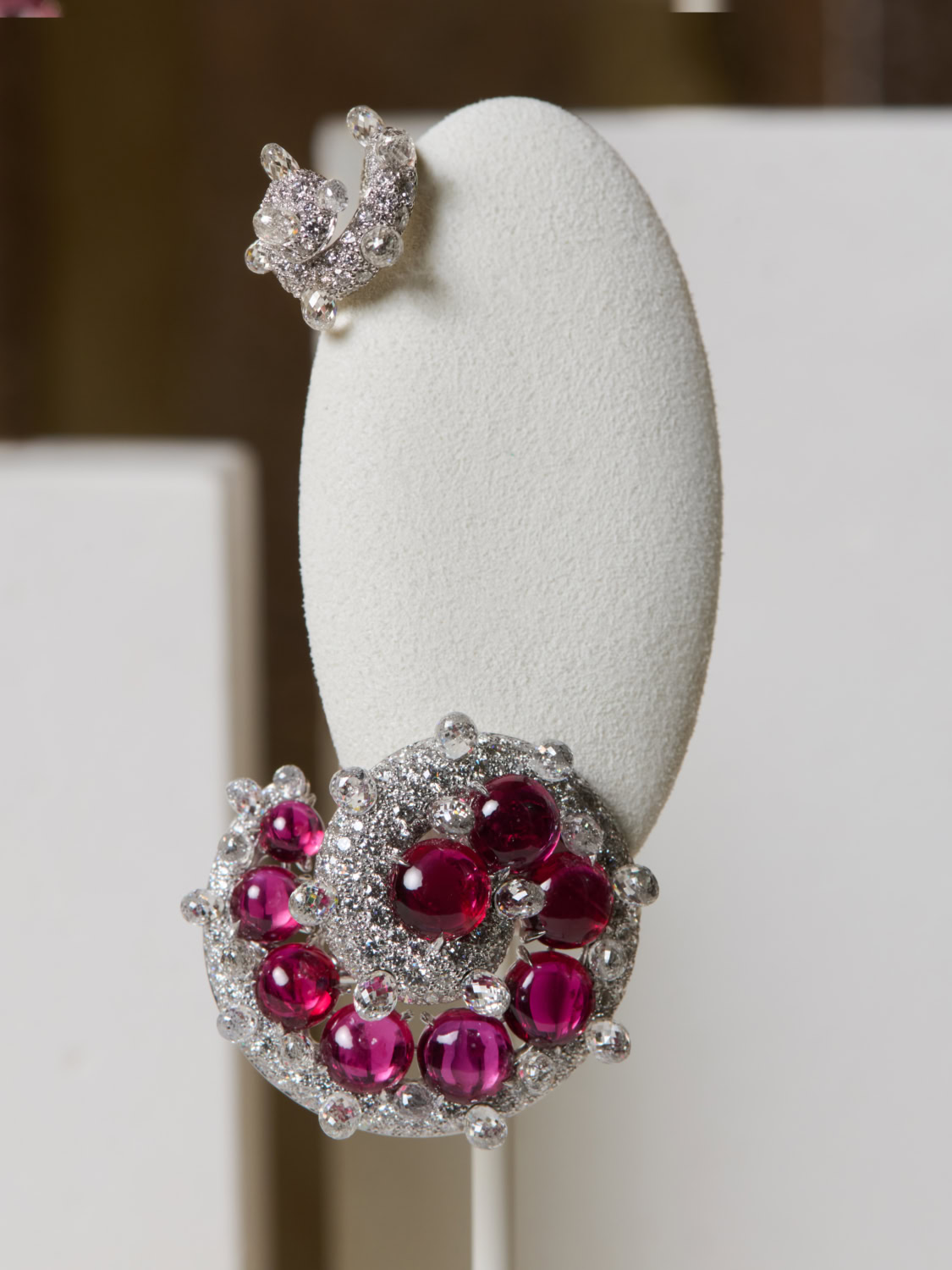
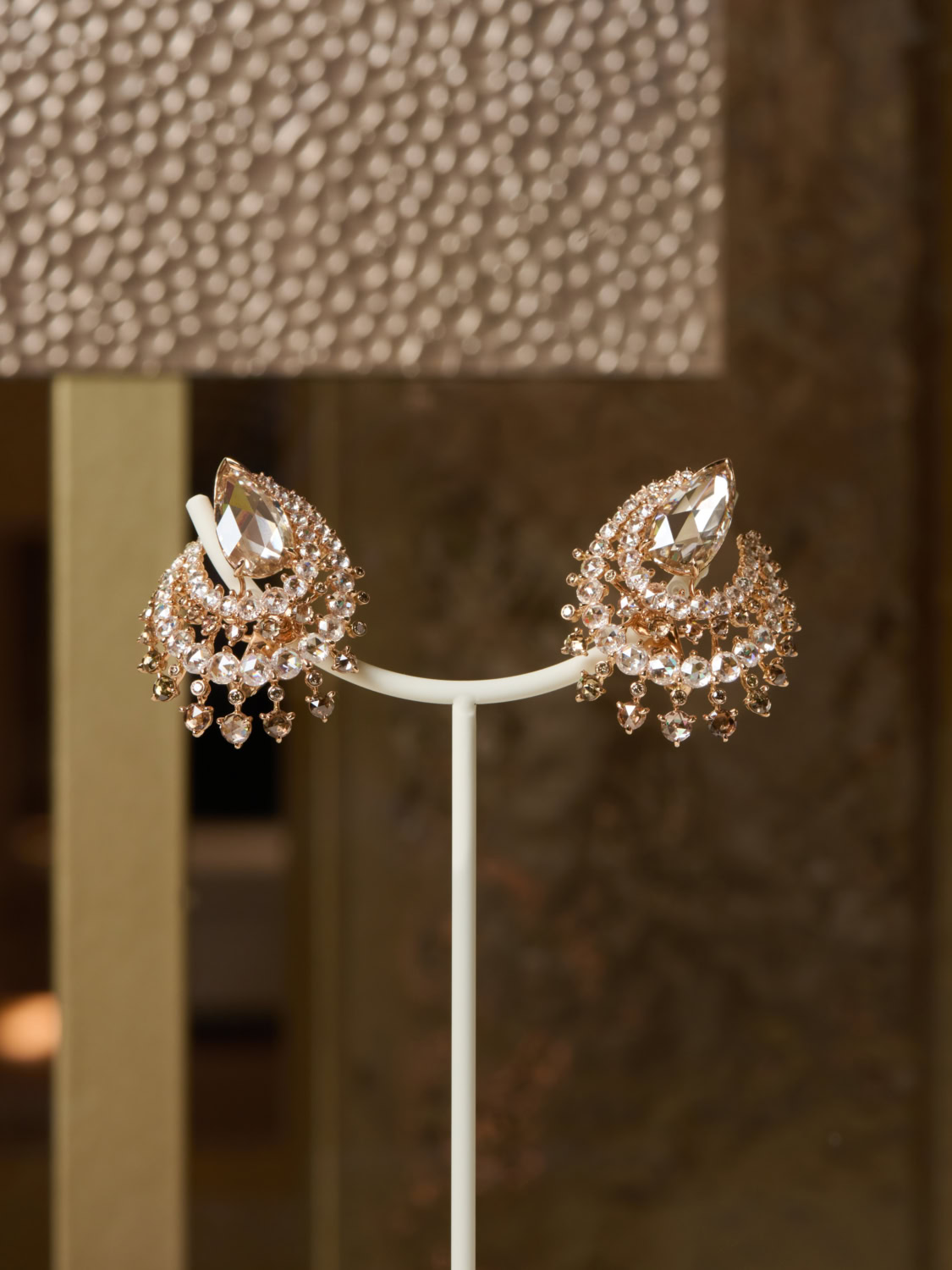
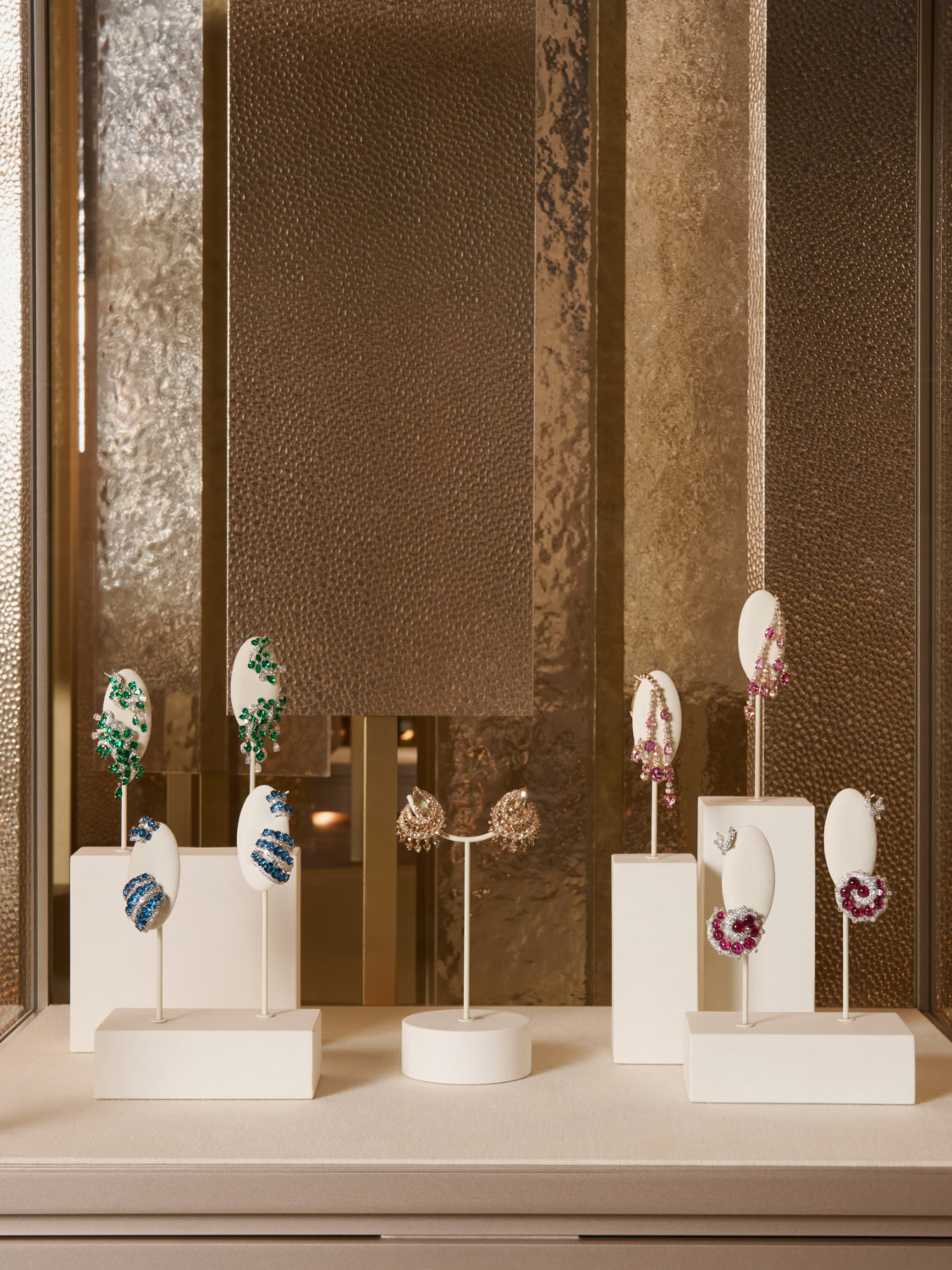
Striking stylisation is a Cartier signature and powers the house’s enduring sense of timeless modernity. You see it in the Stellara necklace, with its 41-carat Ceylon sapphire set amongst a collar of graphic diamond rays, or in the playful and innovative approach to ear adornments. The Patellia earrings feature two large pear-shaped brown diamonds, set upside-down on the lobe, or the convention-defying Ojai earrings where strands of pink and orange sapphires in 18 graduated hues cascade down from the top of the ear.
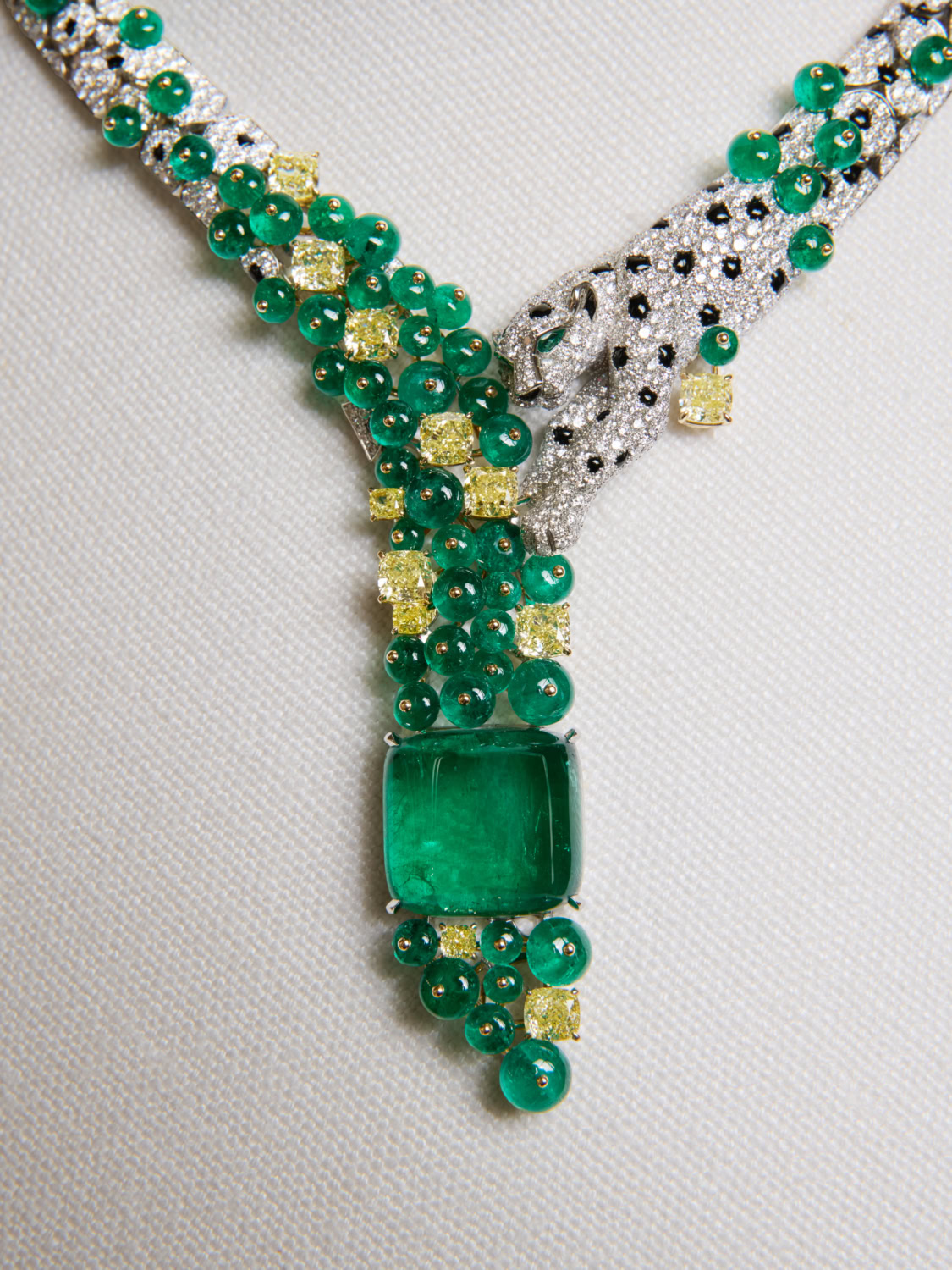
The strength of Cartier’s design language allows it to constantly evolve its signatures, without losing its distinctive identity. The star of the collection is the spectacular Tutti Chaya necklace, built on an innovative geometric mesh paved with diamonds, accented with rubies, sapphires and emeralds. It’s recognisably in the tradition of Tutti Frutti, but the mesh construction brings an entirely new energy. “We don’t aim at reviving things; we are more preoccupied in the way of being ourselves in creating things. There’s always a filiation in every piece,” said Rainero of Cartier’s approach to innovation. “We don’t aim to copy what we did. With the Tutti Frutti necklaces, there is a perception of familiarity, because they combine the colours of rubies, emeralds and sapphires, that Cartier is known for, “But in their shape, they are totally original, they have no predecessors. This is what we aim for and we pursue: to make people feel the affiliation, feel the legacy, but at the same time to propose something very different and very new.”