TEN QUESTIONS WITH PARISSA TOSIF
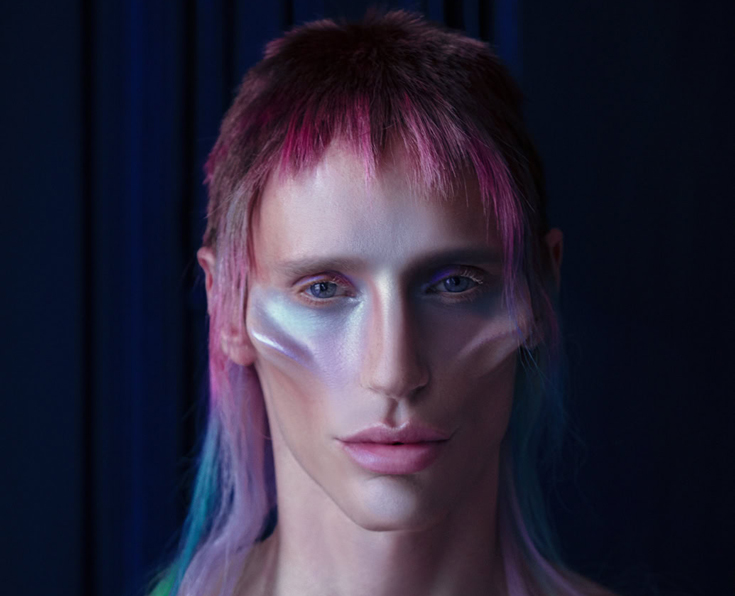
Iranian-Australian singer, songwriter, and producer Parissa Tosif today releases her debut solo album - a profound, deeply moving and emotionally powerful body of work. Titled I have this memory of you, the album is a compelling exploration of Tosif's identity and lineage, with cleverly written, beautiful melodies and rich production. “I think heritage is emotional for everyone,” Tosif says. “This album is me opening my heart - my discovery, my gratitude, my longing, my love for my family and my history - and hoping that people find something in it that makes them feel more connected to their own." We spoke to the artist (who is one half of electronic music duo Vallis Alps) about creating such a vulnerable project and releasing it into the world:
You’ve created such an incredible body of work that is so clever and full of so much knowledge and emotion. When you began to work on the album, did you have an intention going into it?
Thank you so much. It feels like a real privilege to share this with the world, as being a second generation Iranian woman, I am the first woman in my lineage to be blessed with a public voice. I think intention can be conscious or subconscious. For me, it began subconsciously with a craving to understand my ancestry on a deeper level. I held onto what was accessible for me to do so, which was exploring Persian music for the first time and beginning to speak to family and friends about their experiences of Iran, leaving or escaping Iran, and building new lives as migrants and refugees overseas. The subconscious became conscious when I realized my only way to process all of my new learning was to make songs, which is how I digest my reality. I decided to create a piece of work to share my discovery journey with the world, and that is how I have this memory of you began.
Was there something you clearly wanted to unearth about yourself through this process?
I think maternal lineage is really emotional for many people because we see how it shapes our thoughts, actions, mannerisms and behavior. I really wanted to delve deeper into this bloodline for myself, to have it guide me further, and for my daughter. My mother is a huge inspiration to me. She left Iran really young after losing her parents and built a life in the United States, then Australia on her own and with my dad. I really wanted to unearth more wisdom from the other women in my ancestry. My grandmothers and aunts. In them I found the same creativity, resilience and wisdom that I see in my mother and tried to reflect on it and capture it to feed my own experience.
You worked with producers like Andrew Grant and Annika. On such a personal album, how did you know who was right to let into your sonic world for this project? What did they bring to the record? How did they encourage you?
When I collaborate, I use a gut feeling approach to whether something feels right. Andrew understood the vision from the first day we began writing, and he didn't have to say much. He just set up the right instruments, nodded at the right moments when I shared my thoughts, and commented on the important things. He also grew a fascination for Persian traditional music as I did and began to weave this fascination into the production. He has been a cheerleader for my confidence and an incredibly thoughtful collaborator throughout. The whole time we worked together I felt like it was 'right' and that I was being my truest, most authentic self. He is truly one of the most hardworking and talented people I've ever met. Working with Annika felt like pure joy. She has an incredible way of listening to my thoughts and then converting that into musical inspiration. She held my ideas with so much patience and care, and then weaved in her signature unique production with those ideas to create mysterious, the upcoming single from the album
What did you learn about yourself and your identity through the making of this album?
I learnt that the process had to be a hundred percent truthful to who I was in order for it to work. For example, when I began, I went really deep into Persian traditional music to see if I could make music that was based on traditional music. I had lessons for awas (Persian chanting) from the iconic Mojgan Shajarian. I tried to learn to speak Farsi better with lessons and also tried to learn more about the Persian musical system and scales. I slowly realized that to integrate the highest quality of Persian music and sounds into the project would have meant a lifelong learning of these topics, and so it occurred to me that I just had to make it sound like me, which meant a mix of predominantly my Western musical style mixed with elements of Farsi singing at my own level. It didn't matter in the end if it was perfect. It was more important that it reflected my own journey. I had similar experiences with all aspects of the album, like crafting the stories that made the lyrics or playing the piano. It's just me and where I am at on my life's journey.
Why was now the right time to create a Parissa Tosif album as opposed to another Vallis Alps output?
This project felt so necessary for my personal growth. Without it, I think my desire to know my cultural heritage would have kept bothering me until I did something about it. I think that was a really individual journey I had to take, and although I'm sure Vallis Alps would have met some of that longing I was feeling (especially given that David, the other half of Vallis Alps, is half Persian and shares many parallels with my experience), I had to do it alone.
Your Iranian heritage is a big part of your music and your story. Obviously it’s an incredibly hard time for the people of Iran. How do you navigate a time like this, especially through your art and your platform?
The only thing I know how to do from so far away is to make art that hopefully connects and heals, and to support in any other way I can, like sharing stories and the reality with others. I have family there, and friends have family. I feel really sad, scared, and also really proud of the Iranian youth and people who are demanding a better life.
Which Iranian artists have inspired you?
Makan Ashgvari - uses really cool field recordings to make music that really moves me. 1970s Iranian artists influenced by western sounds like Kourosh Yaghmaei. I love Marjan Farsad and artists like sarvi dousti and Chaii.
Your melodies and storytelling abilities are compared to artists like Rosalia and Lana. Which artists have been north stars for you in terms of your songwriting?
I listened to Joni Mitchell a lot growing up and have always been moved by her intricate melodies and storytelling. I find her melodies to be like following an artist's brush on a canvas. You don't know where it'll land and how it'll come together, but the journey is super interesting. I was blown away by Mustafa's album When Smoke Rises. I'm really moved by poetic lyrics and of course his ethnicity and cultural background making their way into his music. I also love the way artists like Nilüfer Yanya, Leyya and Abouloufa record and present their vocals. My goal was for the songs to feel like tapestries of vocals, moments of Persian singing, electronic and pop production, and of course the Persian instruments live recorded. I wanted to make something completely new and unique like the artists I referenced.
Is there a song you are particularly proud of crafting on the album?
When I wrote and recorded For Yara (يارا), I was holding back tears because it felt at that moment like I had completed the task I set out to do and had created something I could pass down to my daughter Yara. The song was the last one we made and it became a lullaby improvised over the flute recorded by my friend Misagh. The lyrics, "Be free in love, in life, it's all that's on my mind / It's you, it's you my child / Be free in love, in life," are what I wish for her after I've reflected on the many forms of freedom people can hold: freedom of the mind, of choice, physical and emotional freedom to be themselves.
What do you hope your listeners take from the album?
I want the album to create humanity and empathy towards Iranian people and refugees and migrants from the Iranian diaspora, a population oftentimes synonymous with hardship and struggle. However, Iranian people are fun, loving, emotional, hospitable, kind, multifaceted, and living ordinary lives under extraordinary circumstances. I hope people can listen to the stories in these songs and find themselves there and so relate to them. I also want this project to bring light and healing. I think sharing our stories is the best way for intergenerational healing and openness. I want this to encourage others to do the same and feel ready to delve into their history.
What’s next?
I’m currently sitting in the joy of releasing something I have worked really, really hard on and enjoying the response of love and appreciation from people for the project. For now I'm going to continue to enjoy this, but I think I’d love to delve deeper into Persian music and write more inspired by motherhood.