NINAJIRACHI: ELECTRIC FEEL
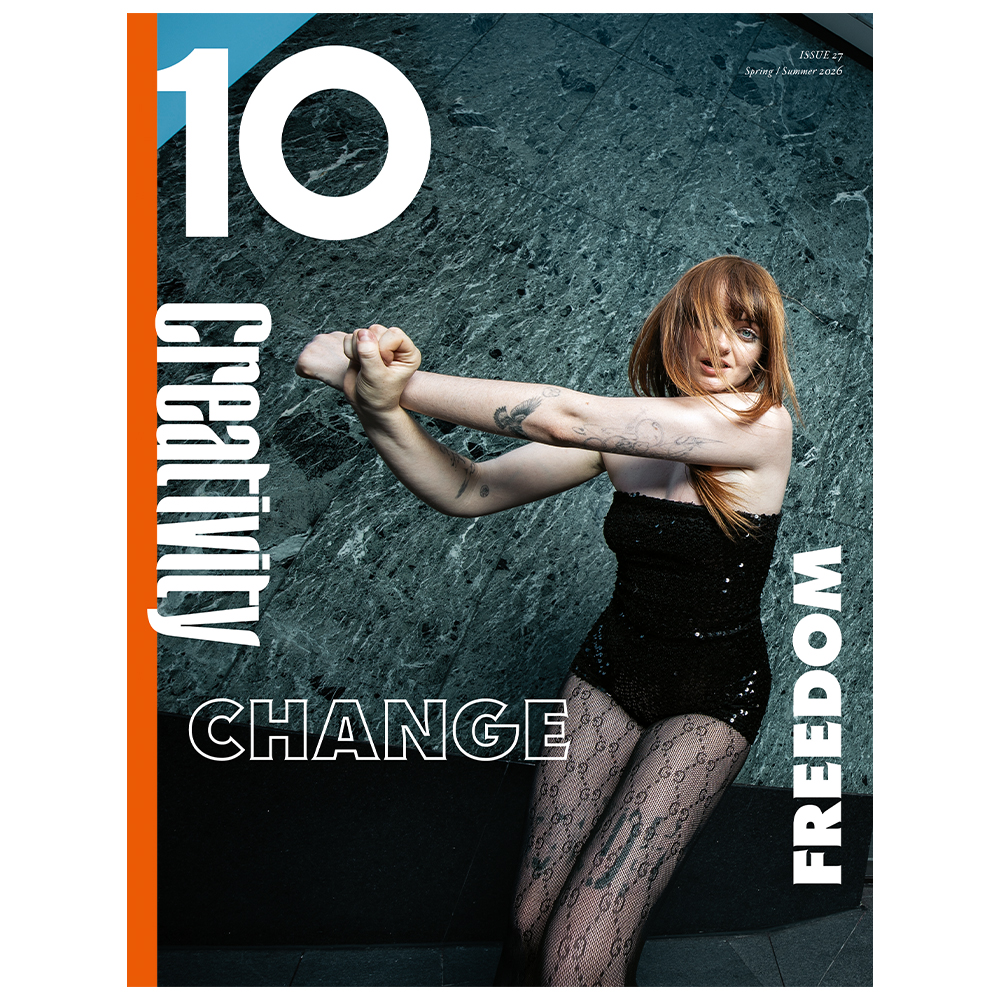
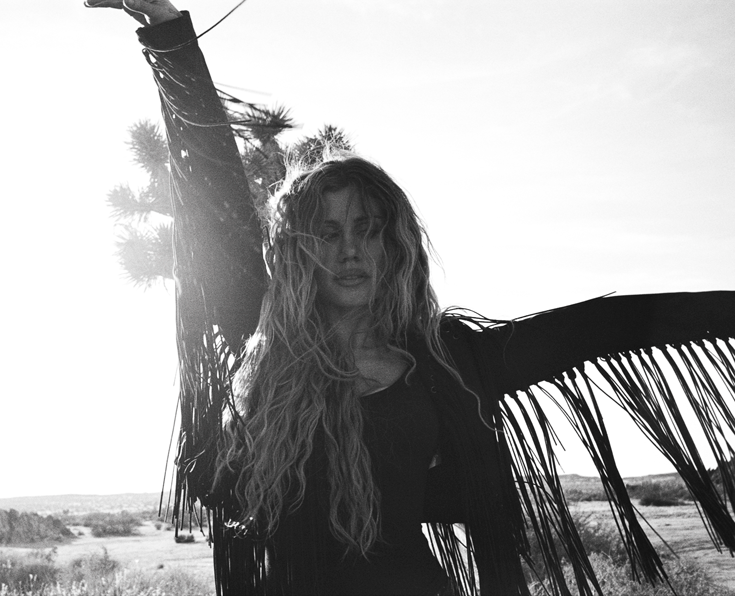
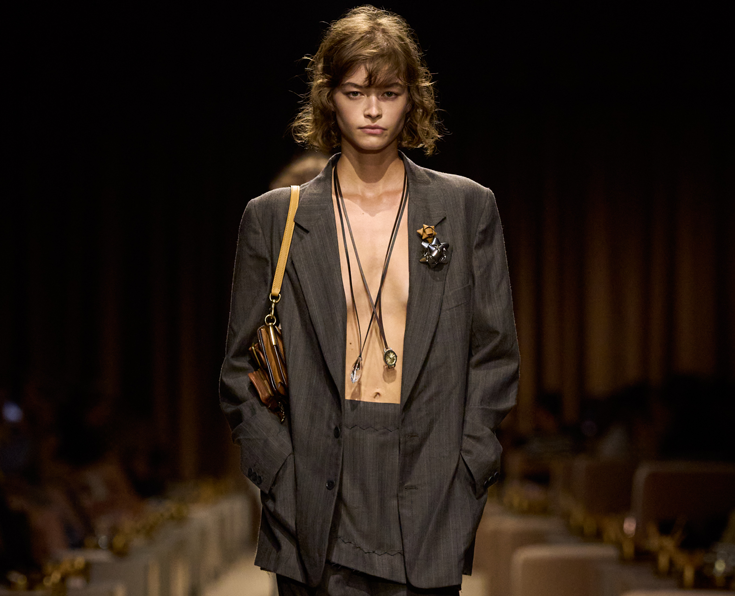
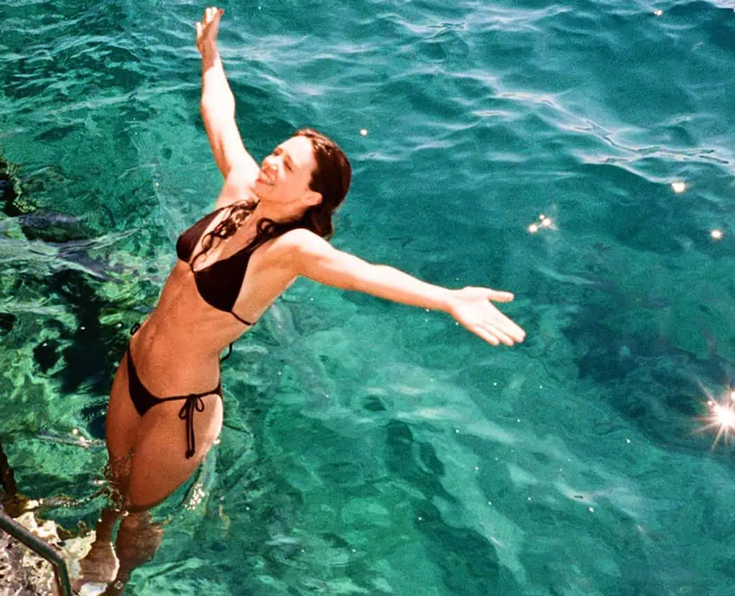
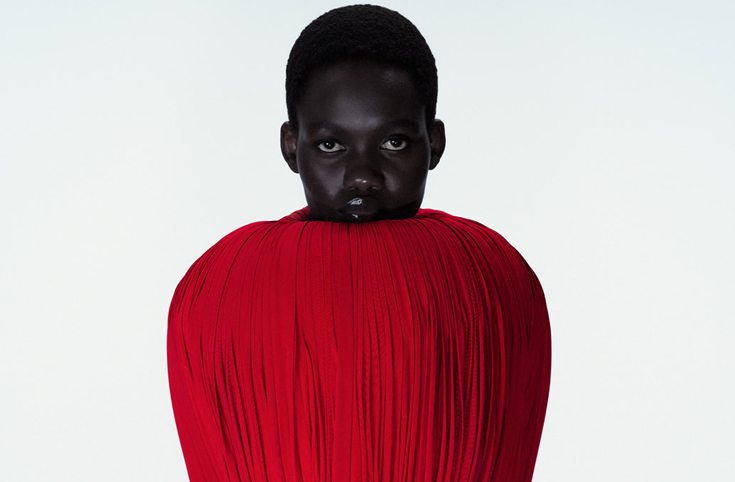
Ninajirachi covers the new issue of 10 Magazine Australia: CREATIVITY, FREEDOM, CHANGE - wearing Gucci, on newsstands Friday March 20. Read the full story below:
NINAJIRACHI: ELECTRIC FEEL
“Umm, do you wanna… listen to it?” Ninajirachi tentatively asks at the start of her explosive debut album I Love My Computer. In the six months since its release, the record has been widely listened to and critically acclaimed, appearing on high-profile album-of-the-year lists and catapulting the electronic producer, DJ, songwriter and singer Nina Wilson into global stardom. Ahead of her first Coachella performance and a support slot for Tame Impala’s Australian tour, we spoke to Wilson about becoming Ninajirachi.
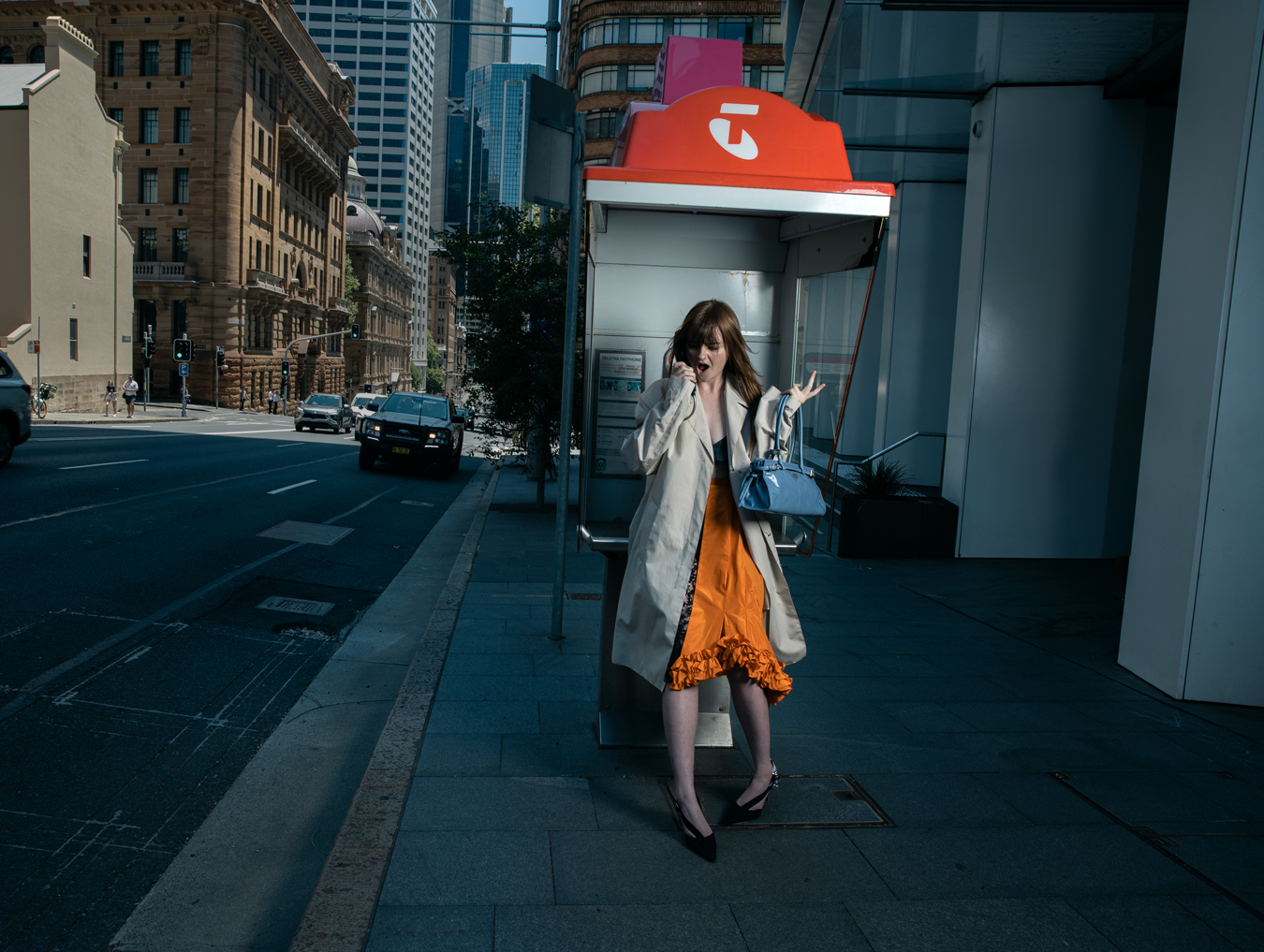
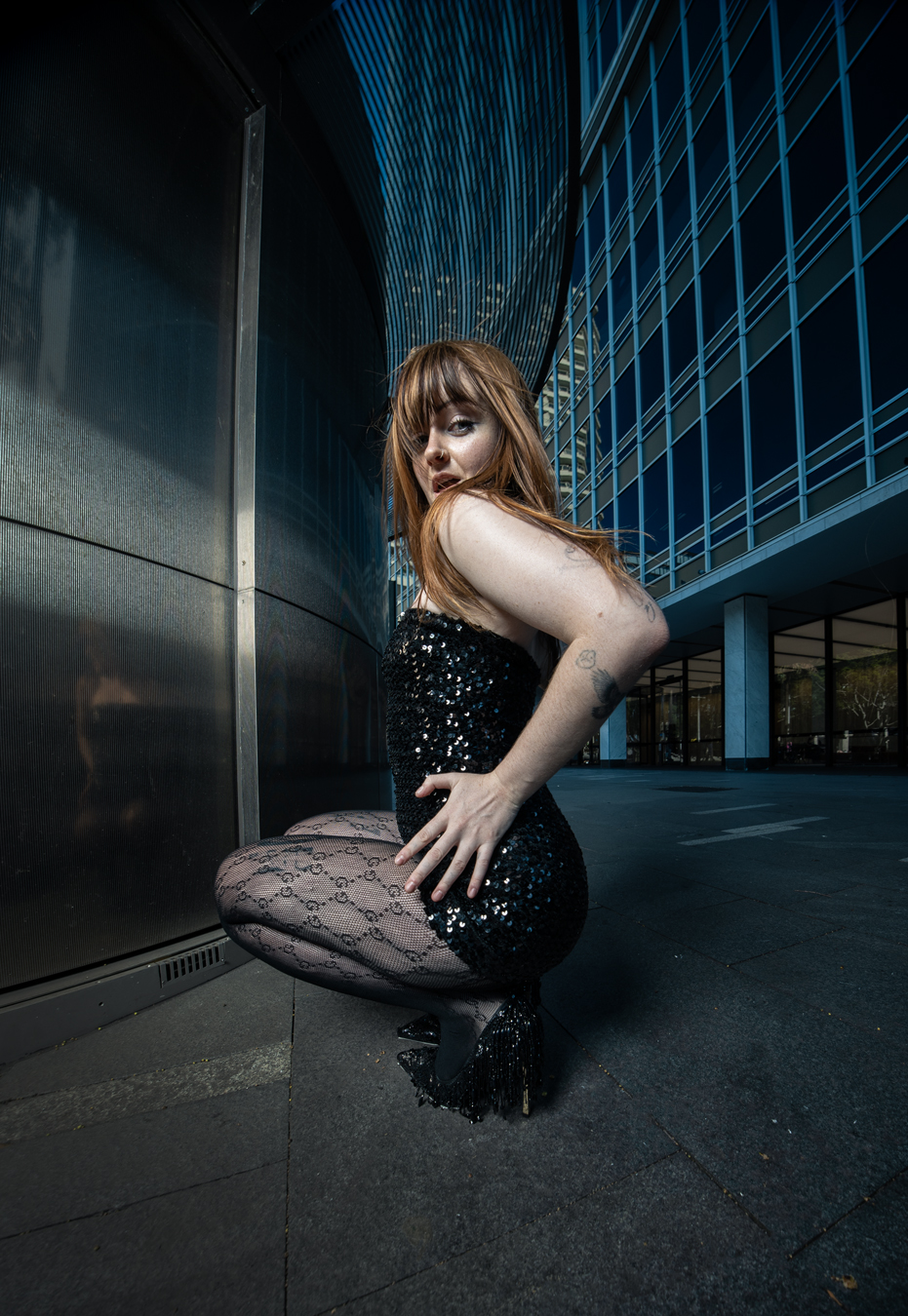
“Pop music was my introduction to everything,” Wilson says from the set of her 10 cover story in the heart of Sydney’s CBD. “I remember reading lyric booklets and that’s how I began to understand the structure of pop music.” Wilson was eight years old, growing up on the Central Coast and listening to Avril Lavigne, The Veronicas and Lady Gaga, when she discovered the free Apple software GarageBand. “I was obsessed with music. I had been doing piano lessons so I was learning about music, but I didn’t know about music arrangement until GarageBand. I’m so glad I was young enough that my brain was malleable and able to soak up so much when I first saw tracks, a timeline and effects.”
The commercial EDM boom of the 2010s, featuring artists like Avicii, Calvin Harris and Skrillex, were the sounds of Wilson’s formative tween years and sparked her curiosity. “I guess to older generations that [genre] was a new thing, but for me as a kid, I didn’t have the context of any other music.” At home, Wilson’s parents would be playing Daft Punk and The Prodigy, while she began to immerse herself in the making of complex rhythms and dubstep. “That was the first time I wanted to learn how to do it myself and understand how those sounds were made… it was so detailed and thrilling and beyond my comprehension,” she says. Wilson credits YouTube for how she learnt the art of music production and sound design. “It’s like driving a car. Having the context of GarageBand from earlier years made learning more complex software as a teenager so much easier.”
Wilson began releasing viral music in 2017 under the name Ninajirachi – a playful mashup of her first name and the mythical Pokémon character Jirachi, which she had used as her Instagram handle since age 15. Her obsession with technology, her computer and video games began to shape the world of Ninajirachi. “I can’t not love my computer. It’s allowed me to do all this cool stuff. I feel like I live a privileged life. I don’t come from a family in music or in entertainment, or from a lot of money, yet I get to be a professional musician and travel the world.
I can only do that because I was born in this time where you can get a laptop, some software and learn anything.” She swiftly moved up the software ranks, from GarageBand to FL Studio (as she sings on her hit single iPod Touch) to Ableton. Ideas for her debut album began to form after she received a mailing list email from Lorde on the 10th anniversary of the singer’s debut album, Pure Heroine. Lorde had written “about how everyone is sitting on a goldmine that no one can rob,” says Wilson. “When I was thinking about trying to make music that was interesting to me, it felt like the only way I could make something that would surprise myself was to create music about myself, because only I’ve lived my life.”
In a world where everyone is vying for less screen time, Wilson has fully leaned in to her love of technology. She expertly balances her dynamic, skilful production with raw lyrics steeped in nostalgia. On iPod Touch she reminisces on life at age 12: “It sounds like dyed, frayed, high-waist, bought at Supré… It sounds like iPod Touch, little crack in the screen / FL Studio so late, I fell asleep on the keys”. The emotionally resonant lyrics have hit home, especially for a generation of Australians who lived a relatable life 15 years ago. “All of these people keep commenting on the song saying, ‘Oh my God, I’ve been through this’, which is so funny because I was not thinking about anyone else when I made the music. I made an album with music that sounds like what I was into when I was 12. It just felt natural to write about those things.” Her honesty and vulnerability translated to the album artwork: she’s lying in her own merchandise, among a messy, tech-filled bedroom, and yes, it’s her real bedroom. “My first inkling for the cover, before I even knew what I wanted it to look or how the album would sound, was the messy bedroom idea. That’s where I make the music… It was a gut feeling.”
That feeling turned out to be correct. Since its release, I Love My Computer has been praised by Addison Rae, Grimes and Kevin Parker, got the full five stars in The Guardian, debuted at #1 on the ARIA Dance Albums Chart and won three ARIA awards. Propelled by her fast-growing online community, it’s become an important cultural moment. With its relentless energy and early 2000s EDM sensibilities, the album has a sensational rush to it, crafted expertly with great grooves and clever transitions. The record presents as a tribute to internet culture and the music that shaped Wilson. She reaches euphoric highs on All I Am, plays with pixelated breakbeats on CSIRAC, creates an ecstatic feeling of desperation on Battery Death, reckons with the honesty of flirting online on Delete and writes a glitched-out hectic love letter to her computer on Fuck My Computer.
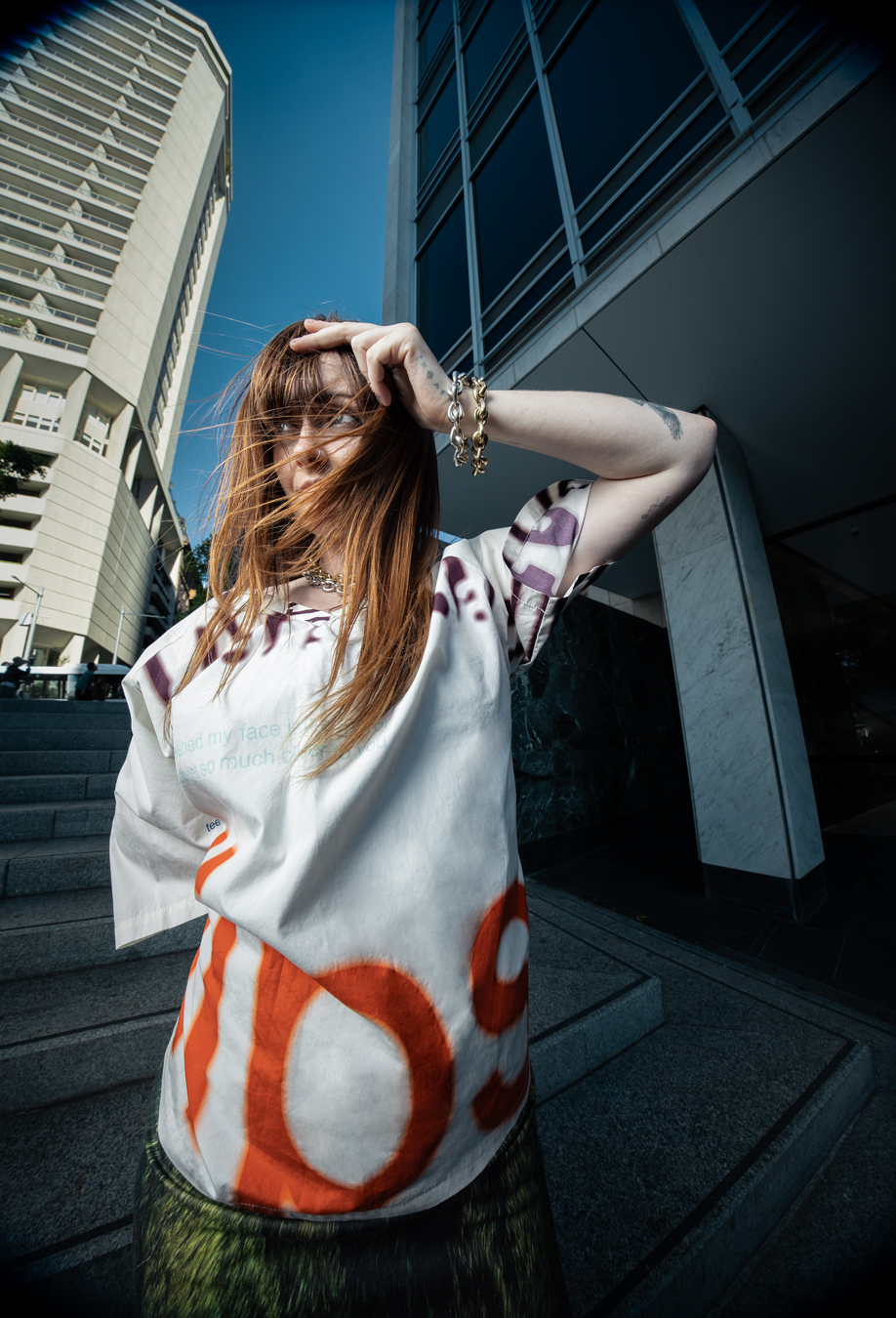
Perhaps the album’s standout moment is Sing Good, where Wilson is at her most vulnerable. Reminiscing on catching the bus to school and beginning to make music, she sings, “Coz I can’t really sing good / But I’m still gonna try it / Coz I like making music / And someone’s gotta write it”. The confessional is the heartbeat of the album, echoed in the lyric: “If something really feels good, why then would I fight it?” While Wilson is only just starting to accept the label of a singer, songwriting has always been as important to her as the production. “I’ve always felt like being a songwriter, or a writer, or just someone who is interested in language is something I was born with… For anyone reading this, that’s not to say you can’t decide at 70 years old that you want to become a songwriter, but for me, it came to me from an early age. I remember thinking of melodies before I was fully sentient. I’ve just never thought of myself as a singer.” Wilson agrees that she now has to, considering her voice is all over her music, which was an intentional choice. “I wanted it that way, in the hopes that I can get even better at singing.”
While she produced more than half of the album, she found a creative community in her friends, including Australian producer Darcy Baylis, Ginger Scott of electronic duo Mgna Crrrta, producer Kenta Hoskin, songwriter Ben Lee and more. “I always wanted my debut album to be as much of me on my own as possible. I make my best music that way. But the songs I made with my friends on the album could not have existed without them. It was always natural… friends having a jam. We all just make music and see where it fits later.” As a result of touring alongside fellow Australian musician Mallrat, and working as a producer with the rising electronic pop duo 2charm, Ninajirachi has become a pioneer of the EDM scene that is bubbling away in Australia. “The key is to just support each other. I’m lucky with all these people that we’ve all grown up around. There’s an abundance mindset among us. If our friends are up, then we’re up. It feels like a hack. You know what I mean? I feel like we’ve hacked life.”
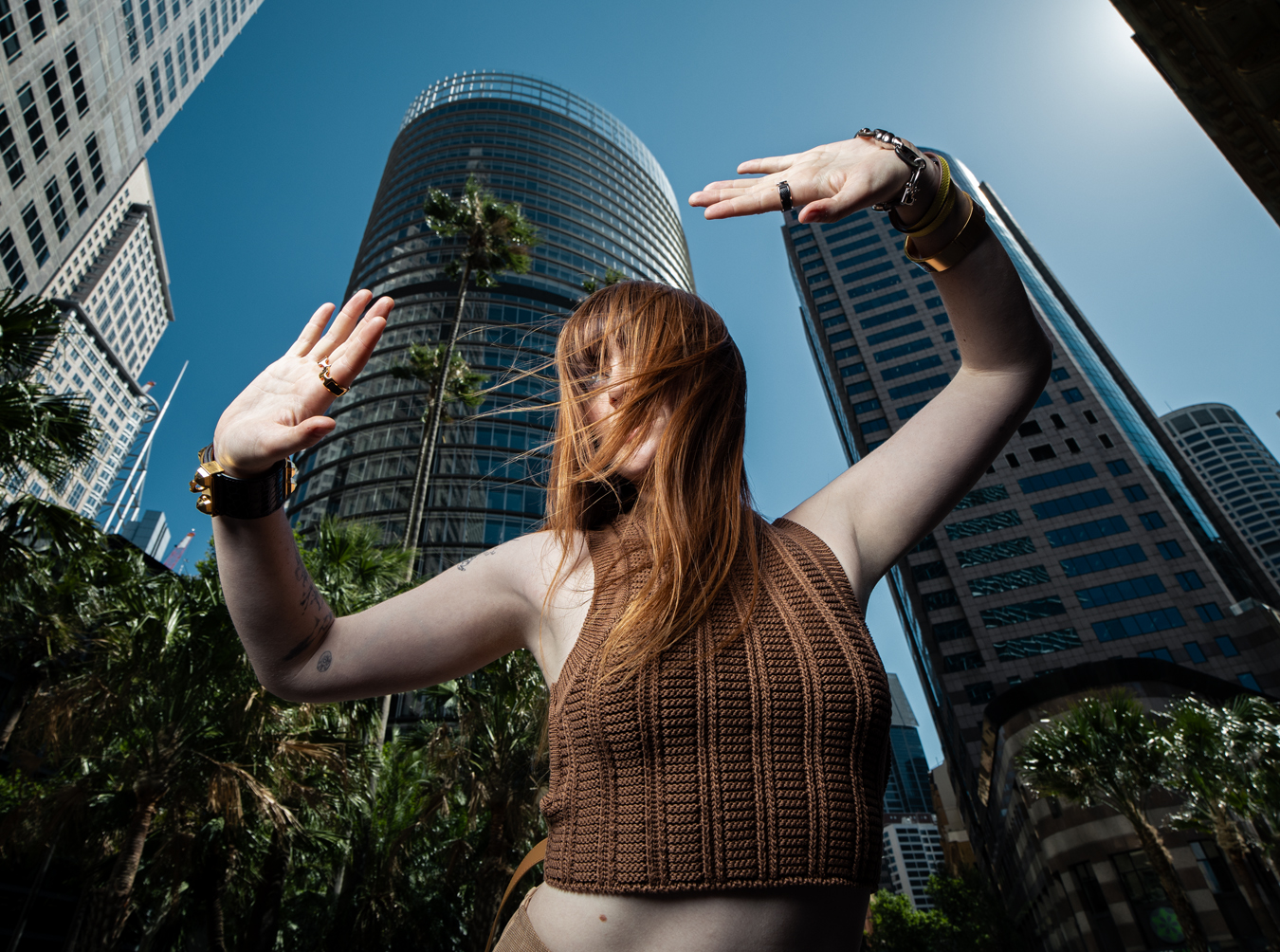
Wilson recalls when people began to ask her about the challenges of being a woman in electronic music production. “I didn’t understand why it was important or a big deal because I just didn’t ever think like that,” she says. “I learned everything in isolation, on my own, so by the time I started working overseas with people who underestimated me at face value, I was confident and skilled enough to prove them wrong without being totally put off.” Her advice to young women who are also venturing into the world of production is to be prepared. “The best thing you can do for yourself is to teach yourself as much as you can, so that when you go into the world, you know your shit. YouTube is your best friend. And a computer.”
As she heads out on the road after a short but sweet summer break back home, Wilson has been working on album remixes. Her next block of time to write music will be in March, between headline tours. Is she scared to follow up such a culture-shifting debut album? “Nah, I’m not scared,” she says, laughing. “I’ve made music with fear before and I can hear the hesitation in it. I made I Love My Computer with no fear. I was so excited and happy the whole time. People can hear it in the music. Energy in music affects how the person feels when they listen to it. I hope that comes across in my album. I won’t ever let myself make music from a place of fear.”
10 Magazine Issue 27 – CREATIVITY, FREEDOM, CHANGE – is out on newsstands March 20.
Photographer JAMES J. ROBINSON
Fashion Editor ABBY BENNETT
Talent NINA WILSON
Text ROXY LOLA
Hair PETE LENNON at AP REPS
Make-up PINKY at DLM using NARS
Fashion assistant KAYLYN PAULING
Digital operator BRONTE GODDEN
Motion/video SOMERSET PHAEDRUS
Production R D PRODUCTIONS