The Best Timepieces At Watches And Wonders 2026
At Watches and Wonders Geneva 2026, the conversation felt tighter and sharper than previous years. Cartier doubled down on shape, reworking icons with obsidian dials and sculptural bracelets, while Hermès stripped things back with its first skeletonised H08, all exposed mechanics and lightweight titanium. Chanel leaned into ceramic precision with a playful flair, and Audemars Piguet returned to the fair with something to prove – heritage intact, but energy recalibrated. This year, it was less about nostalgia, and more about refining identity through restraint and material innovation.
Chanel
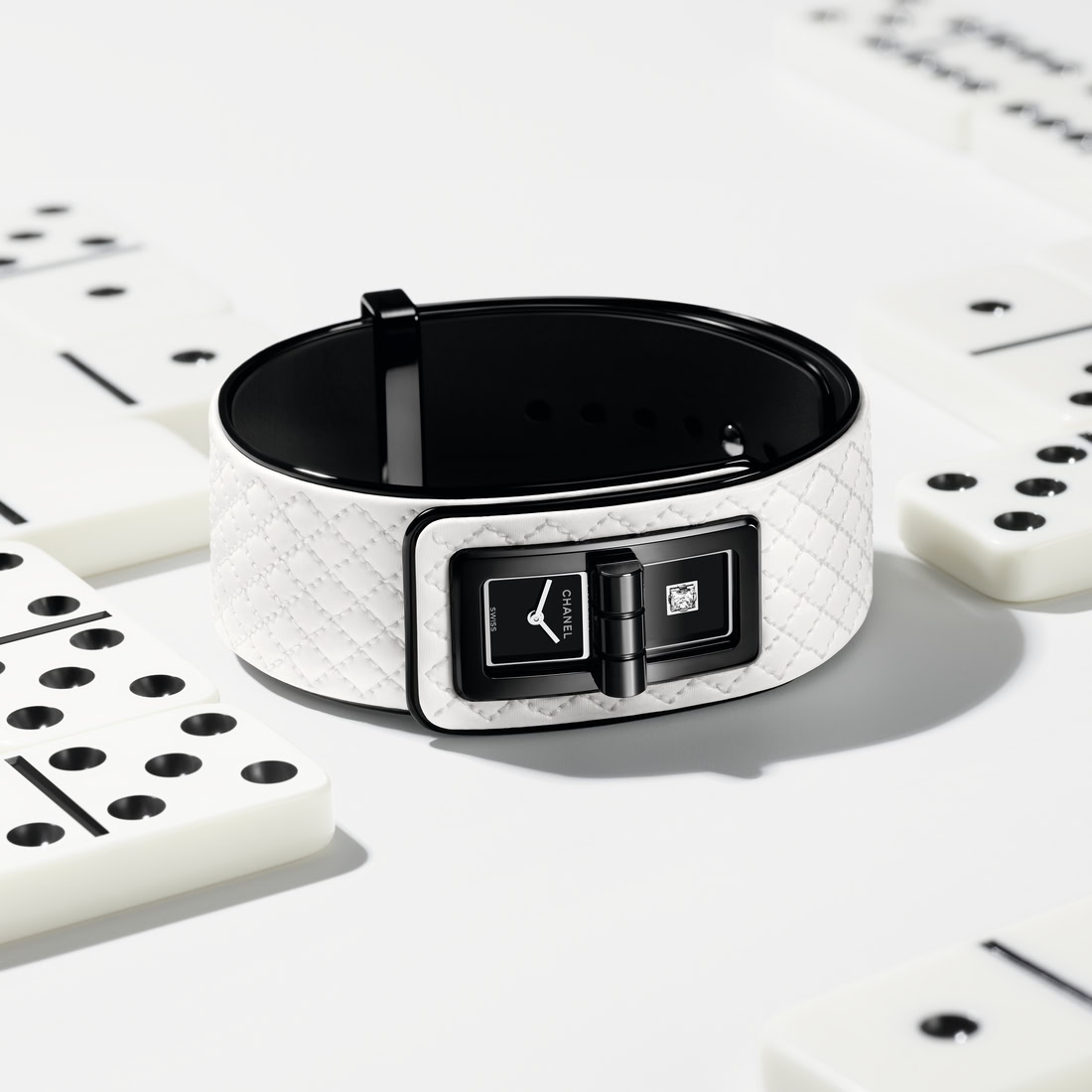
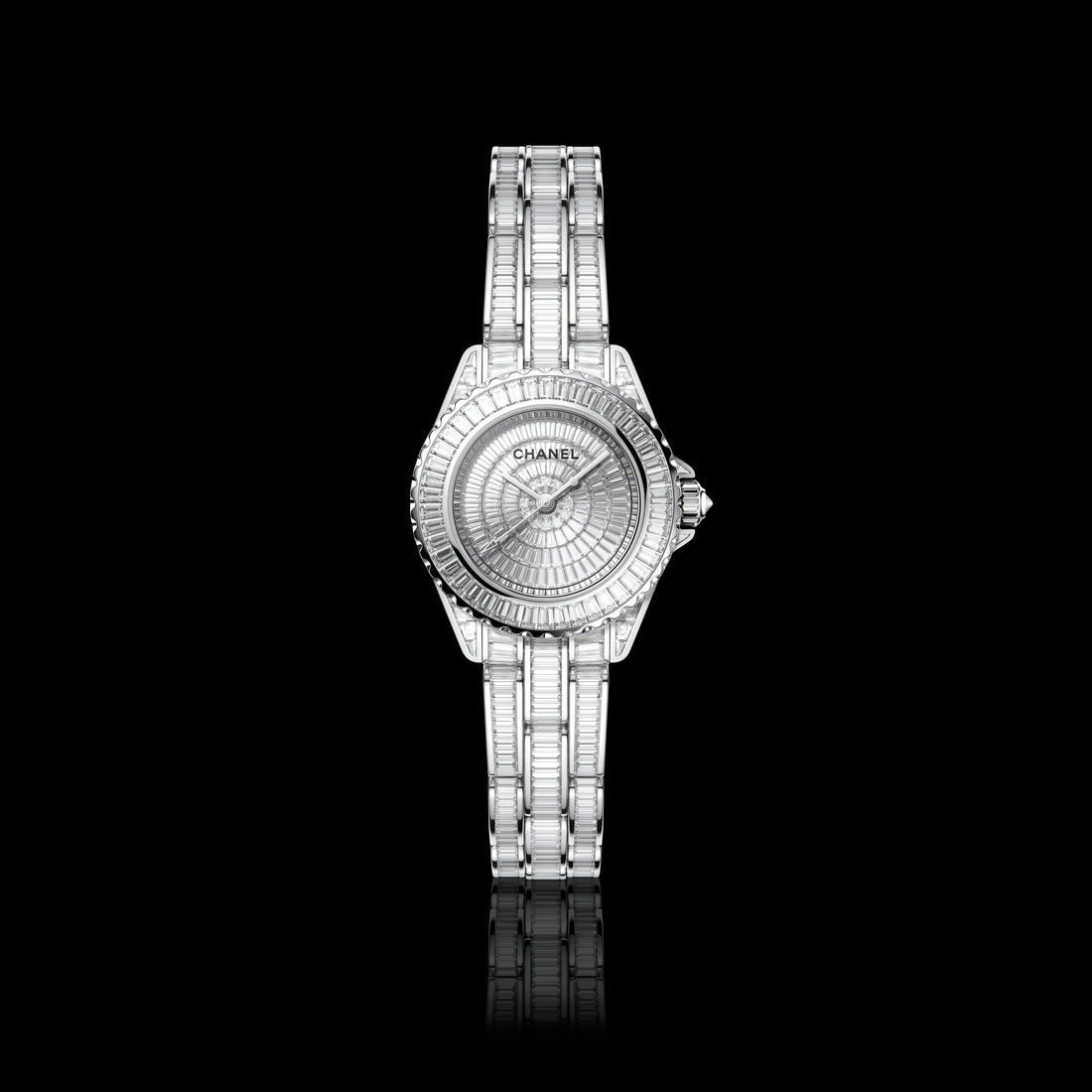
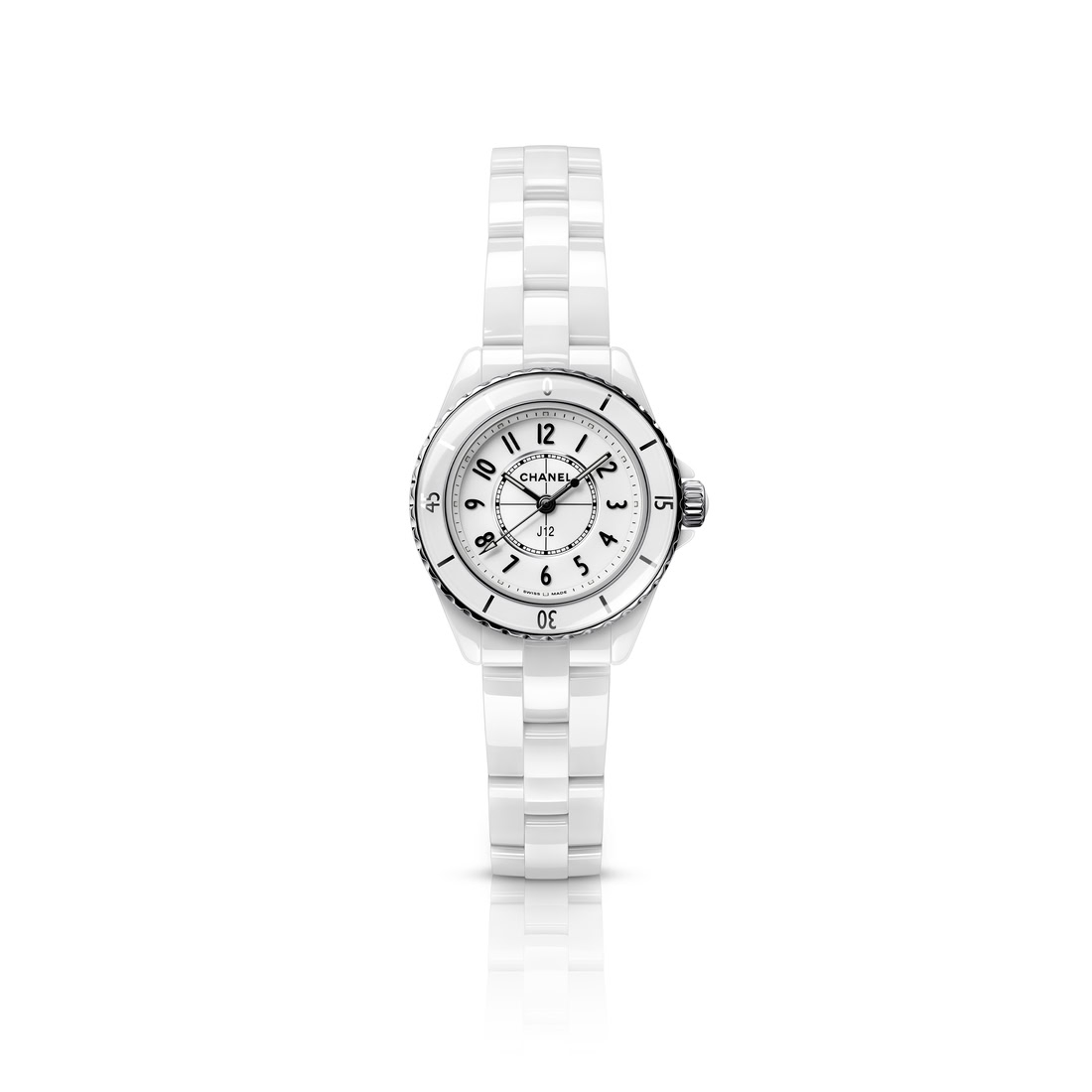
Chanel turned its Watches and Wonders 2026 booth into a conceptual game board, introducing Coco Game, a 14-piece collection blending gaming iconography with high watchmaking. Gabrielle Chanel appeared as the Queen in a chess set motif, positioned as a symbolic force guiding the collection. Under Arnaud Chastaingt, the Watchmaking Creation Studio continued pushing narrative-driven design, with development split between Paris and La Chaux-de-Fonds. Materials were central: ceramic and gem-setting moved beyond decoration into structure. The J12 Diamonds Tourbillon Caliber 5 led, limited to 12 pieces in white gold, fully set with diamonds and featuring a flying tourbillon with a rotating 65-facet diamond. At the other end, the J12 28mm Diamonds compressed similar craftsmanship into a smaller format. A new matte blue ceramic expanded the J12 palette. The collection balanced control and play, framed by “Make a move,” positioning each watch as both object and instruction.
Audemars Piguet
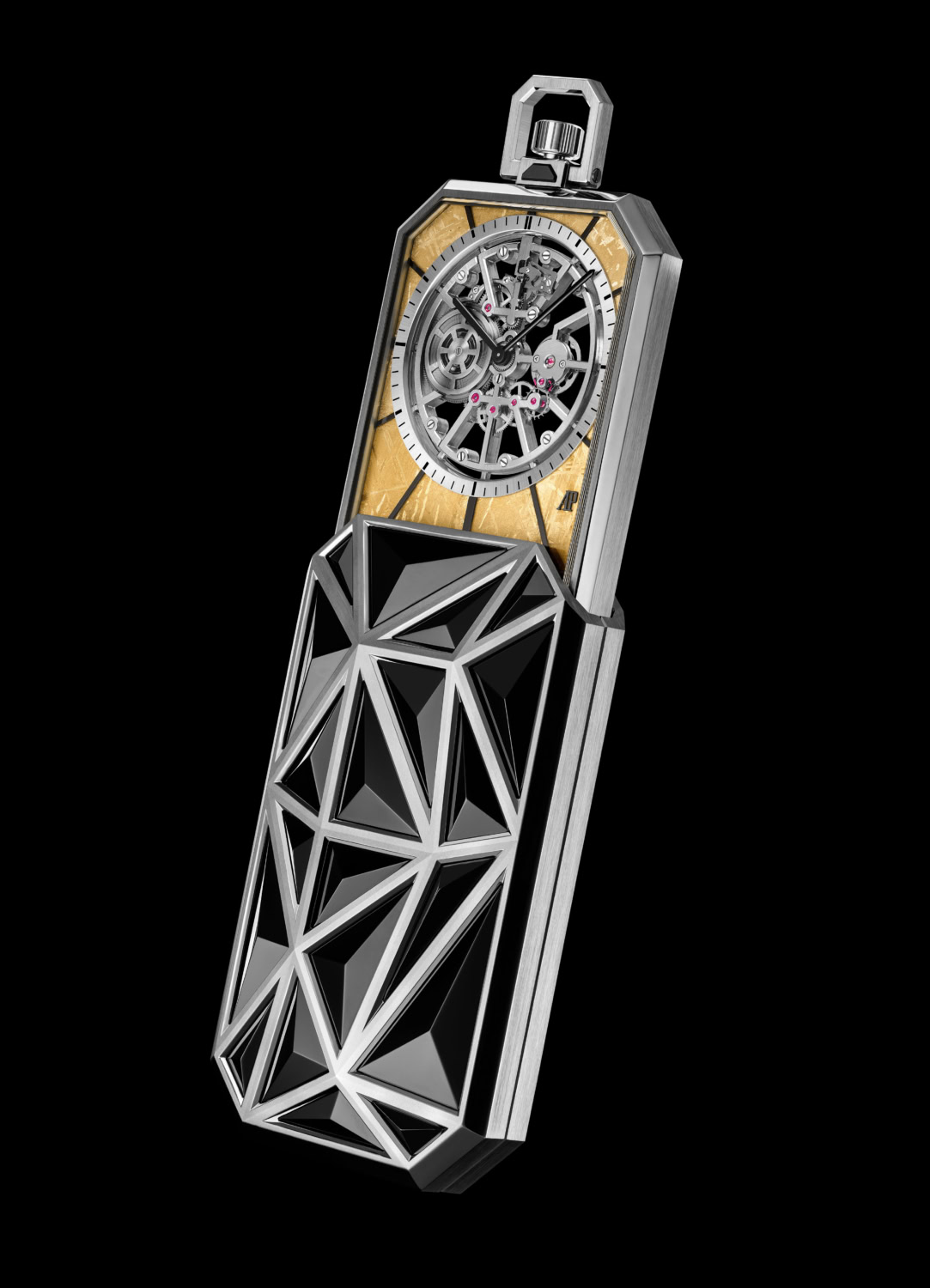
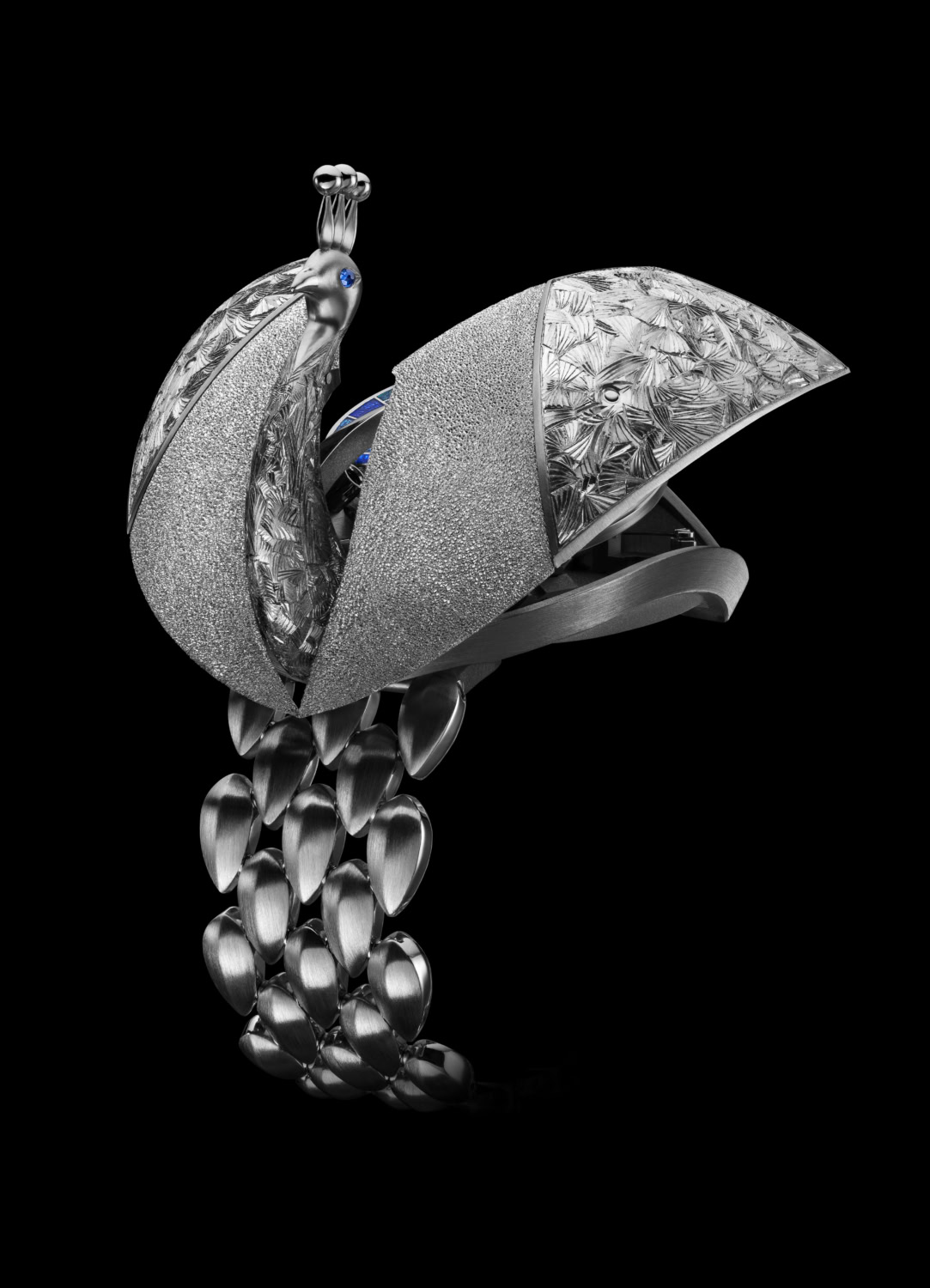
Audemars Piguet focused on process over spectacle at Watches and Wonders 2026, introducing the Atelier des Établisseurs, a collaborative project rooted in historic watchmaking methods. Inspired by the 18th-century établissage system of the Vallée de Joux, the initiative reconnected with a model where independent artisans created components later assembled into a finished watch. Based in Le Brassus, the atelier brought together engravers, enamelers, lapidaries, designers and engineers to produce highly limited pieces shaped by multiple disciplines. Three watches defined the concept: the Galets, with a 31mm gold case, stone dial and pebble-like bracelet links; the Nomade, a transformable piece functioning as table or pendulum clock with a visible skeleton movement; and the Peacock, a secret watch combining engraving, enamelling and mechanics into a theatrical, jewel-like object. Rather than redefining watchmaking, the collection reframed authorship, highlighting collaboration as the underlying mechanism.
Cartier
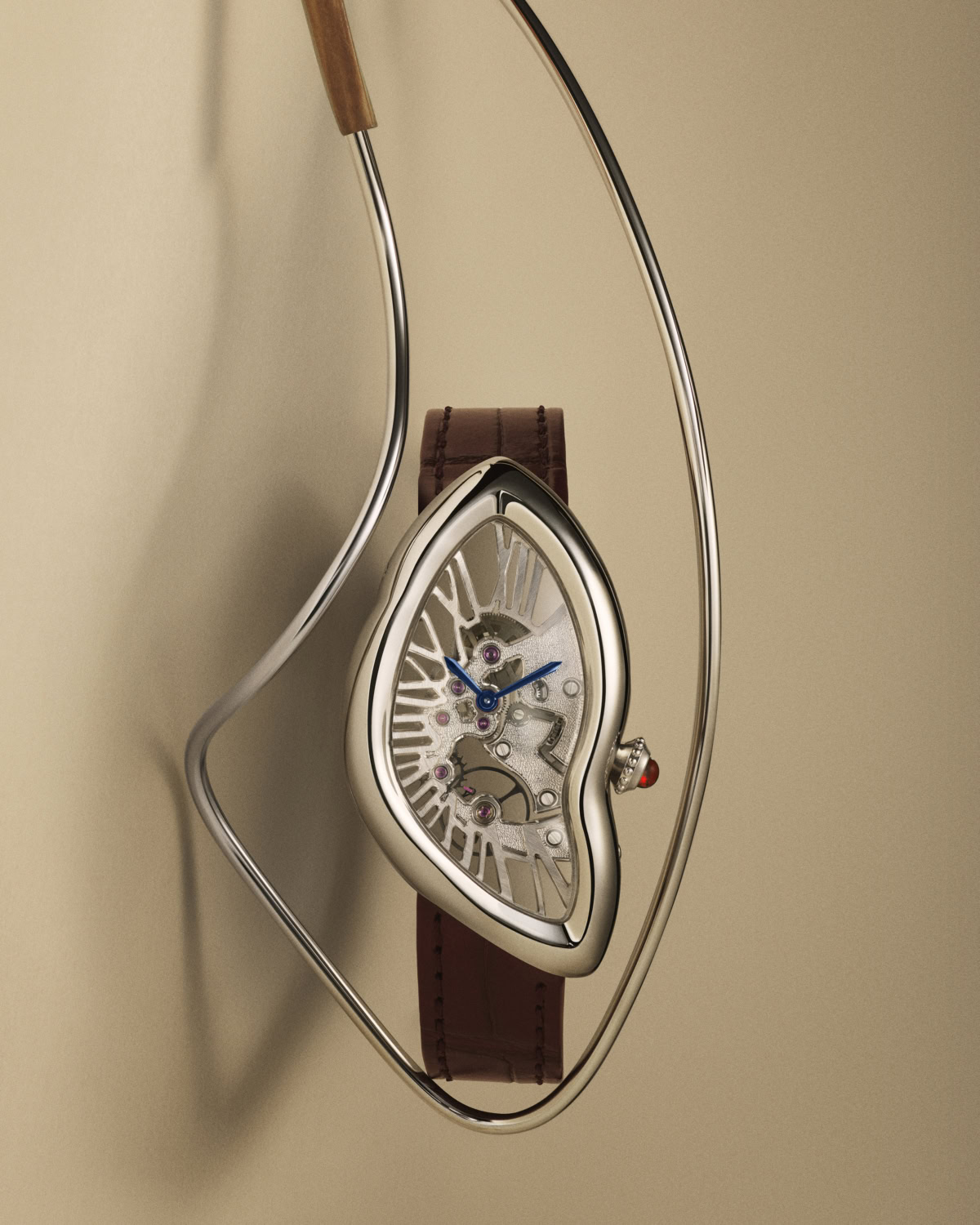
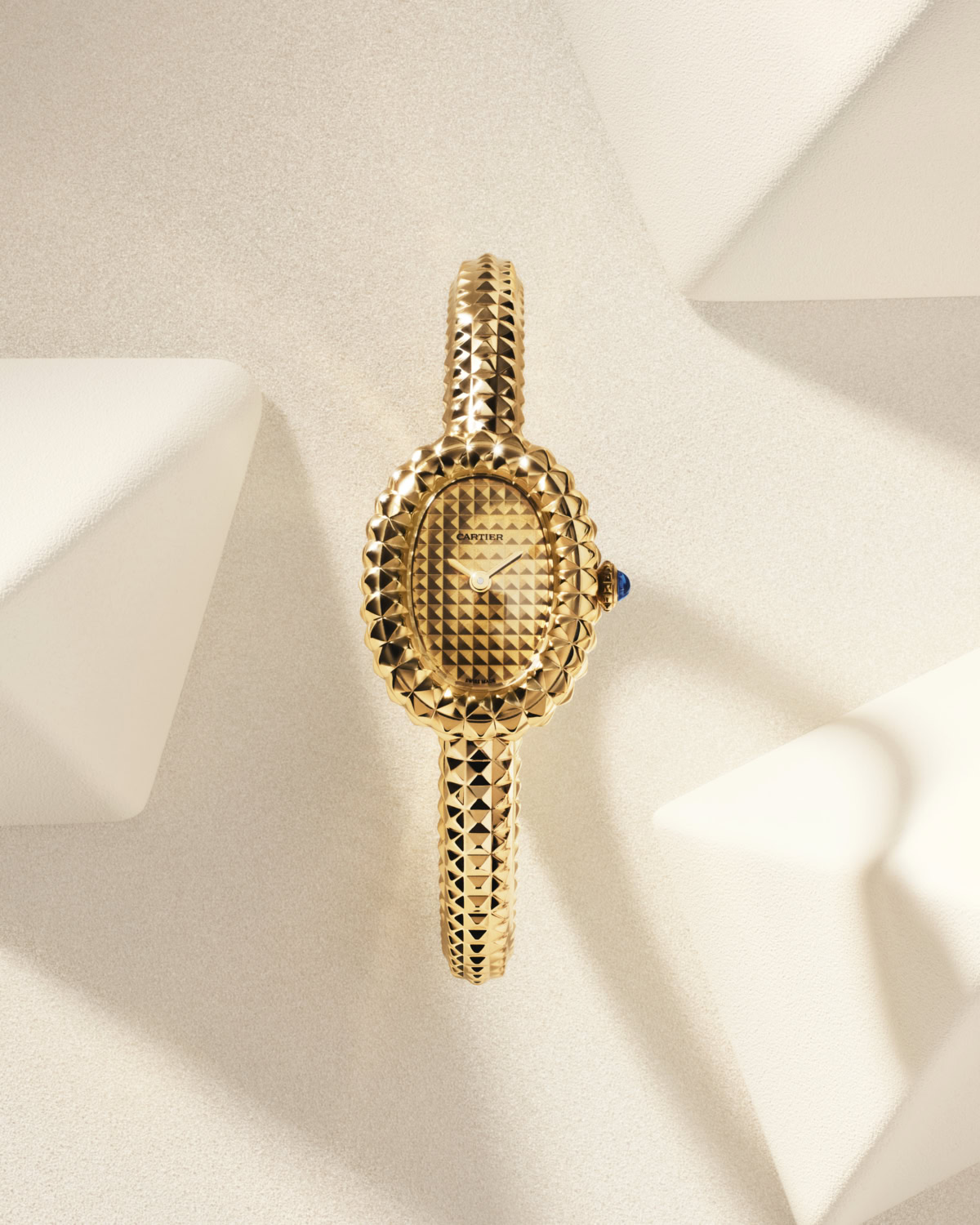
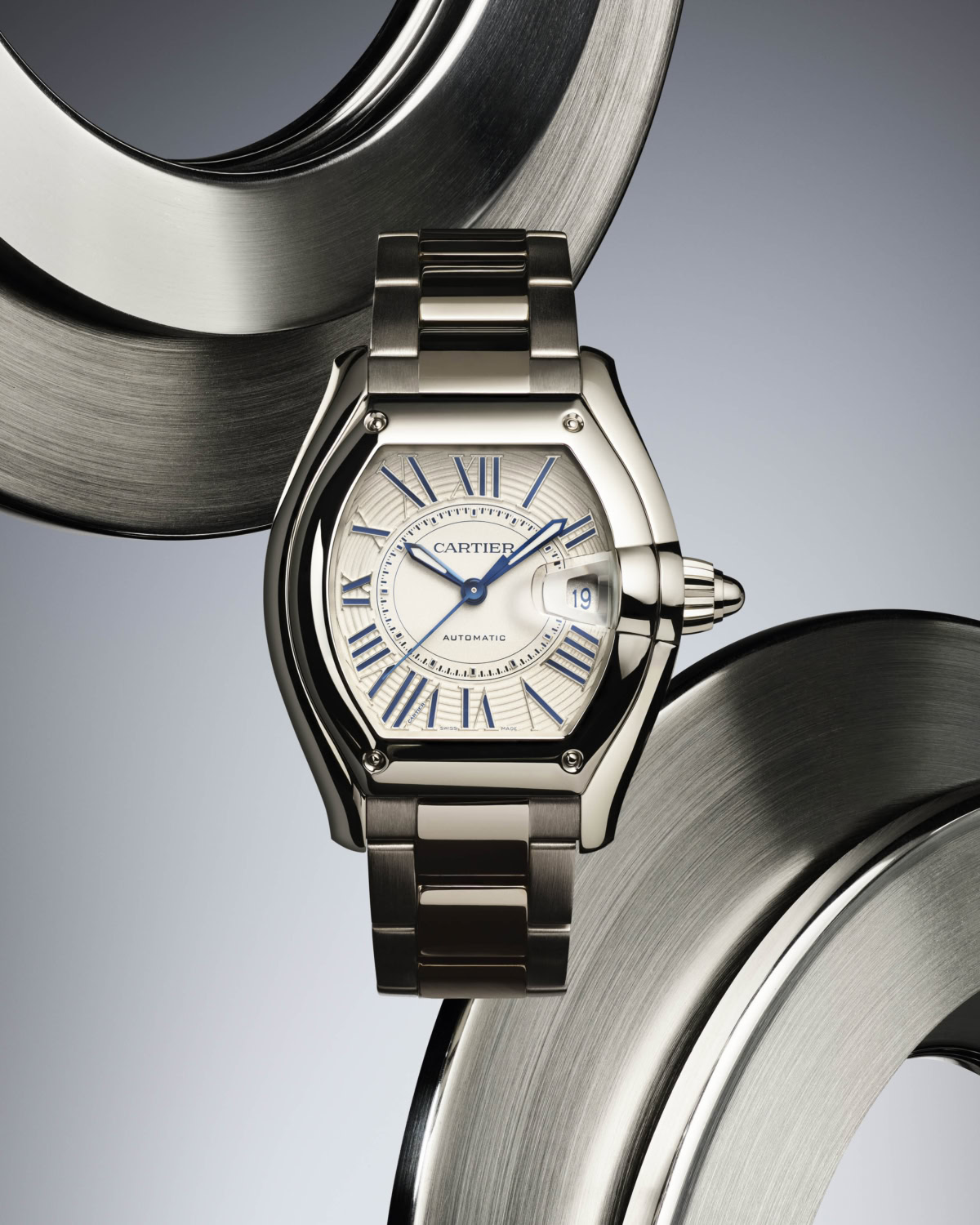
Cartier explored illusion and control at Watches and Wonders 2026, led by the Myst de Cartier, a jewellery-watch hybrid that obscured the boundary between form and function. Designed as a seamless bracelet with no visible clasp, it slipped onto the wrist as a continuous object. Bead-set diamonds, lacquer and onyx created a talisman-like structure, while the dial was partially concealed within a geometric pavé setting, marked only by a single triangular indicator. Craftsmanship remained central: around 30 hours were dedicated to bead-setting, with lacquer applied by hand to build contrast between light and shadow. Two versions emphasised this duality – a graphic yellow gold model and a fully diamond-set white gold edition. Alongside this abstraction, Cartier reintroduced the Roadster, updated with refined proportions, new materials and in-house movements.
Hermès
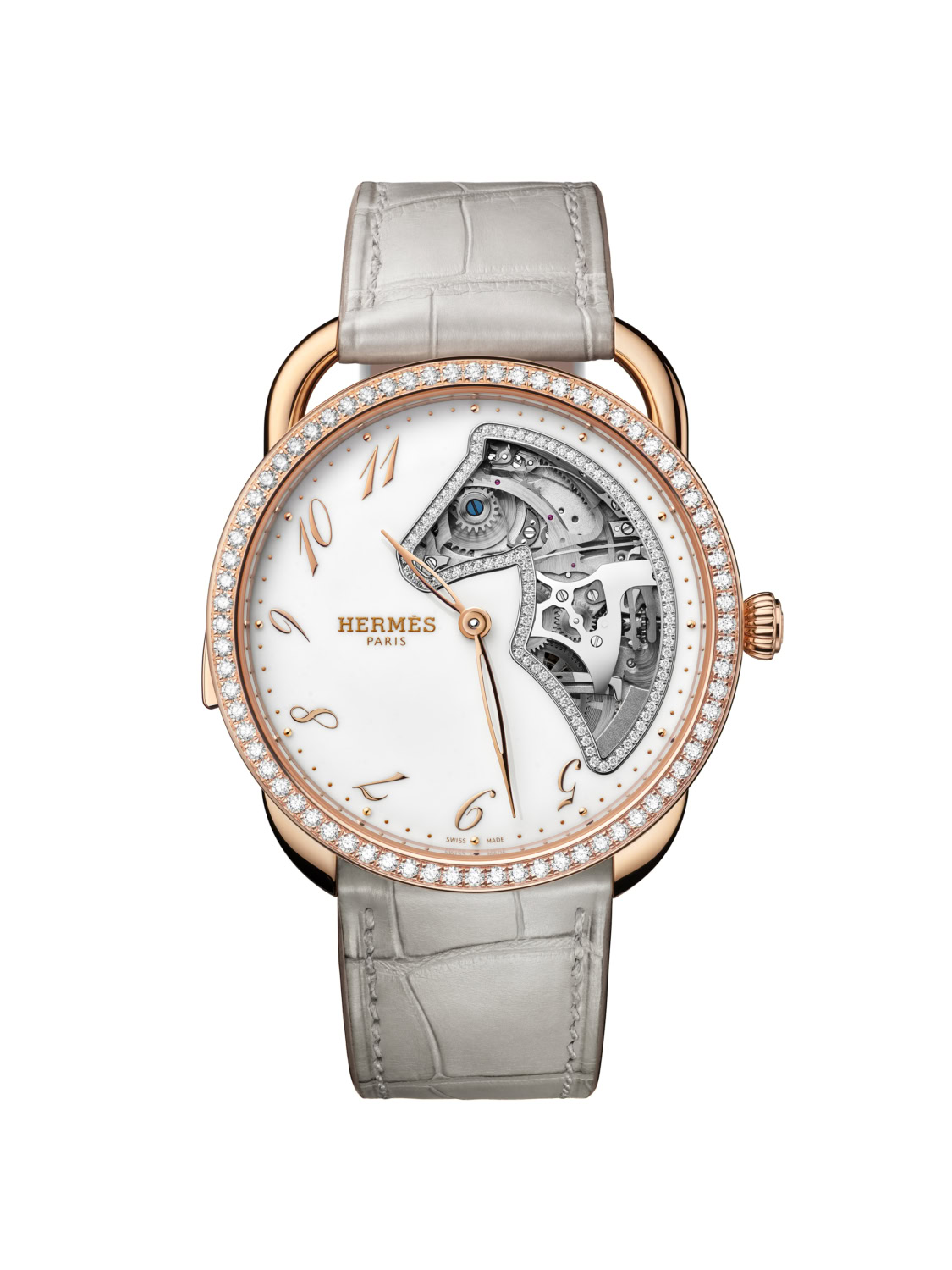
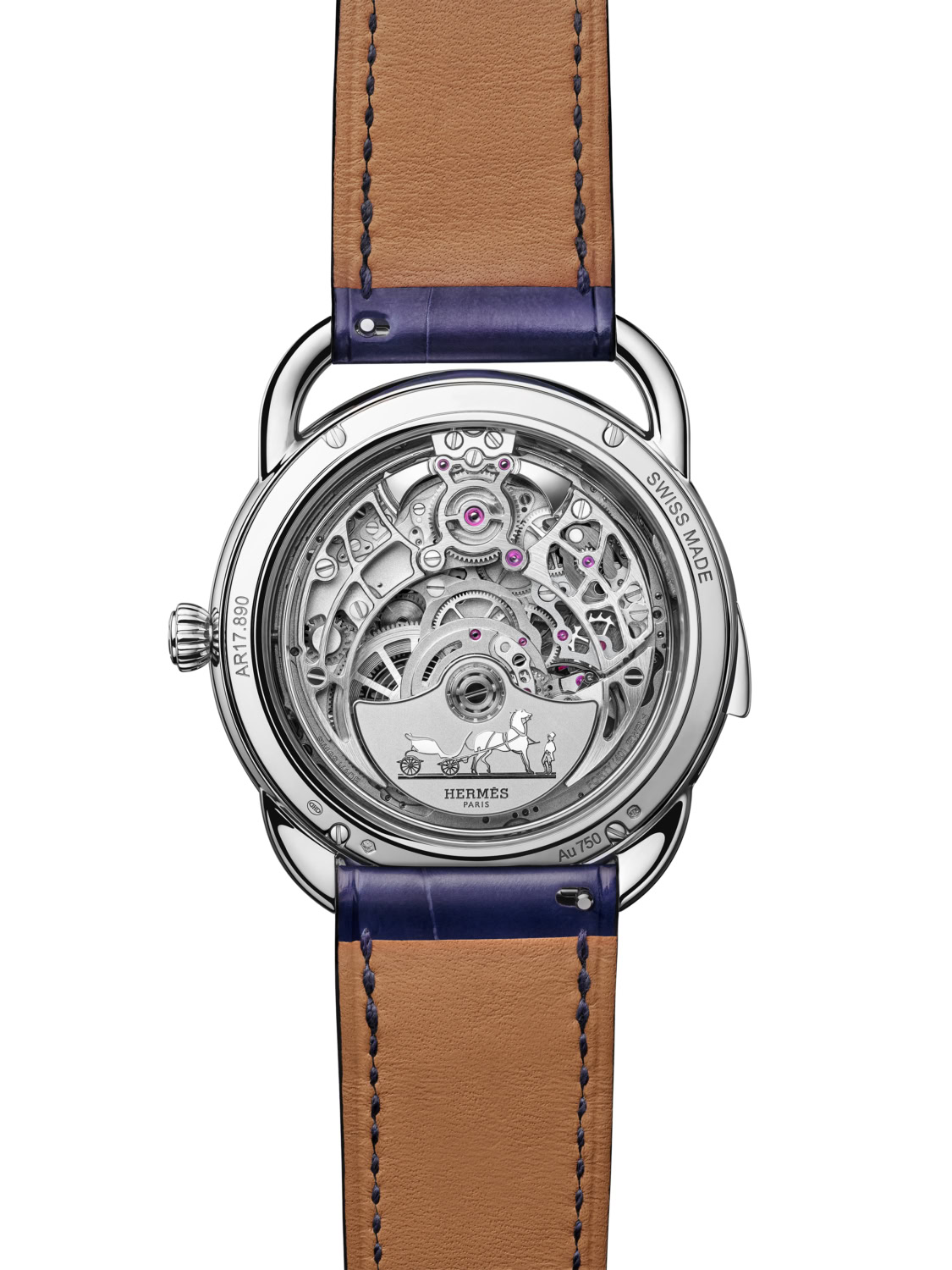
Hermès focused on skeletonisation at Watches and Wonders 2026, using it as a structural and visual through-line across its key releases. The Hermès H08 Squelette led with a 39mm titanium case and the new H1978 S calibre, opening up the movement into a clean, architectural layout where gears and bridges remained fully visible. The Arceau Samarcande built on this with a more complex approach, combining an openworked dial shaped as a horse’s head with the H1927 self-winding movement and a minute repeater, housed in white or rose gold. The Slim d’Hermès Squelette Lune added a functional complication, tracking lunar cycles across both hemispheres via the H1953 movement. Elsewhere, the Slim Pocket Roaaaaar! introduced a decorative counterpoint, using wood marquetry and Grand Feu enamel to depict a lion motif. Across the board, Hermès emphasised transparency, technical clarity and craft, treating the movement as a visible and central design element rather than something concealed.

Tag Heuer
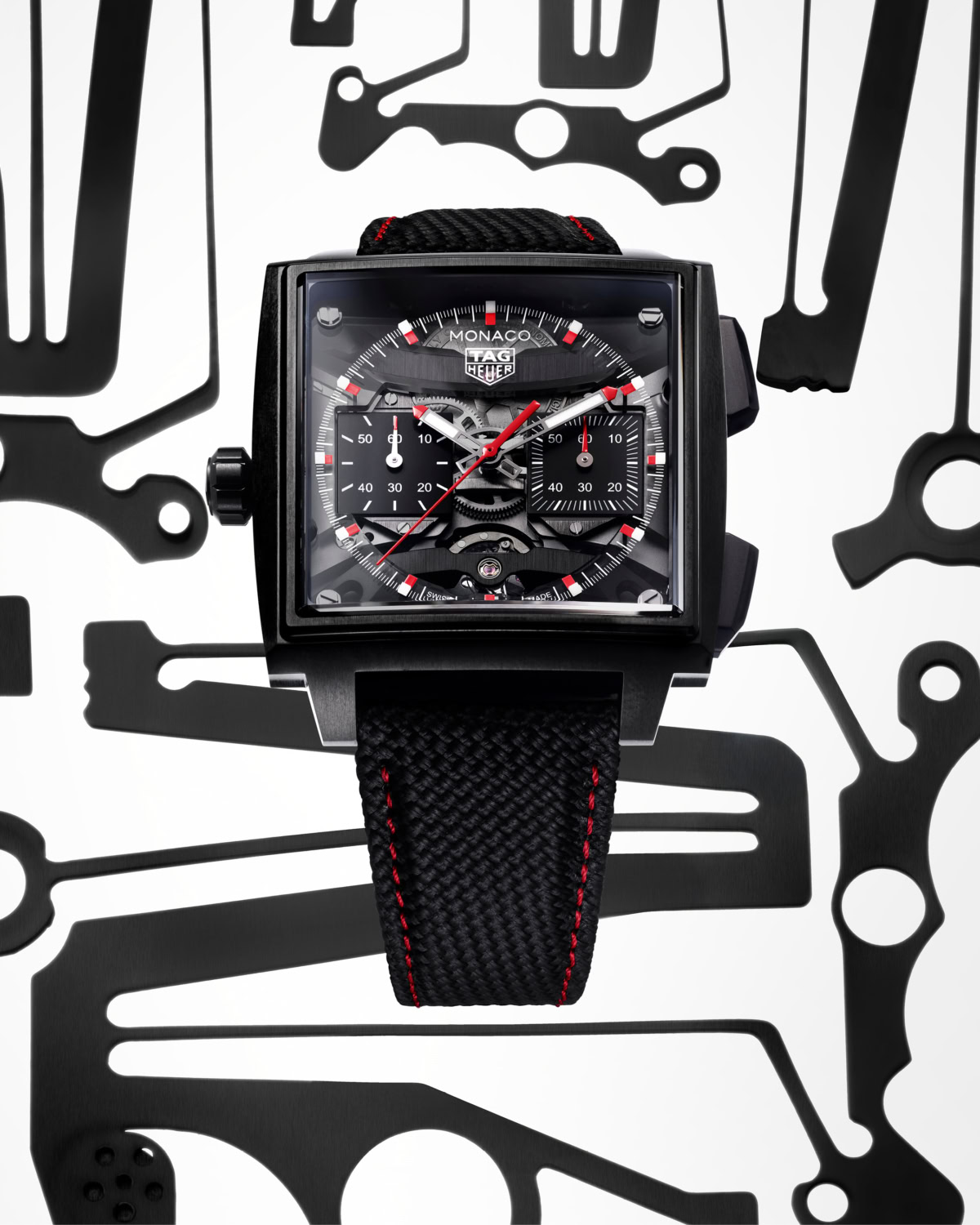
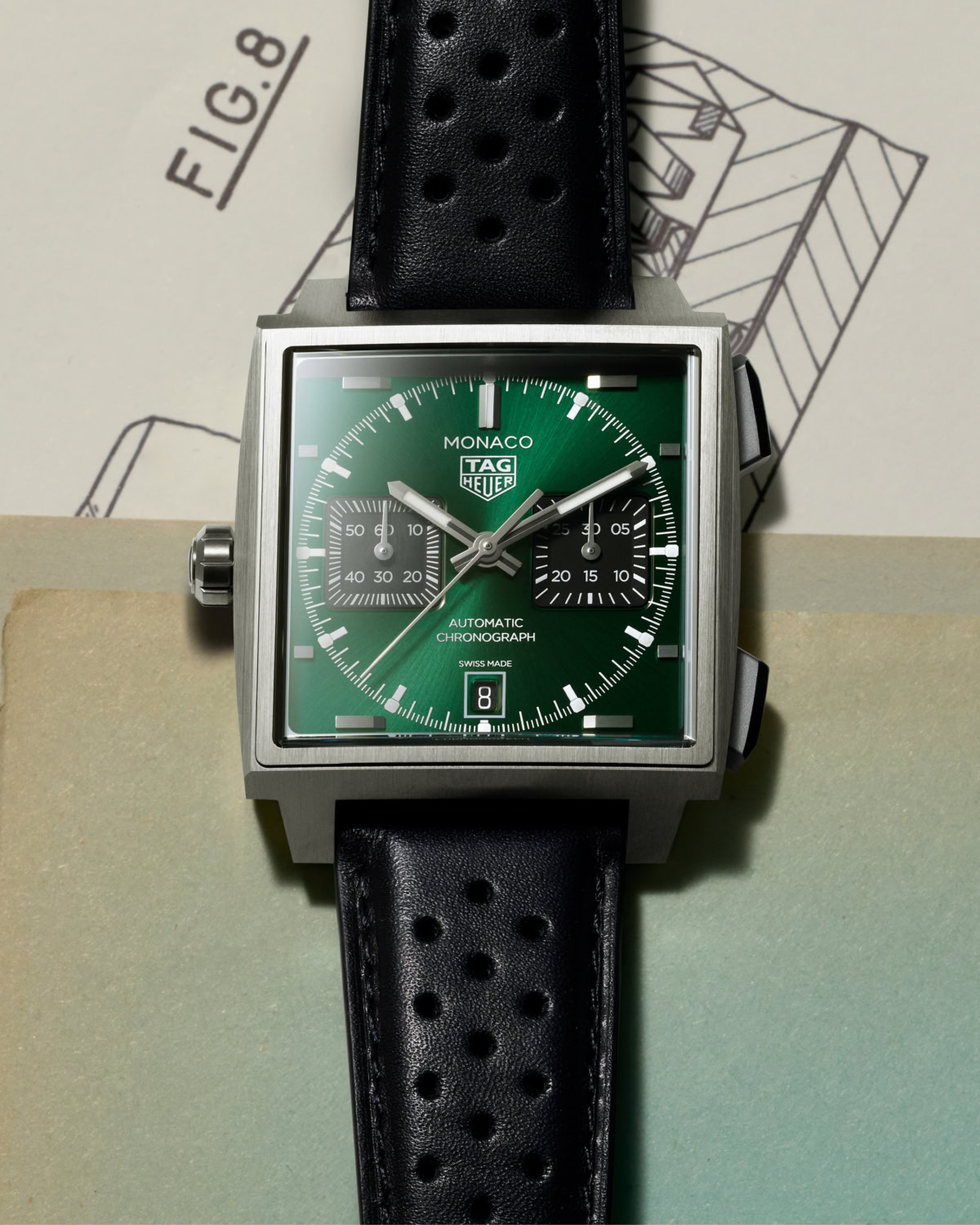
Tag Heuer used Watches & Wonders to balance heritage with technical innovation. The presence of actor and racing driver Patrick Dempsey reinforced the brand’s motorsport identity, linking performance culture to product. The core update was the Monaco Chronograph, reworked with a 39mm titanium case for improved ergonomics while preserving its square design. Powered by the in-house Calibre TH20-11 with an 80-hour power reserve, it retained key features like the left-positioned crown and bi-compax layout, refined for modern wear. Variants included blue, green and black-and-rose-gold executions. More experimental was the Monaco Evergraph, which introduced a compliant chronograph mechanism using flexible components instead of traditional levers, improving precision and durability. Its Calibre TH80-00 ran at 5 Hz with COSC certification and enhanced magnetic resistance. Together, the releases showed a dual strategy: refining an icon while advancing chronograph engineering.
Piaget
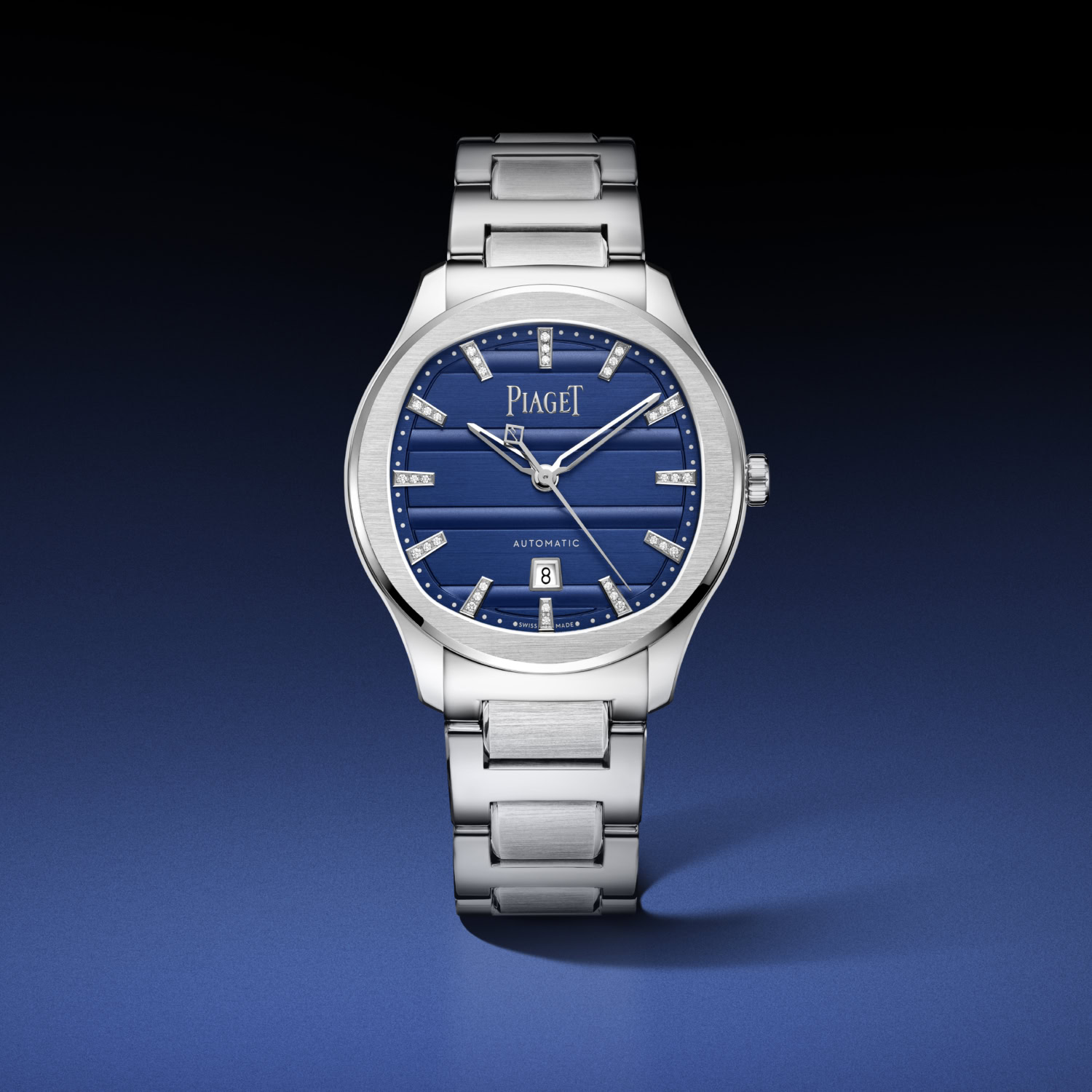
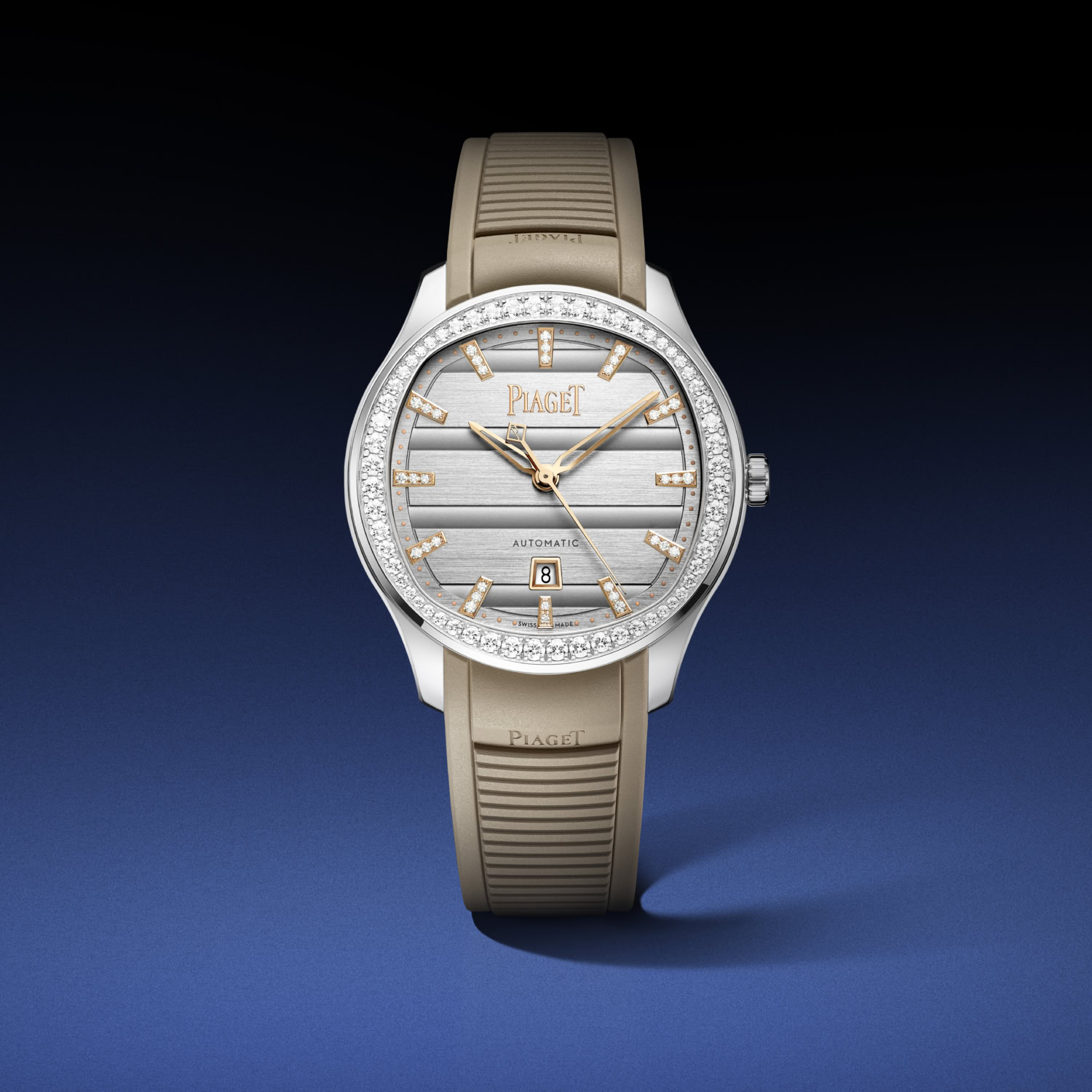
Piaget leaned into jewellery-first watchmaking at Watches and Wonders, revisiting its 1969 21st Century Collection and the idea of time as something worn, not just read. The focus was the new Swinging Pebbles sautoirs – pendant watches carved from single blocks of ornamental stone including tiger’s eye, verdite and pietersite. Each was hollowed to house a manufacture movement, then suspended from twisted gold chains, turning the watch into a moving object rather than a fixed one. The pieces directly referenced Piaget’s 1970s output, when designers like Jean-Claude Gueit pushed fluid, tactile forms and blurred the line between jewellery and horology. Elsewhere, the Maison continued its use of ornamental stone across dials and cases, reinforcing colour and material as core design elements. The result was consistent: watches that prioritised form, movement and wearability over convention, with timekeeping integrated into objects designed to shift, swing and be experienced in motion.
Rolex
Rolex marked 2026 as a centenary moment, building its releases around 100 years of the Oyster and reinforcing its focus on precision, materials and incremental evolution. The Oyster Perpetual 41 led the narrative, issued in yellow Rolesor with anniversary details including a “100 years” dial marking and a crown engraved with the same. Across the Oyster Perpetual range, Rolex pushed dial work further: the 36 introduced a multicolour Jubilee motif built through complex pad-printing, while the 28 and 34 brought stone hour markers into gold cases for the first time. Elsewhere, core models were refined rather than reworked. The Datejust 41 returned with a green ombré dial, while the Yacht-Master II was simplified, with a redesigned countdown system and improved legibility. The Day-Date 40 introduced a new in-house alloy, and the Daytona combined platinum and steel in a new configuration. Underpinning it all was an updated Superlative Chronometer standard, adding stricter testing across magnetism, reliability and durability.


Zenith
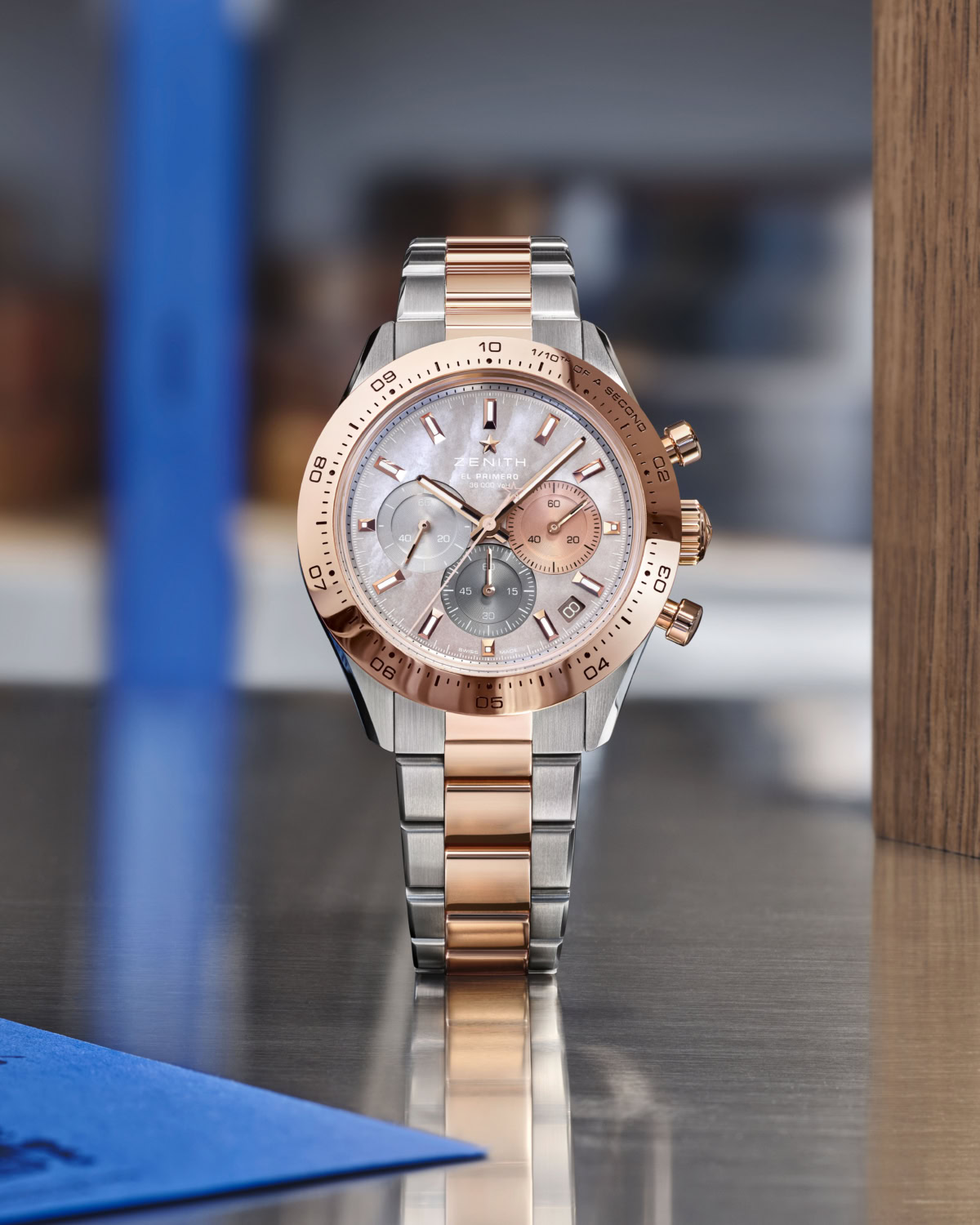
Zenith focused on expanding the Chronomaster line at Watches and Wonders 2026, building around its core asset: the El Primero. The brand introduced two key directions – a new two-tone Chronomaster Sport and a skeletonised version – both driven by the high-frequency El Primero 3600 calibre. Beating at 5 Hz (36,000 vibrations per hour), the movement enabled direct measurement of 1/10th of a second, with the central chronograph hand completing a full rotation every 10 seconds. In practical terms, that meant precision wasn’t added on, it was built into the architecture.
The two-tone model paired steel with rose gold, softening the Chronomaster’s sport profile into something more versatile, while retaining its 41mm case and signature tri-colour counters. The skeleton version went the opposite way, opening up the dial to expose the movement, alongside a new ergonomic clasp system. Together, the releases kept Zenith’s approach consistent: evolve the format, but keep the mechanics front and centre.
PATEK PHILIPPE
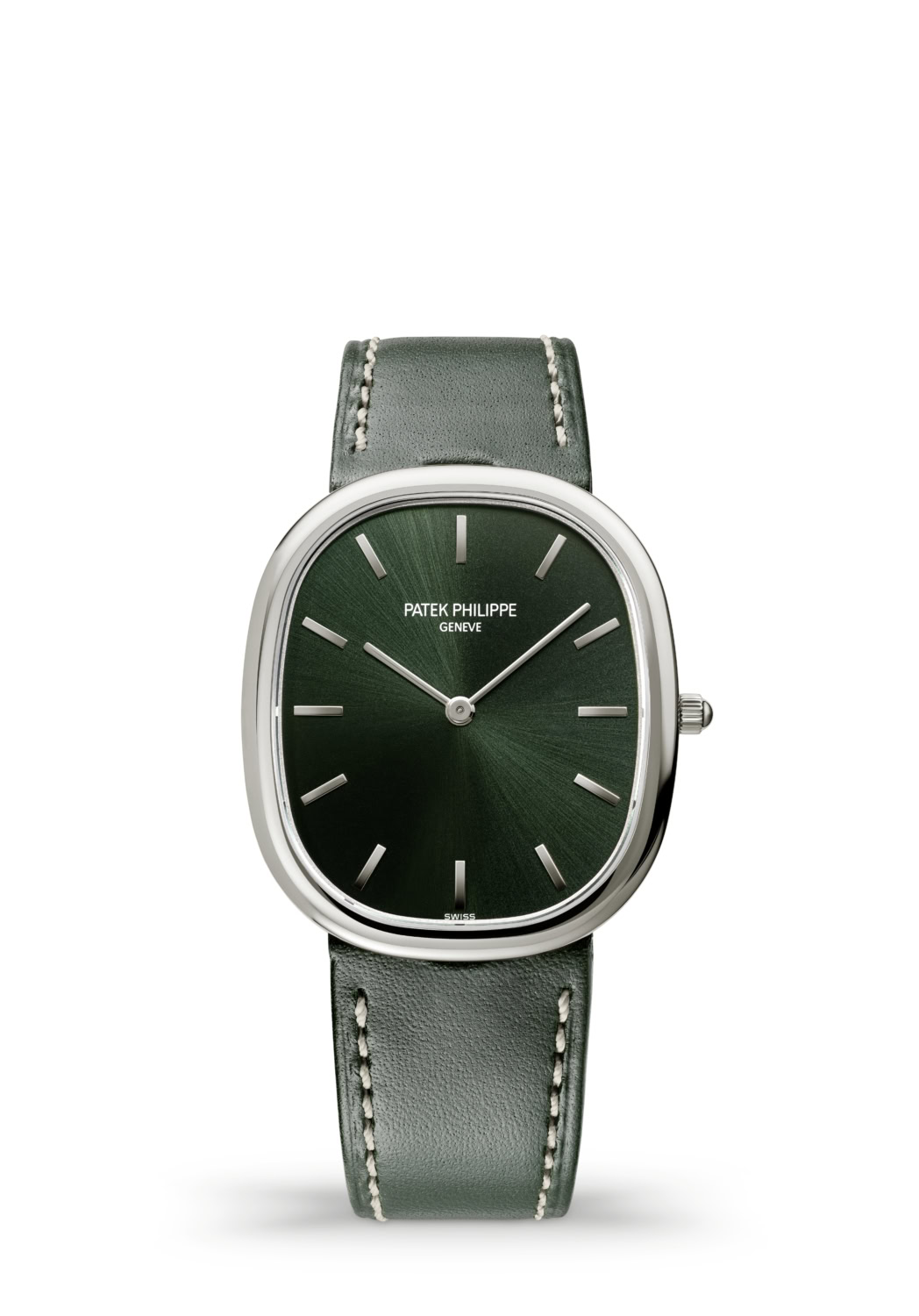
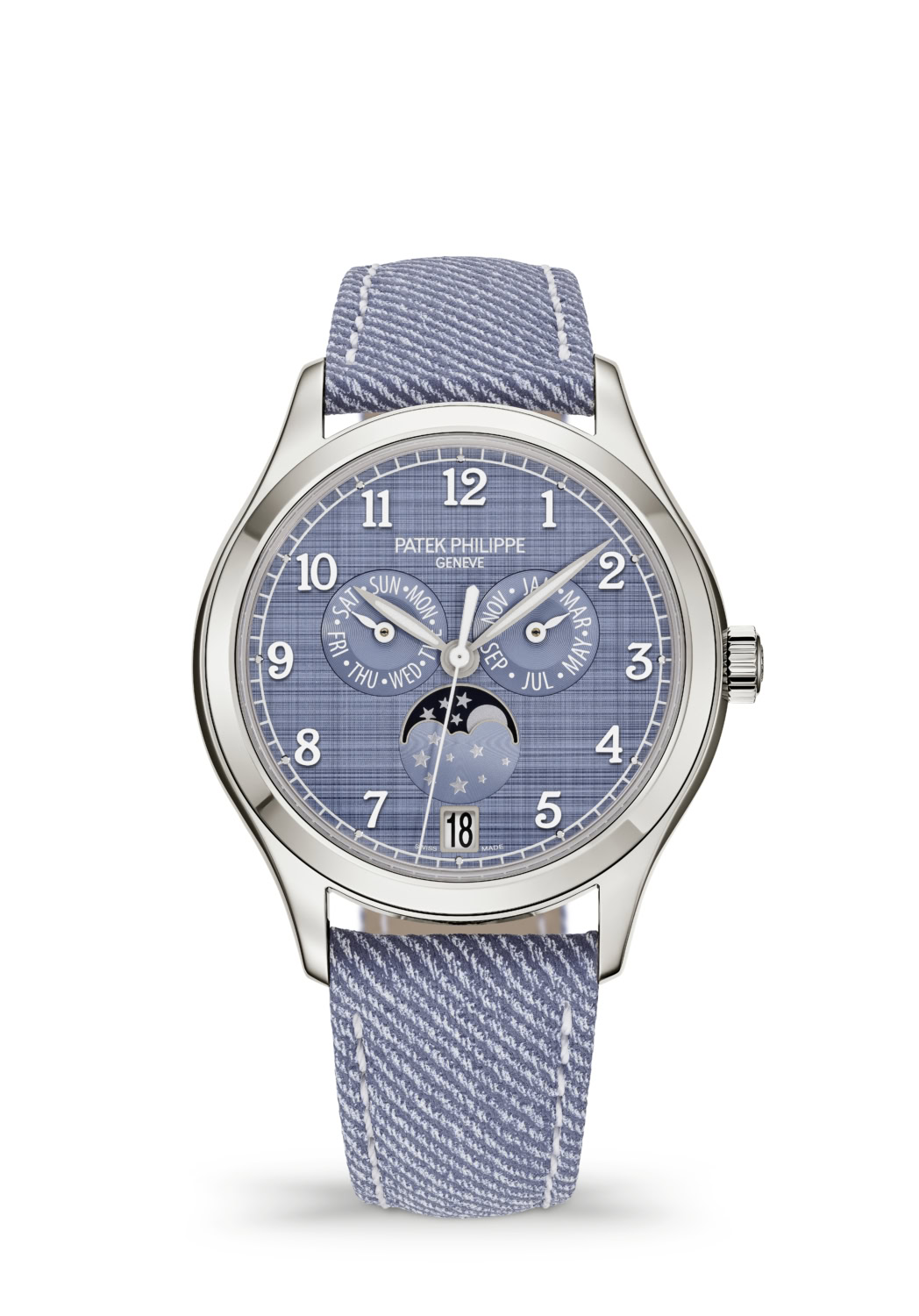
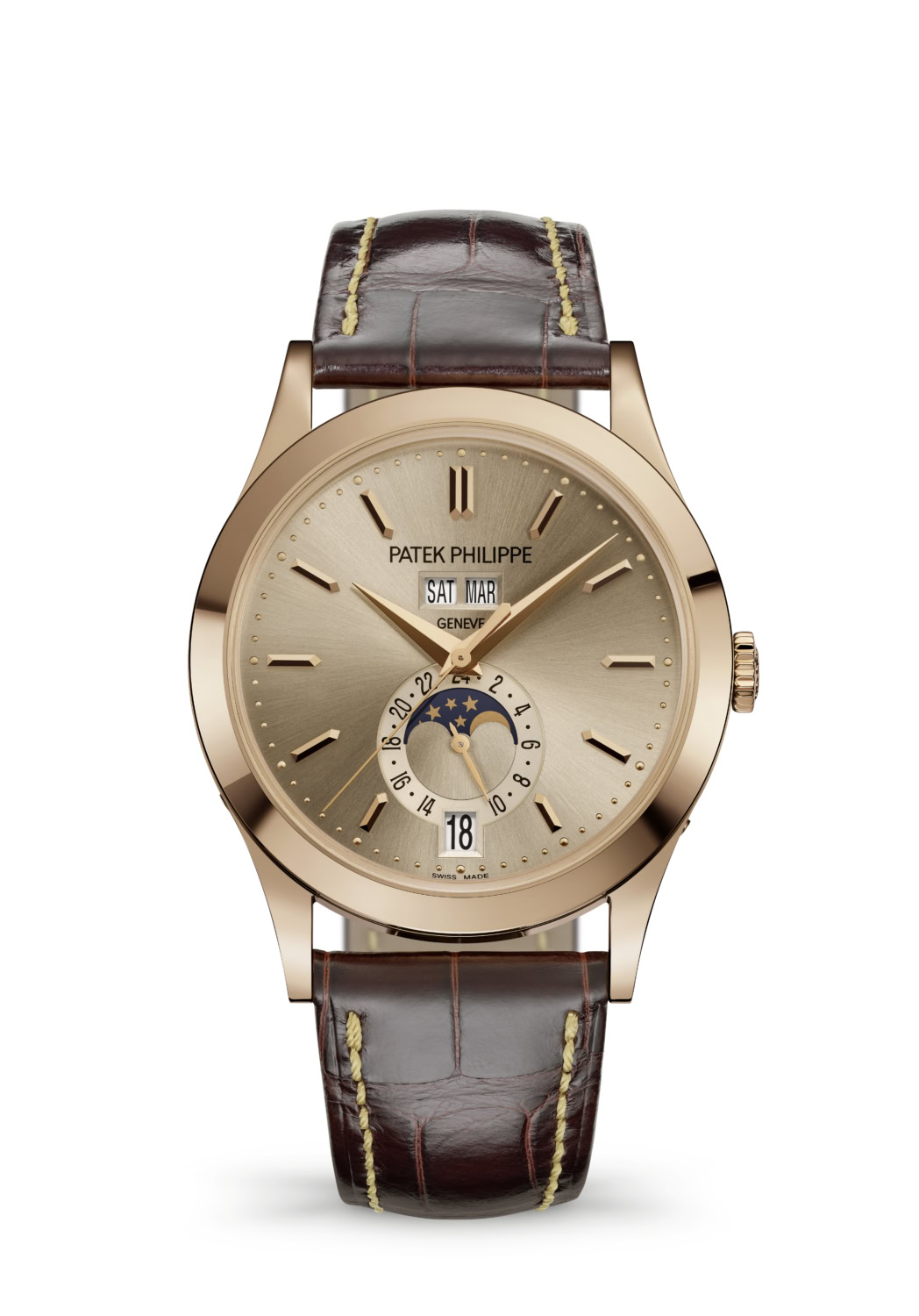
Patek Philippe marked Watches and Wonders 2026 with one of its most expansive launches ever: twenty new creations plus four limited-edition Nautilus models celebrating the collection’s 50th anniversary.
The highlight was a trio of first-ever grand complications. The standout was the brand’s first wristwatch to display sunrise and sunset times, housed in a white-gold case and powered by a newly developed movement with patented correction functions for seasonal time changes. Alongside it, Patek introduced its first grand complication in the Cubitus line, a perpetual calendar with a modern skeletonised design and square movement architecture. The third was a new 24-hour alarm grand complication, designed for precise daily time alerts using a mechanical striking system. Patek also unveiled a major milestone in horological storytelling: its first modern wristwatch automaton, inspired by a 1958 museum pocket watch designed by Louis Cottier, animating a fable-driven scene.
On top of that, the brand expanded its core complications with new perpetual calendars, chronographs, annual calendars, world timers and rare handcraft pieces, including enamel, engraving and gem-set editions. To close, it celebrated the 50th anniversary of the Nautilus with four limited editions, reinforcing the icon’s status in sporty luxury. This is a release defined by extremes: innovation, craft and heritage – all at once.
IWC Schaffhausen
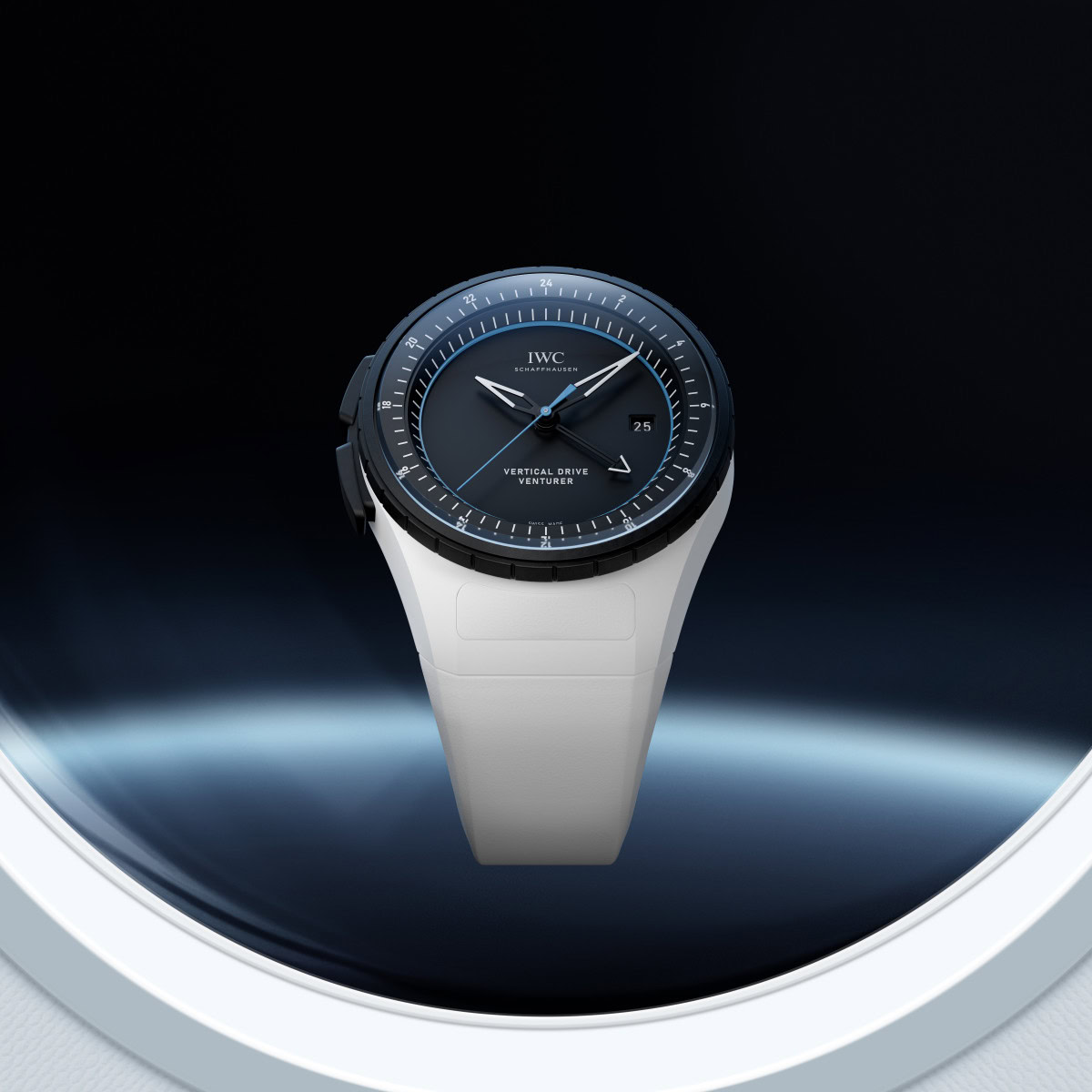
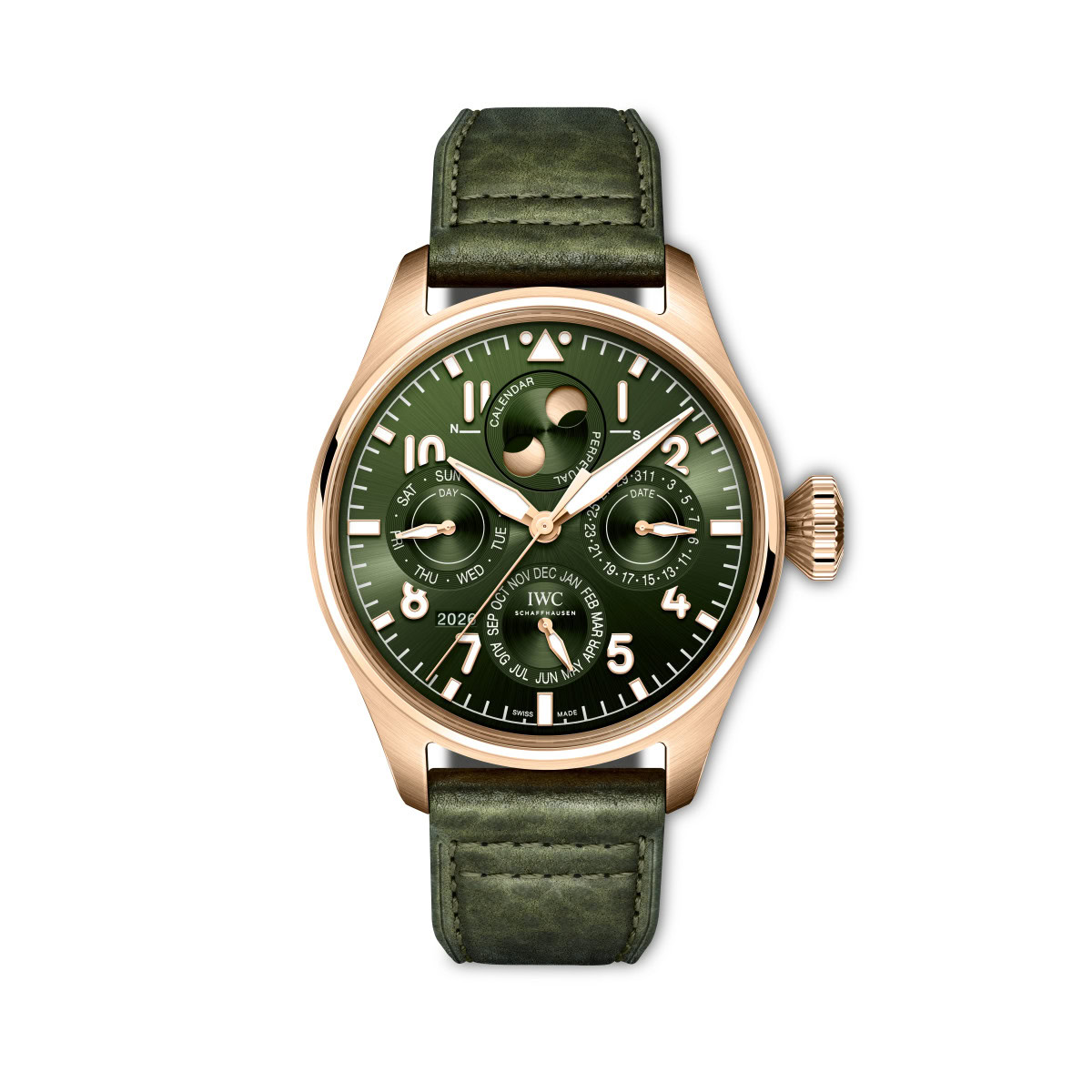
IWC Schaffhausen delivered a three-part showcase of engineering at Watches and Wonders, spanning spaceflight, calendar innovation and advanced materials. Leading was the Pilot’s Venturer Vertical Drive, the brand’s first watch engineered and certified for human spaceflight in partnership with Vast. It replaced the traditional crown with a rotating bezel and side rocker switch, allowing operation with astronaut gloves. Powered by the 32722 calibre, it offered a 120-hour power reserve, GMT and 24-hour display, and was built in ceramic and Ceratanium to withstand extreme conditions, having been tested to 10G for Haven-1. The Big Pilot’s Watch Perpetual Calendar IWC-ProSet introduced a fully gear-based system enabling intuitive forward and backward adjustment, with a moon phase accuracy of up to 1,040 years. Completing the lineup, the Big Pilot’s Watch Perpetual Calendar Ceralume®, limited to 250 pieces, debuted fully luminous ceramic, with the entire watch glowing for over 24 hours. IWC served up a fresh collection defined by technical firsts.
Van Cleef & Arpels
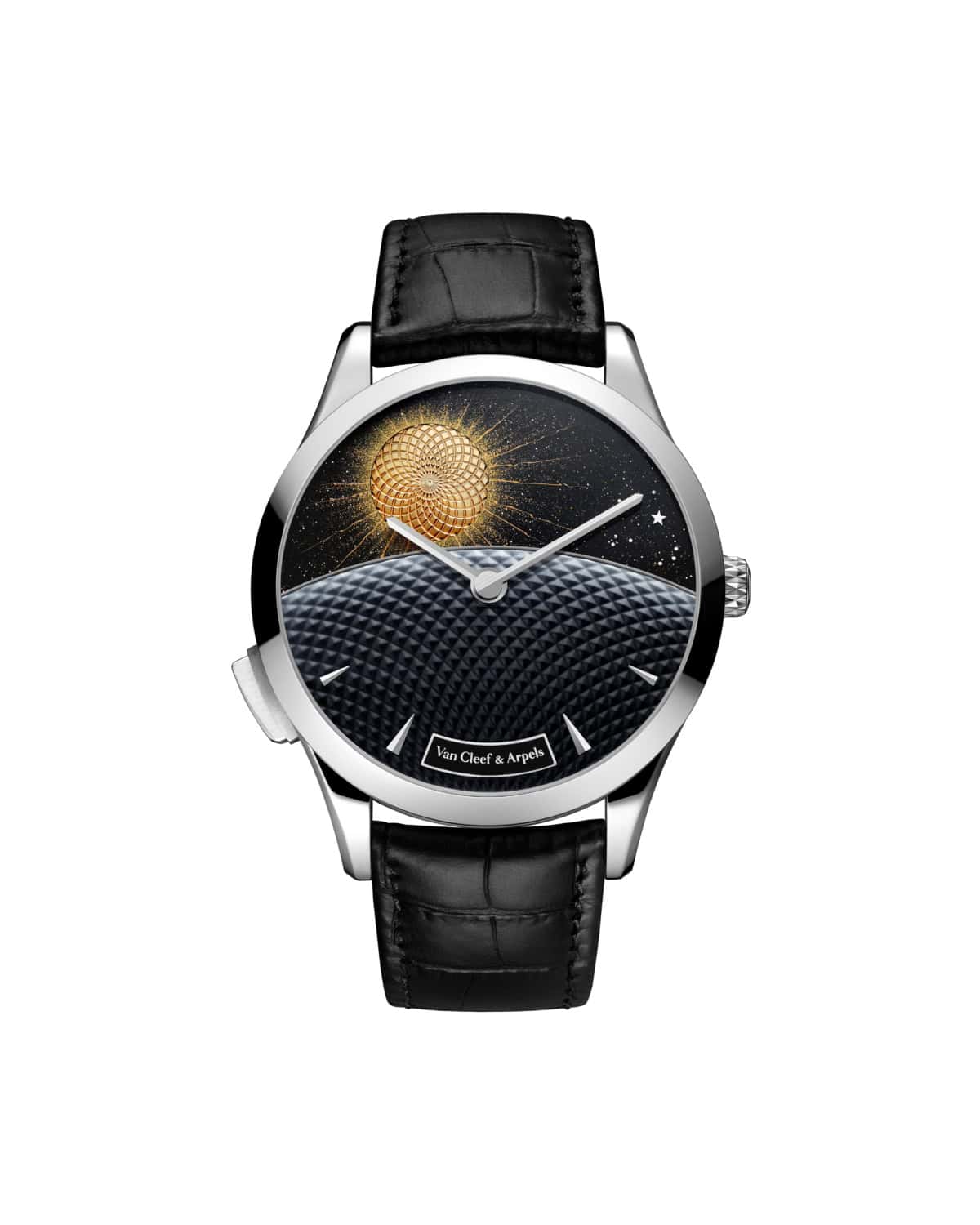
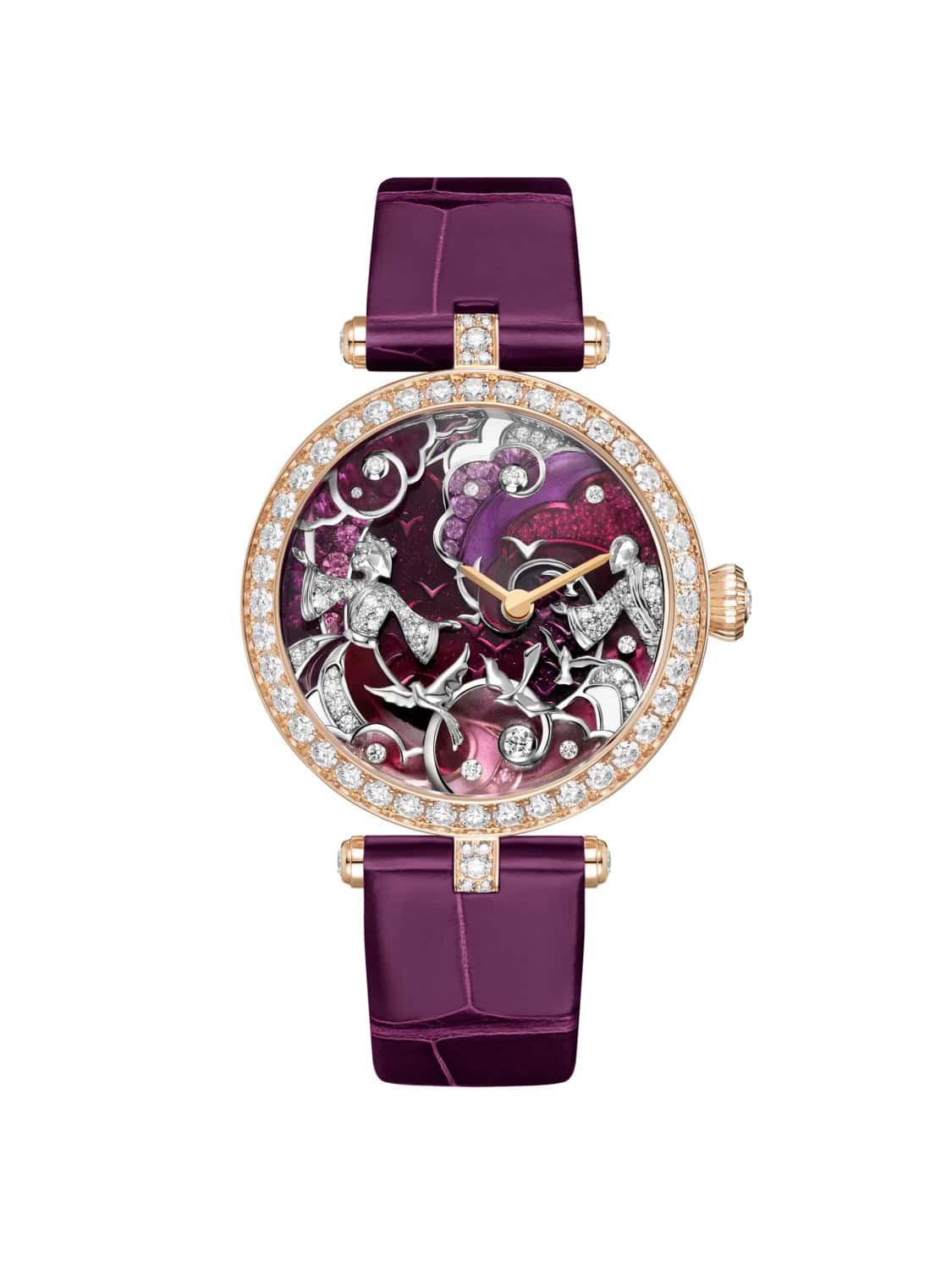
At this year’s Watches and Wonders, Van Cleef & Arpels left guests starry eyed. A heritage house of Parisian origin, it used its models to embrace the spectacle of the night sky. Reintroducing timepieces for men, the maison notably presented the Midnight Jour Nuit Phase de Lune, made from aventurine glass and white gold. Featuring two hands overlapping over the dial – one showing a day-to-night indicator, the other the Moon phase – the release pays tribute to how watchmakers have long embraced the movements of the cosmos. Similar themes were adopted for womenswear. The Lady Rencontre Céleste, for example, showed a couple, hands intertwined, against the backdrop of an indigo blue sky and diamond stars. Glazed in enamel, the Lady Rencontre Céleste was mirrored by the Lady Retrouvailles Célestes, which sees the couple longingly reaching out for one another across a swirling scene chiselled from pink sapphires, white mother-of-pearl and diamonds. These watches embraced romance and yearning – for something beyond the stars, for each other – and presented it through craftsmanship of the most exquisite kind.
Bvlgari
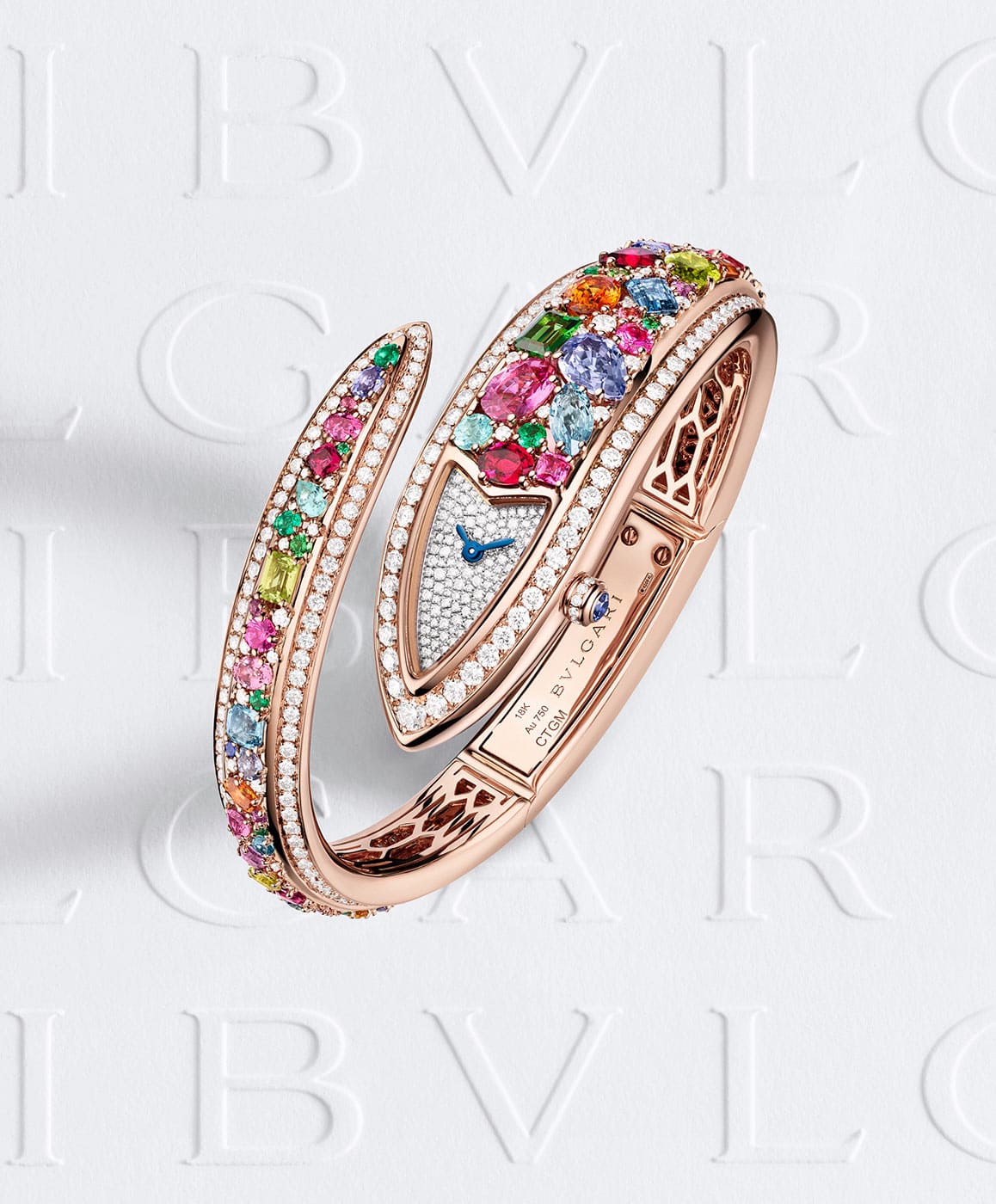
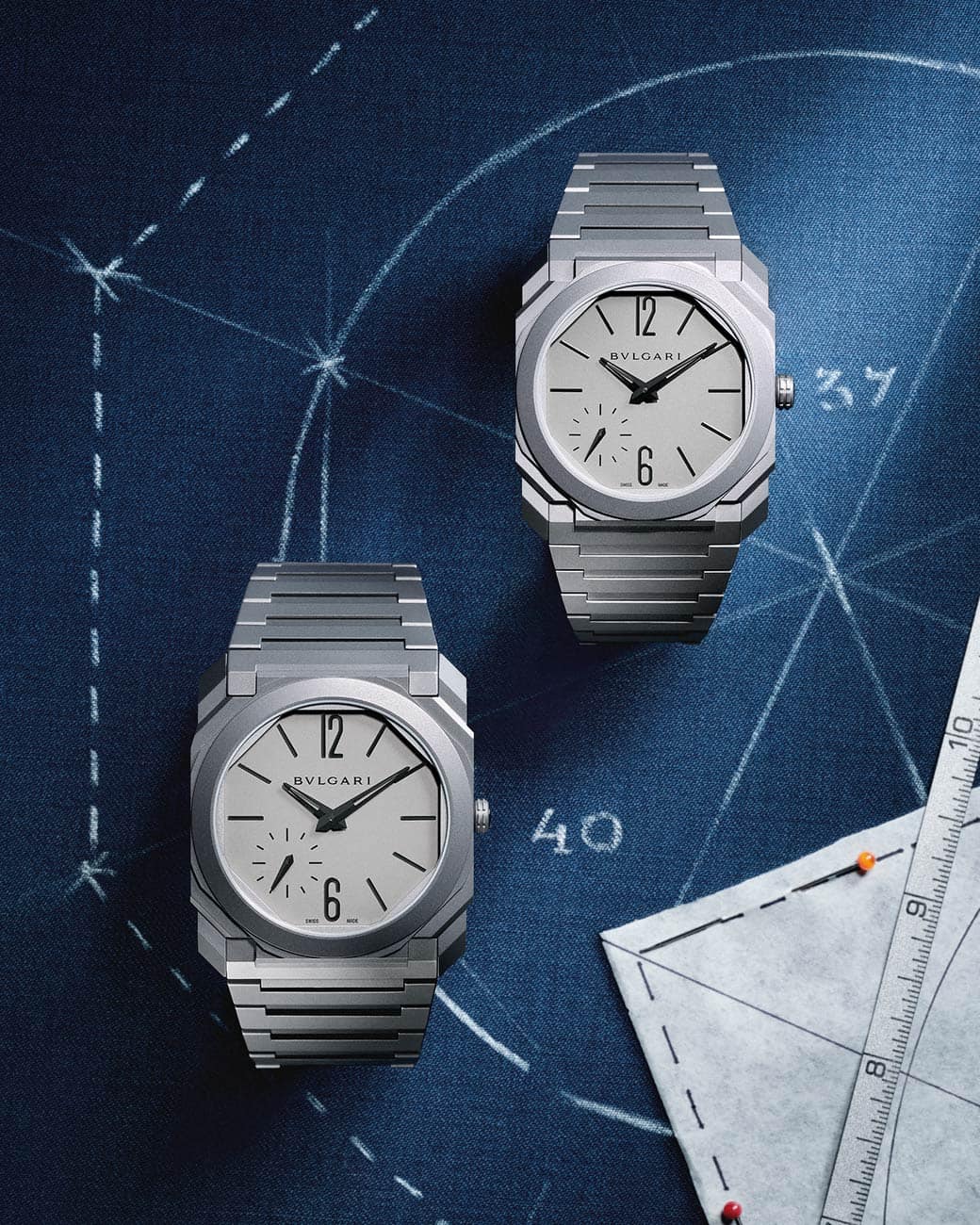
Bvlgari’s dual identity as both a watchmaker and a high jeweler was on full display at this year’s Watches and Wonders. Blending sleek, bold aesthetics with top level engineering, Bvlgari emerged from this year’s fair as a horological thought leader. Continuing to pave the way for ultra-thin watchmaking, the brand introduced a refreshed Octo Finissimo model and the new Octo Finissimo Ultra Tourbillon Platinum – the former featuring an engine measuring an astounding 2.35mm, the latter featuring the world’s thinnest flying tourbillon (the cage that holds the key parts of the movement like the balance wheel), coming in at 1.85mm. The influence of high jewellery shone through in the Serpenti Tubogas Studs Capsule and the Serpenti Aeterna. The first combined classic serpenti and tubogas motifs to create watches that doubled up as bracelets studded with diamonds and presented four limited edition pieces – one crafted fully from gold, the other three blending gold and steel. The second embraced the vibrancy of gemstones, drawing together a glittering mosaic of rubellite, amethyst, topaz, emerald, sapphire and more. A reinvention of the icons held close to the house’s heart, Bvlgari used Watches and Wonders to amplify its commitment to excellence, one awe-inspiring watch at a time.


Hublot
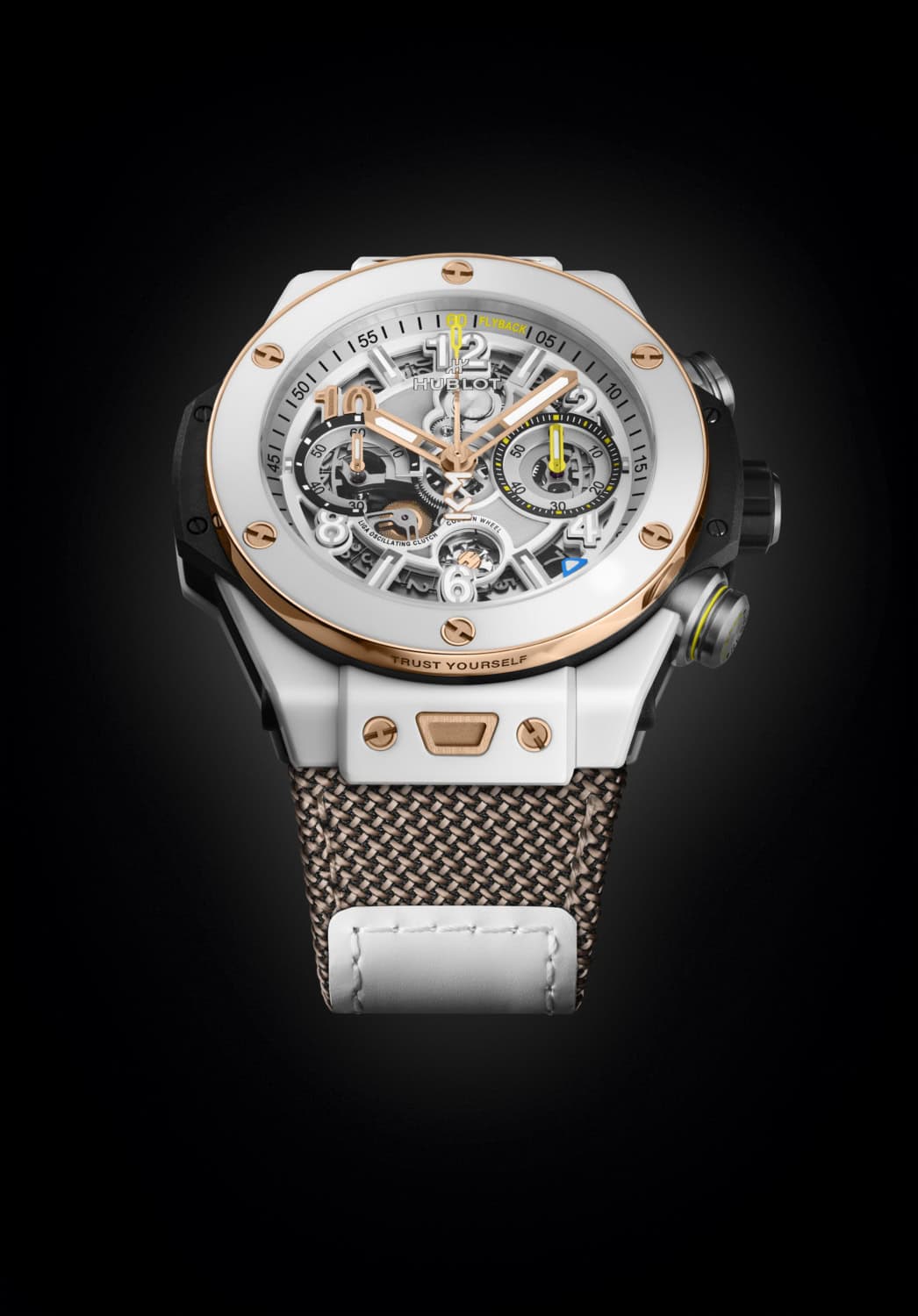
Hublot pushed boundaries at this year’s Watches and Wonders. Continuing its focus on unconventional materials like ceramic, the Swiss watchmakers also wowed with tricky technical applications like setting diamonds in sapphire – a world first innovation that debuted in the Spirit of Big Bang Impact. Also placing a heavy emphasis on the Unico calibre – a specific movement manufactured in-house – the brand unveiled silhouettes like the Big Bang Reloaded that showed off its signature skeletal features, exposing the intricate mechanics as design features. Glitzy collaborations with the world’s top sportsmen were also on display. Teaming up brand ambassadors, footballer Kylian Mbappé and Olympian Usain Bolt, Hublot produced two limited edition models of the Big Bang Reloaded. Mbappé’s version was crafted out of white ceramic and 18k gold and engraved the footballer’s “trust yourself” mantra, whilst Bolt’s paired black ceramic with carbon and yellow gold bezel, with the engraving “anything is possible, don’t think limits”. A visit to the Hublot stand meant digesting a raw vision of dominance, across both horology and sports.

Gucci
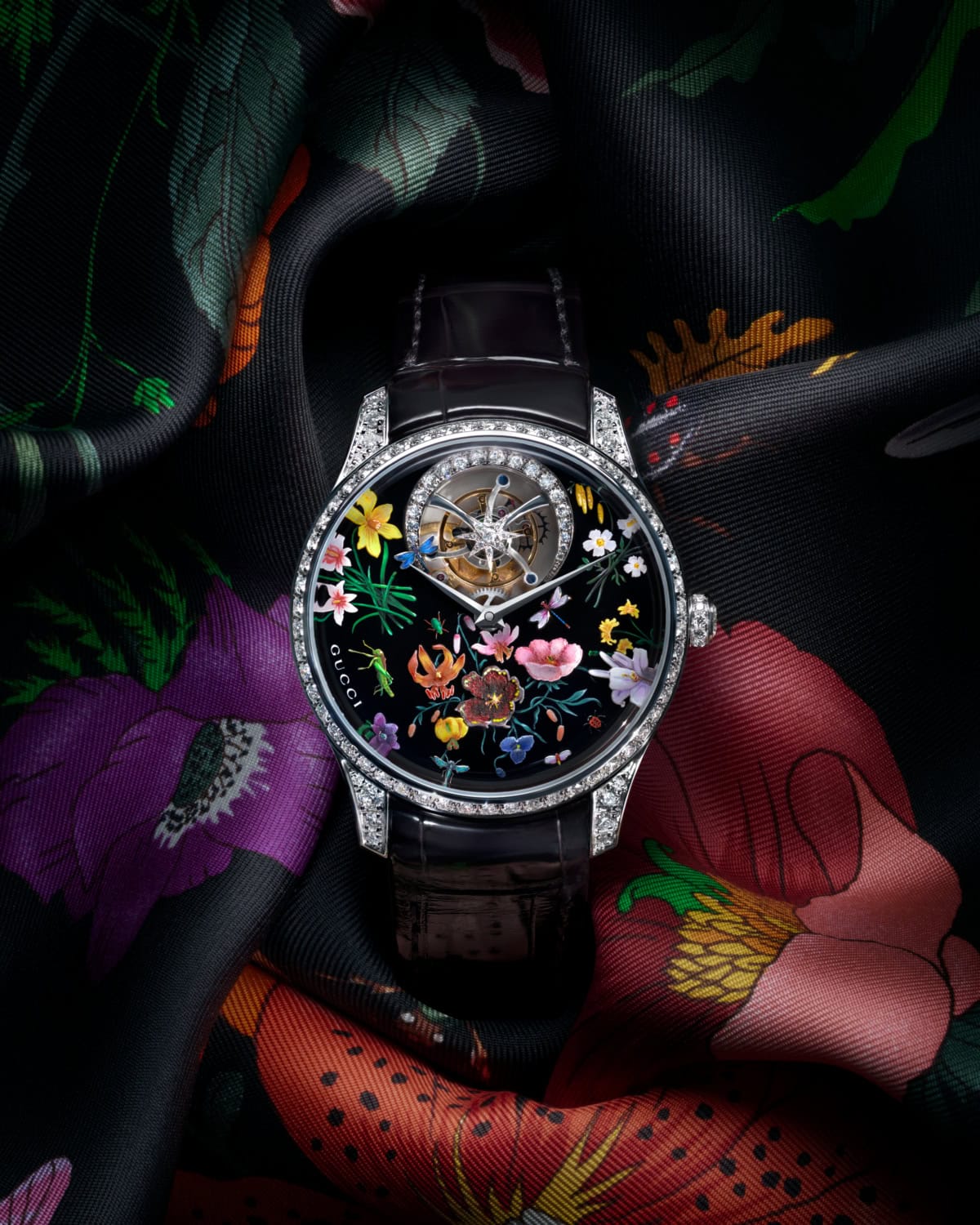
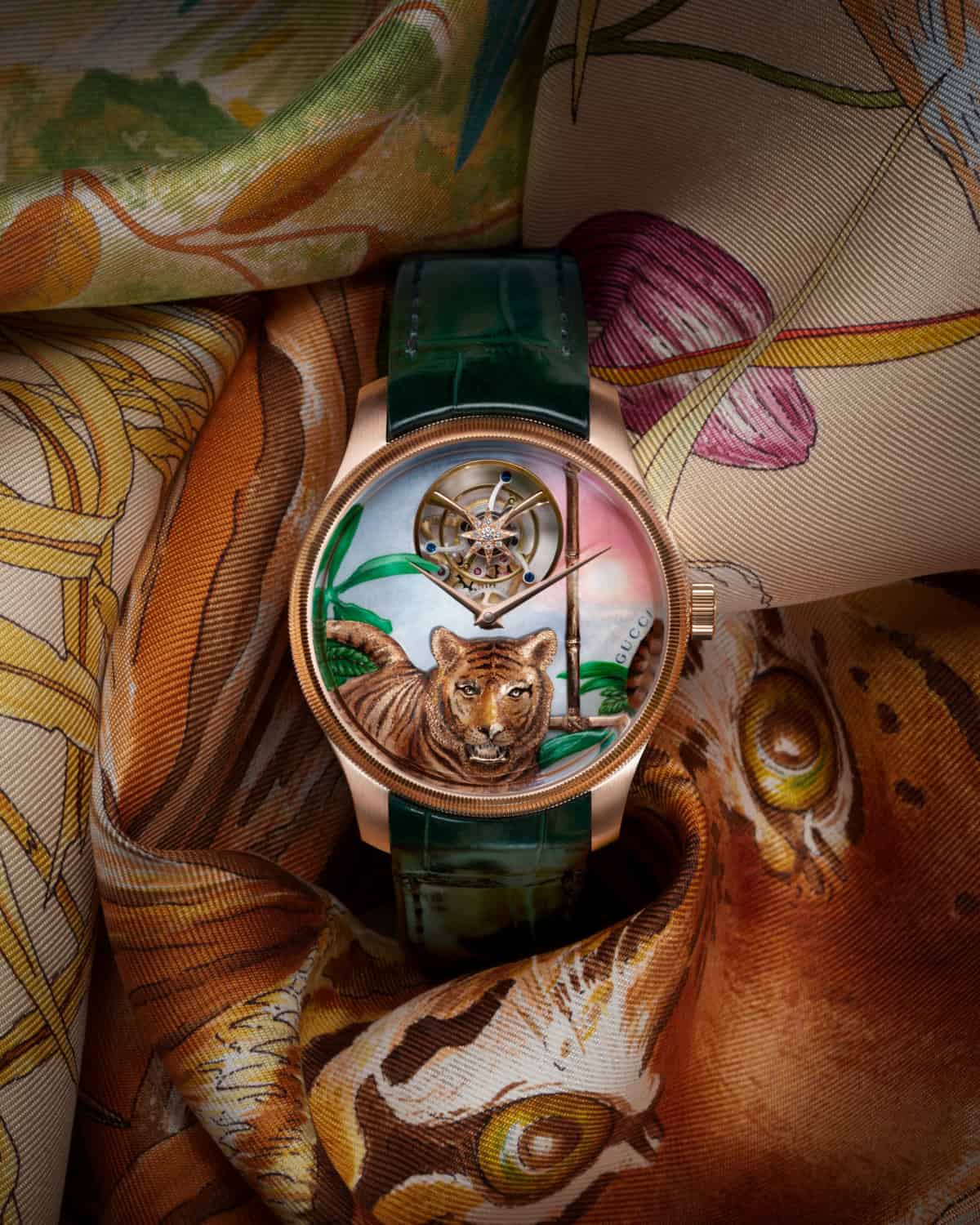
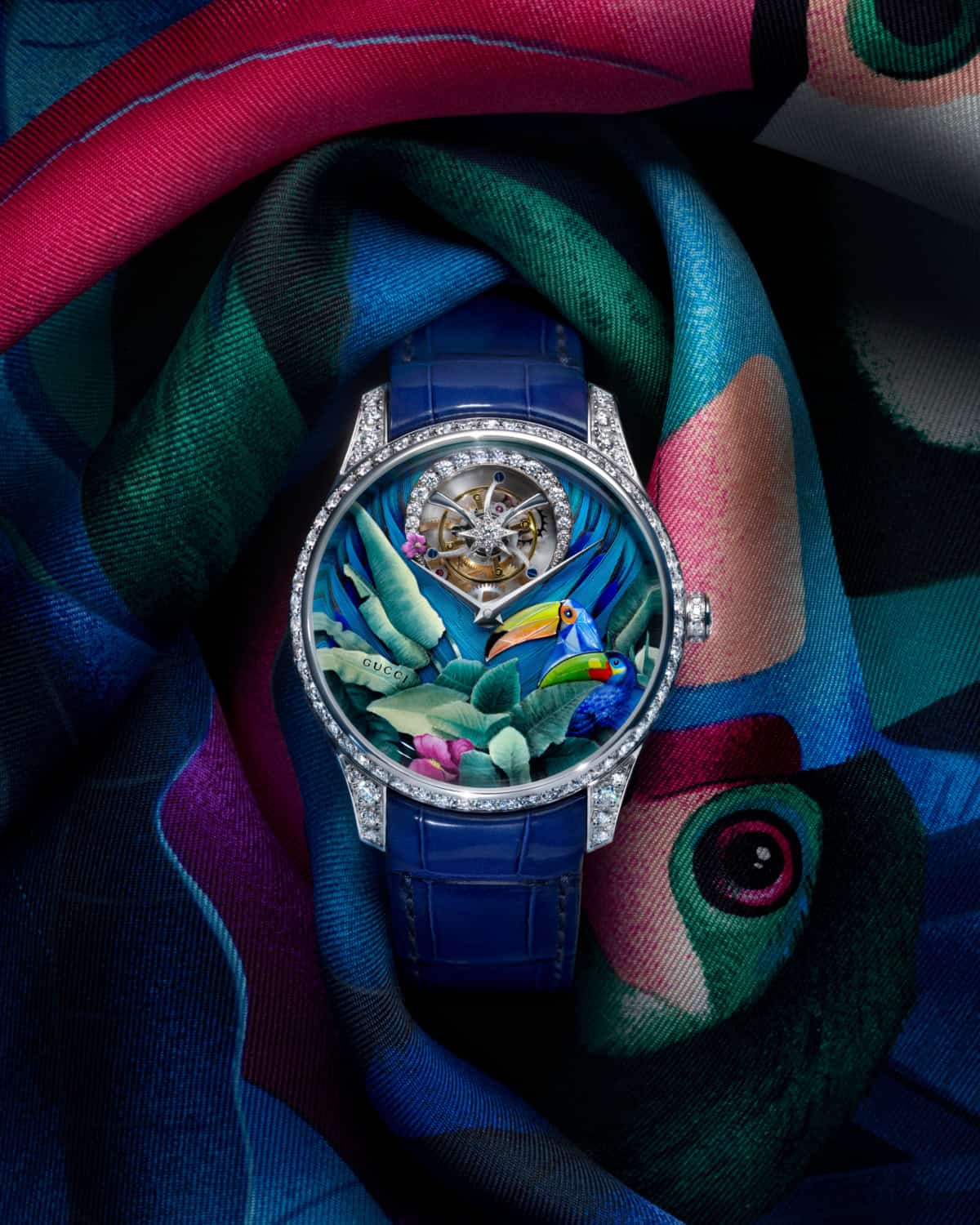
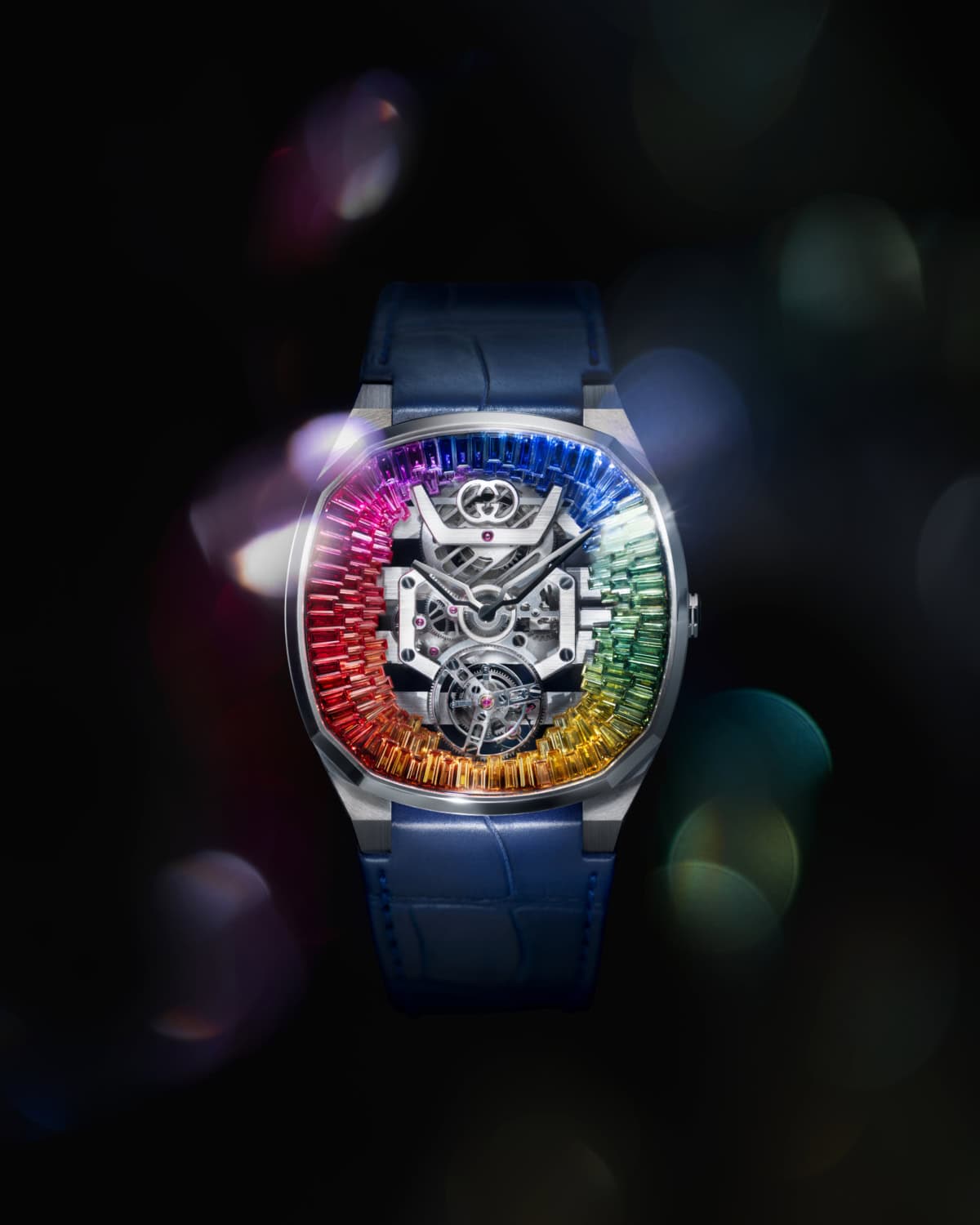
Decorative watchmaking techniques were the name of Gucci’s game this year at Watches and Wonders. Positioning its watches more so as mini artworks – micro-painting, engraving, enameling and feather inlays popped up throughout – the Italian house referenced a series of archival silk scarves dating from the 1960s to 1980s. Forming part of a broad, renewed focus on this section of the Gucci archives (the house’s Art of Silk project, which focuses on the relevance of the silk scarf to its history, launched in 2025), the watches embraced classic motifs commonly found on these designs, including flora and animalia. This was most obvious in the G-Timeless Métiers d’Art collection, comprising four models that sported symbols like a tiger emerging from foliage and a tropical toucan. The offering also integrated elements of high jewellery, such as in the Gucci 25H, updated for the fair through the addition of rainbow-coloured baguette sapphires. A nod to the Italian powerhouse’s sprawling and influential archives, the pieces acted as symbols of both heritage and evolution.
Ulysse Nardin
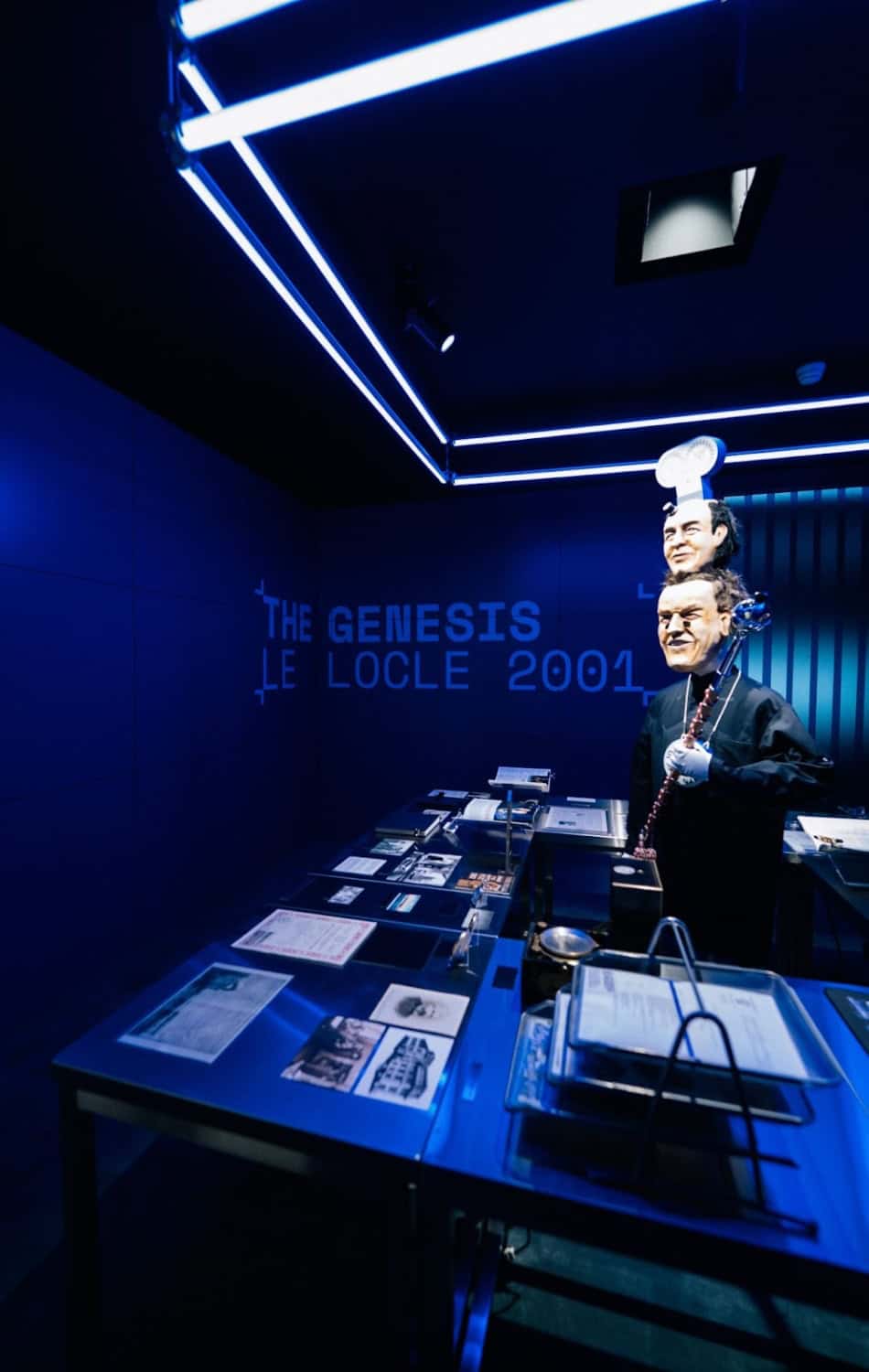
Ulysse Nardin did Watches and Wonders a little differently this year. Upon entry, visitors were greeted with a two meter high kinetic sculpture which paid tribute to long-standing watch creator Ludwig Oechslin. A life-like presentation of Oechslin’s face, produced via 3D facial scan, the installation harked back to the disruptive impact of the house’s famed Freak silhouette which celebrated its 25th anniversary this year. Designed by Oechslin, the product was introduced in 2001 and featured no dial, no hands and no crown. Instead, the Freak saw the entire centre of the watch rotate around the dial, with the long bridge acting as the minute hand. Never done before, Oechslin and Ulysse Nardin broke boundaries, reimagining the framework of watchmaking itself. This year, the brand celebrated this feat, opting out of a central product display and traditional showcase for a fully immersive installation that commemorated one of the most subversive, influential moments in horology.
Vacheron Constantin
At this year’s fair, Vacheron Constantin honed in on its masterful horology credentials. Lasering in on technical precision and skeletonisation, the Swiss manufacturer was flexing its muscles, built over centuries since its founding in 1755. Continuing its leading innovations with ultra-thin calibres – on show in the Calibre 2550 and Overseas Self-Winding Ultra Thin specifically – Vacheron emphasised its legacy and development by building on historic calibres to do so. Treating the complexity of the mechanisms as art in itself, most watches were skeletonised, the inner architecture having an almost hypnotic effect on visitors. Collaborating with the Louvre emphasised this idea of watchmaking as art. Producing four models alongside the Parisian institution, inspired by Ancient Egypt, Assyria, Greece and Rome, these pieces displayed the time via discs as opposed to hands, maximising the space for the gilding, engraving and carving that produced the bold, antiquity-inspired watchfaces. Using this historic edge to drive home its message, Vacheron Constantin left Watches and Wonders affirmed in its mechanical excellence, craftsmanship and legacy-infused storytelling.