Inside Dior’s Expansive Paris Archive
Once upon a time, fashion was so focused on looking forward that even the most historic houses rarely kept anything from their pasts. History was baggage. Today, the story is different. Heritage is a house’s most valuable asset. Archives are no longer considered to be dusty storage facilities. They have become the beating heart of many brands, allowing them to safeguard heritage, inspire creative teams and capitalise on their origin stories. We go inside five of fashion’s finest.
DIOR
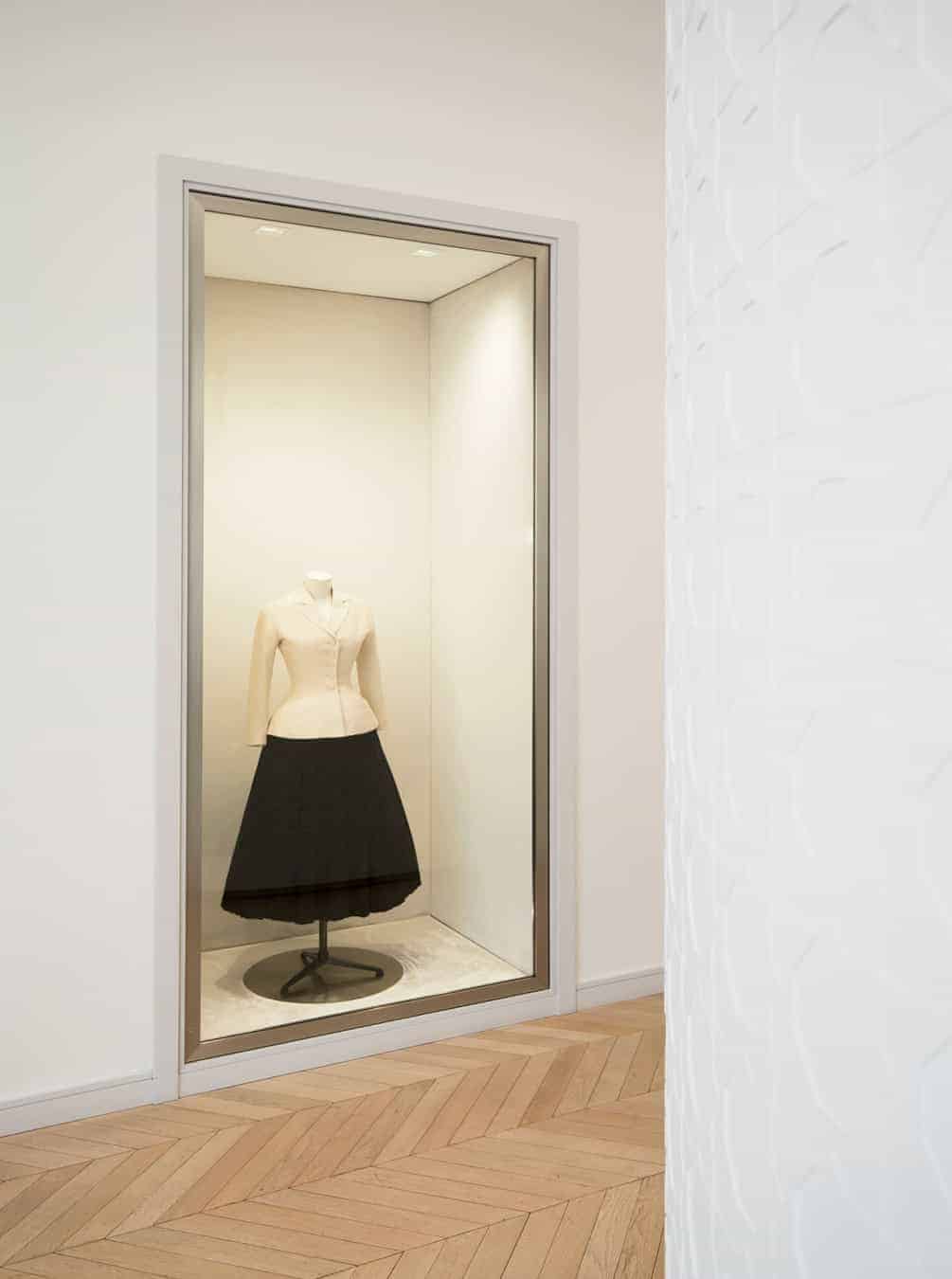
Tucked away in a quiet Paris courtyard behind a frosted glass façade is the Dior archive. It’s a short walk from the Avenue Montaigne flagship store, which is bustling with shoppers eager to buy pieces from Jonathan Anderson’s debut collections, but here, the atmosphere is different. All is serene. The famous 1947 Bar suit is displayed in a glass vitrine at the entrance. It’s one of several heritage reproductions created in the haute couture studio over the years for exhibitions and displays.
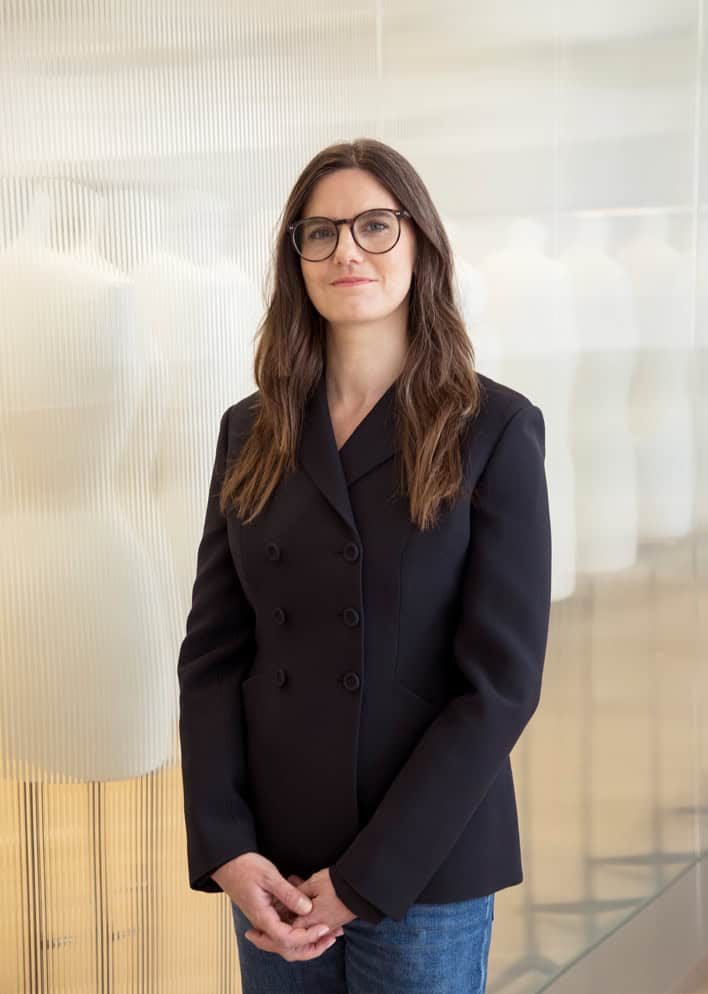
“We don’t have an original one in the collection,” explains Perrine Scherrer, director of heritage. That sounds shocking, but until 1987, Dior (along with many luxury houses) didn’t have a formal archive and keeping design samples – even ones as legendary as the Bar suit – wasn’t standard practice. The Metropolitan Museum of Art in New York has the 1947 original, which was noted for its shawl collar. Later 1950s re-editions have a notched collar, and you can see them at the V&A in London and Musée des Arts Décoratifs in Paris. “The oldest one we have in the collection is one that was remade in 1987, for [then creative director] Marc Bohan’s spring/summer haute couture show,” she says. That collection honoured 40 years of Dior and, Scherrer notes, the shoulders have a tangible ’80s silhouette. Later reproductions are more faithful to the 1947 original.
A significant year for the heritage of the house is 1987. To mark Dior’s 40th anniversary, the Musée des Arts Décoratifs staged a blockbuster retrospective with most of the exhibits coming not from the house, but from museum collections and private individuals around the world. That show, and the huge public response to it, is what spurred Dior to create its own archive. Prior to 1987, the sketches, documents and garments the house possessed were scattered across various studios and offices. After that year, they were collected in one place for the very first time.
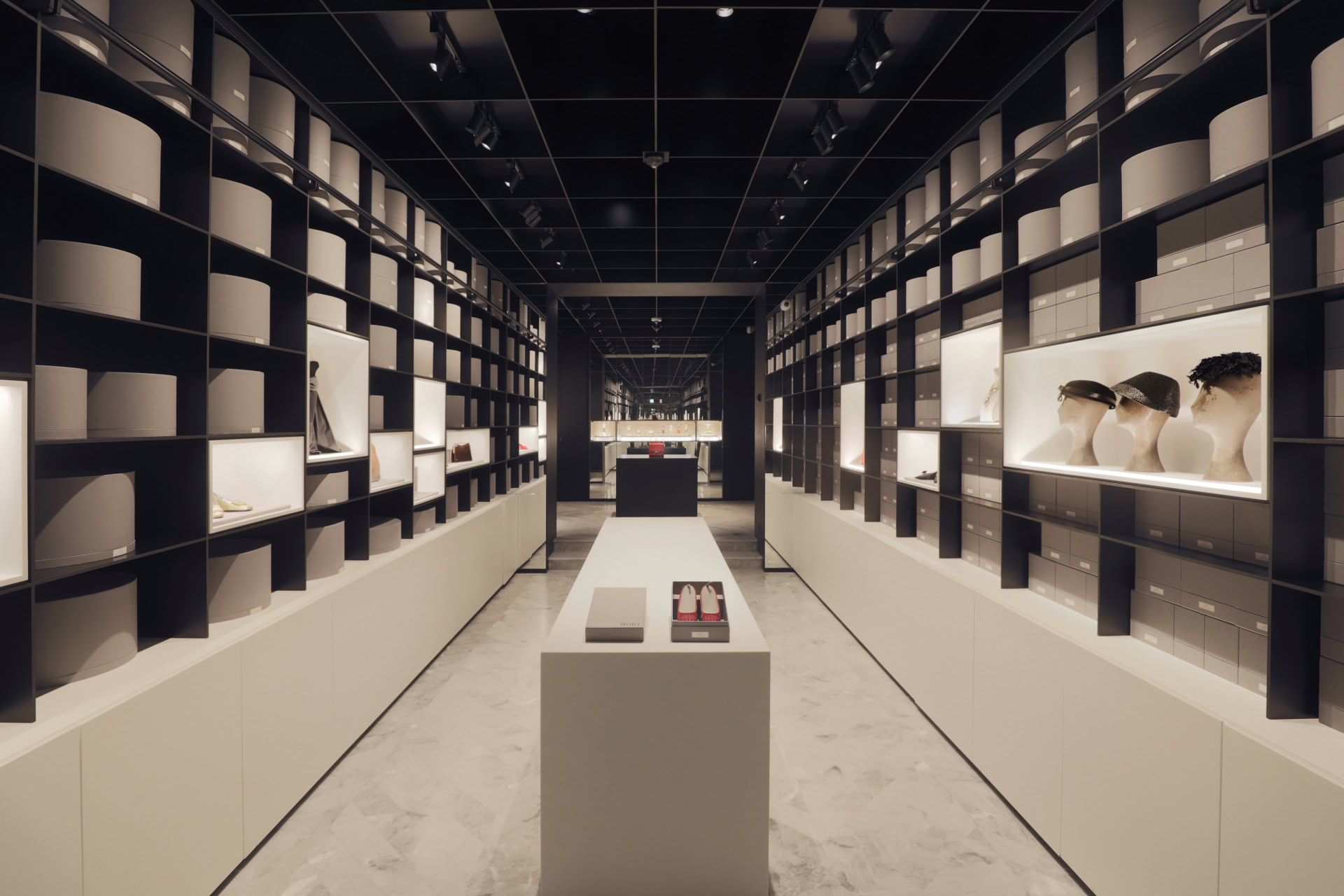
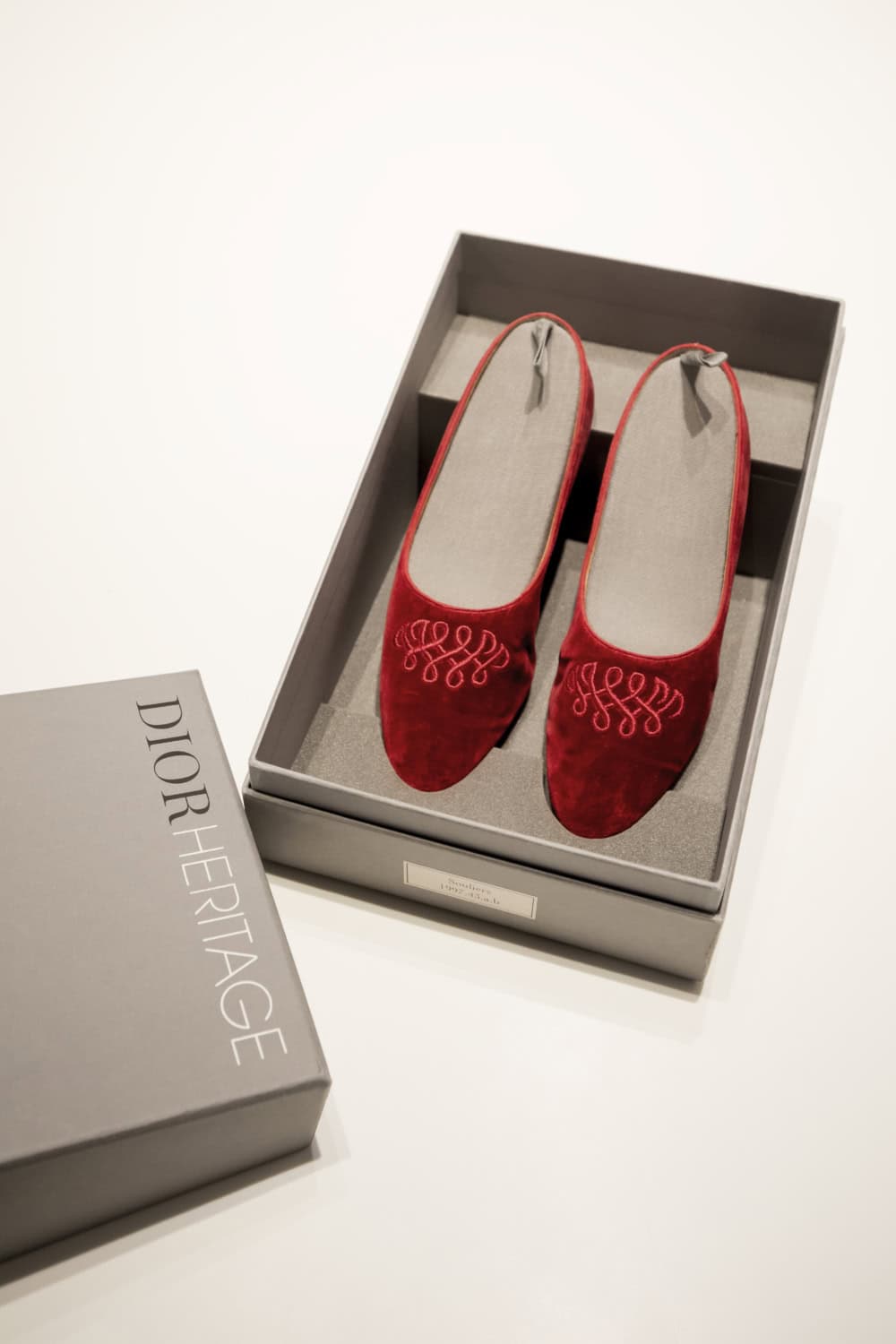
Today, the Paris archive houses garments from Mr Dior’s era. They are hung in special dust bags on custom, padded bodices and kept in temperature-controlled rolling wardrobes (at a constant 21°C). There are drawers full of sketches by Mr Dior and Yves Saint Laurent, as well as a room dedicated to vintage fragrance bottles and accessories (from the Duchess of Windsor Wallis Simpson’s shoes to costume jewellery from early fashion shows). Each is stored in custom-built, Dior-grey boxes, which inspired the current creative director, Jonathan Anderson, who has brought them and their vintage typography back into focus for a modern audience.
Shortly after its 1987 inception, the estate of Grace Kelly, Princess of Monaco, donated two of her Dior couture pieces to the archive and ever since the house has sought to buy back originals from auction houses and individuals. The Junon dress was bought in 1989. It belonged to an American client, Claire Newman. “She was the same size as the model who presented the dress, and it appears that we have the prototype, which is rare because [back then] we didn’t keep them,” says Scherrer. Couture prototypes are most valuable to the archive, she explains, as they represent the purest vision of the designer.
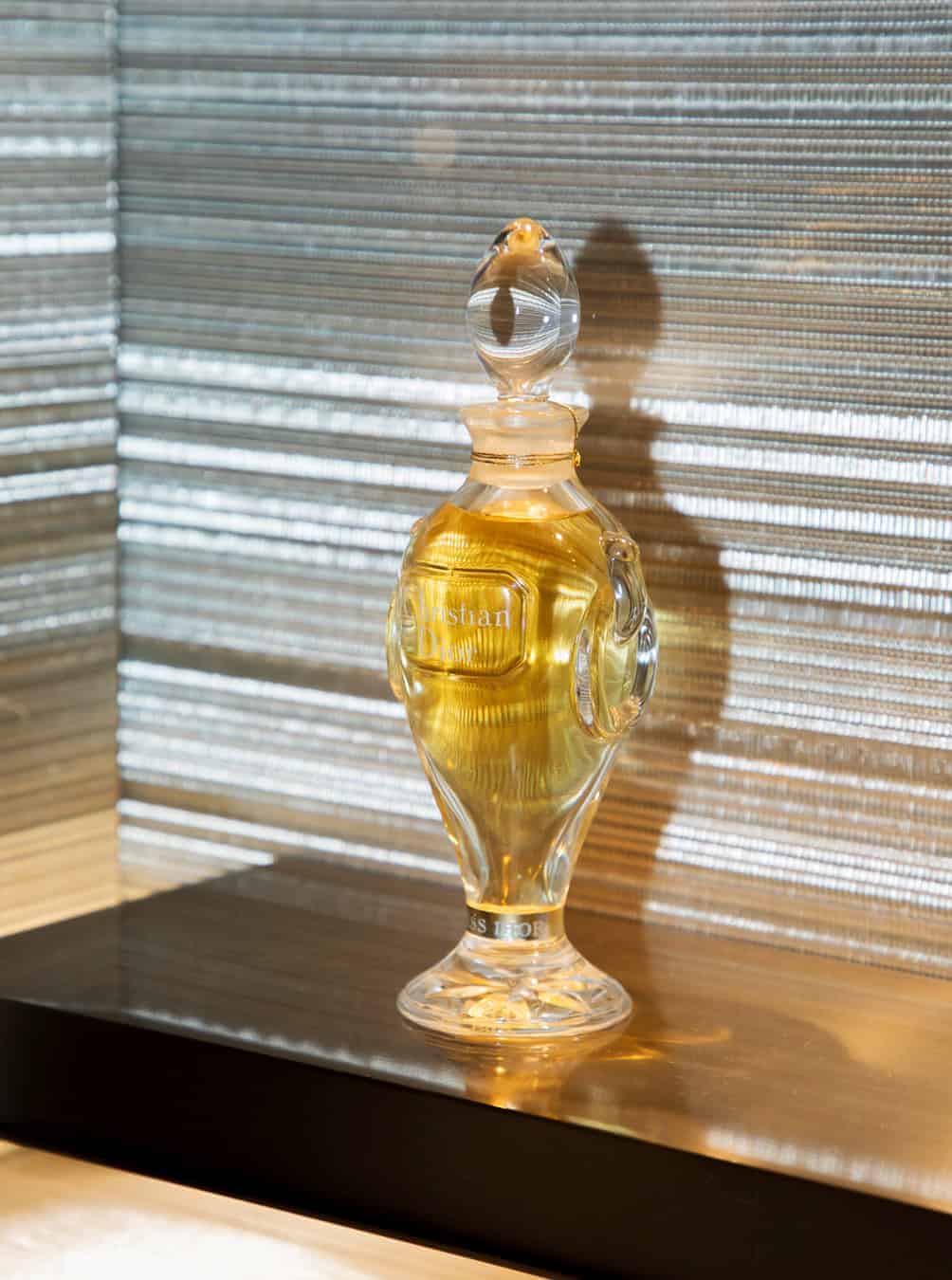
Acquisition is a major part of the heritage department’s work, with a dedicated member of the team researching and identifying what to buy. The collection has gone from a handful of items in 1987 to 15,000 looks (which represents about 100,000 individual pieces), plus 15,000 accessories and hundreds of thousands of documents and photographs. “It’s huge,” she concedes, and the archive grows every year. All couture runway looks are preserved, and they will keep Anderson’s entire debut ready-to-wear collections. After that, they will probably revert to the system they had with previous creative directors and consult with the designer and their team on what pieces to archive. The complete archive is far too big to keep at the Paris site, so most of the collection is housed in a second, specially built archive space three hours outside the capital. John Galliano’s supersized couture gowns are a particular challenge, because they must be kept on special tissue-paper bodices, while his delicate bias-cut slip dresses must be stored flat. Garments go back and forth between the two sites for conservation or to be prepped for exhibitions (the archive works closely with museums and institutions as well as the Galerie, Dior’s dedicated museum space attached to the 30 Avenue Montaigne base).
From left: The workroom where garments are repaired or conserved; Rolling wardrobes house Mr Dior’s original designs
Scherrer and her team seek to preserve not just clothes and accessories but also document the creative process. “We have all the sketches by Christian Dior, Yves Saint Laurent, Marc Bohan and Gianfranco Ferré,” she says. Galliano took a different approach. “It’s more an inspiration book, like mood boards, but in books.” Raf Simons and Maria Grazia also used mood boards rather than sketches to communicate their ideas. As for Anderson, “What we are going to archive, to document his creative process, is something that needs to be defined.” An increasing amount of that material is digital, which presents a challenge for archivists. “We can’t keep everything, but our mission is to make sure all the relevant information is kept and preserved the best way.”
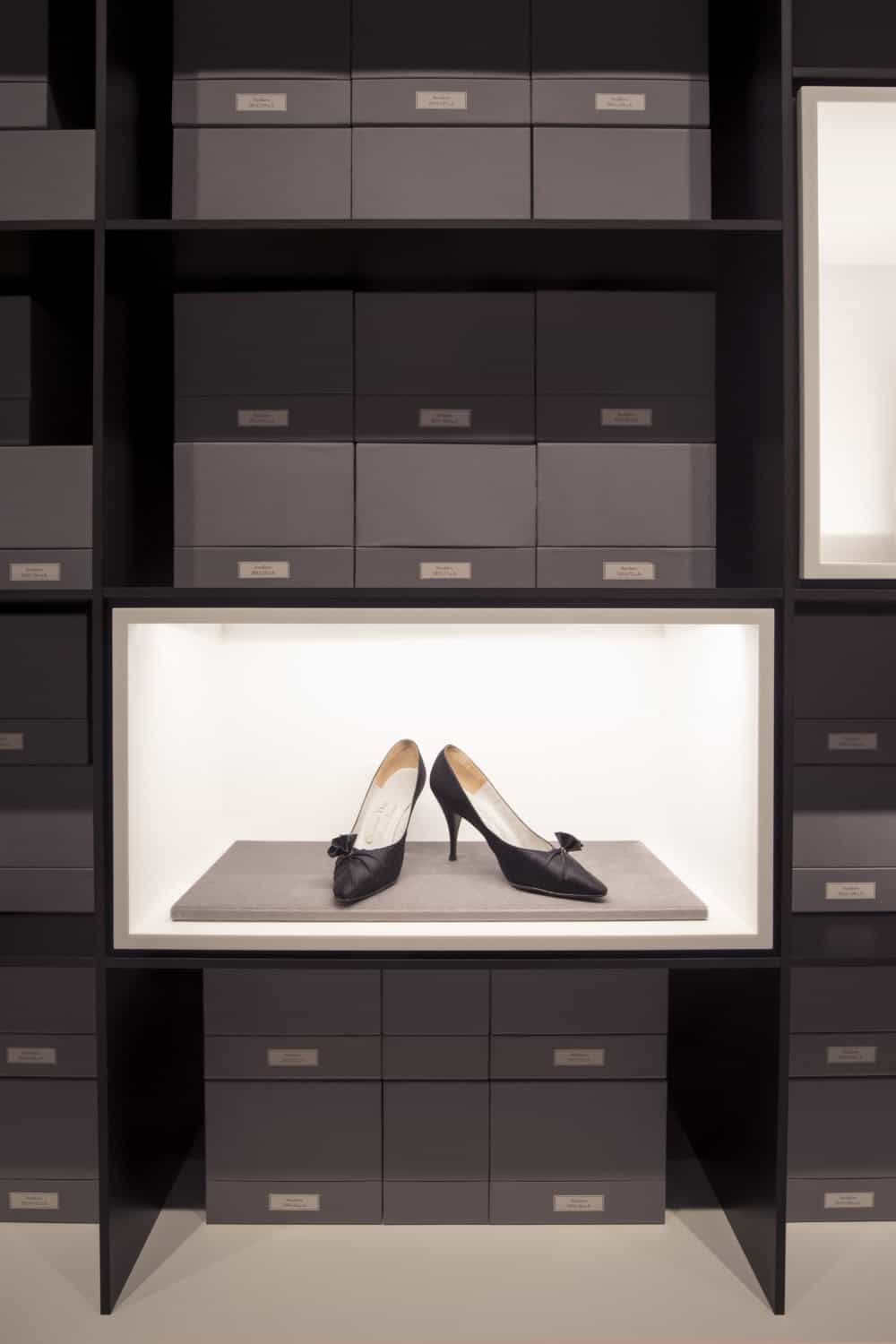
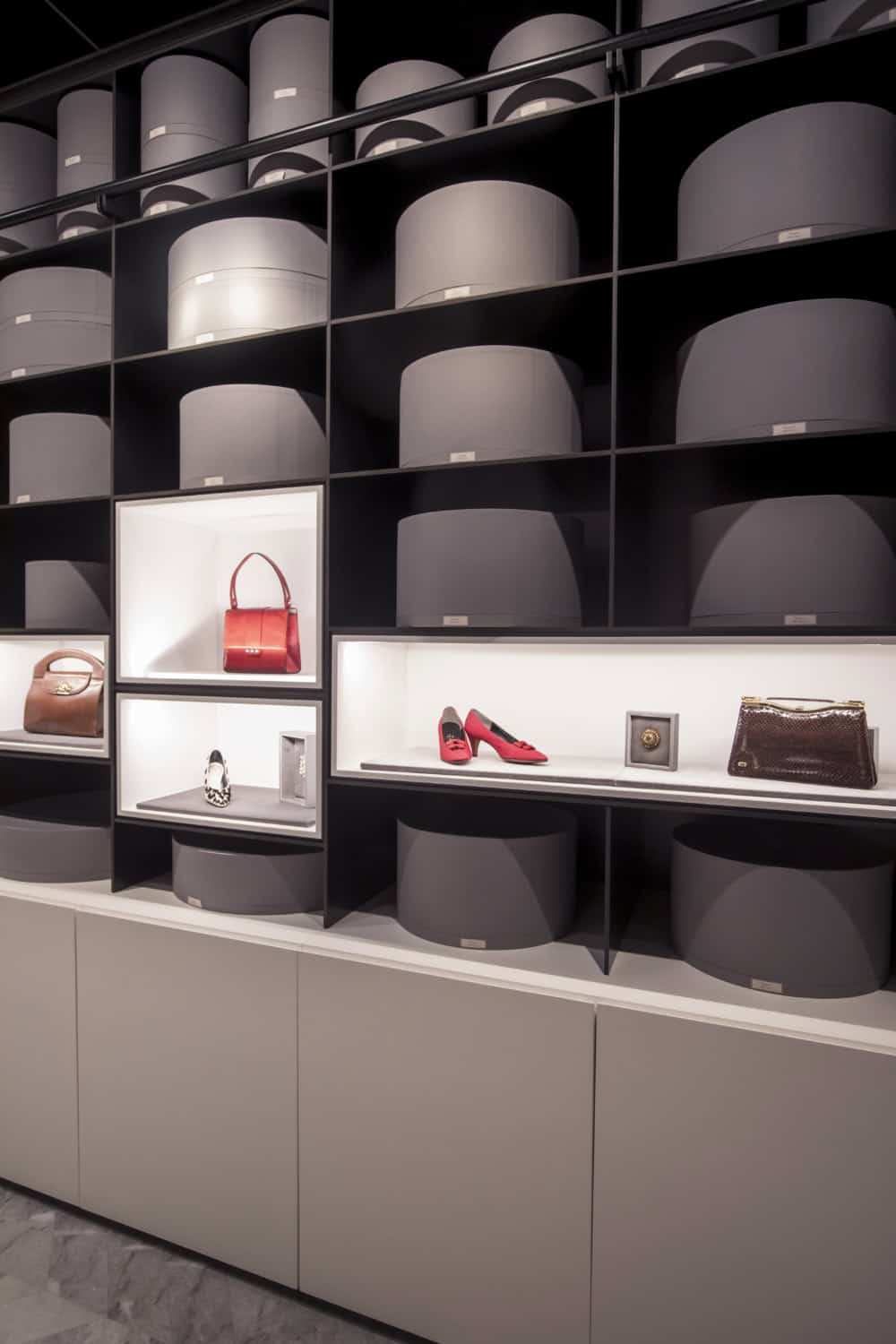
The archive works closely with all of Dior’s creative heads and teams. “We are completely at the service of the creation. We are here to inspire in all senses and this is done every day,” says Scherrer. Requests from the creative teams are wide-ranging. Ahead of the cruise show in Los Angeles, she researched Mr Dior’s connection to the city and the movie industry. “It also can be a period of time, a type of design, a detail,” she says.
The heritage team produce digital research documents and can then pull pieces from the archive for the creative teams to examine in person. But that’s not always possible. “We unfortunately don’t have the Delft dress. It’s nowhere. We don’t know where it is. We only have photographs and sketches,” she explains of the dramatically folded gown created in 1948 that inspired Anderson’s debut men’s and women’s collections. “We sent [Anderson and his team] all the documents we had on this design.” Anderson was also interested in La Cigale, a 1952 design with striking cantilevered hips. The original garment is lost to time (although a heritage reproduction was made last year).
Instead, Scherrer found garments from the same collection with a similar construction for the designer to study. Give and take, past and present: the Dior archive is never static.
Photography by Andre Wolff.