Dior: Menswear AW26
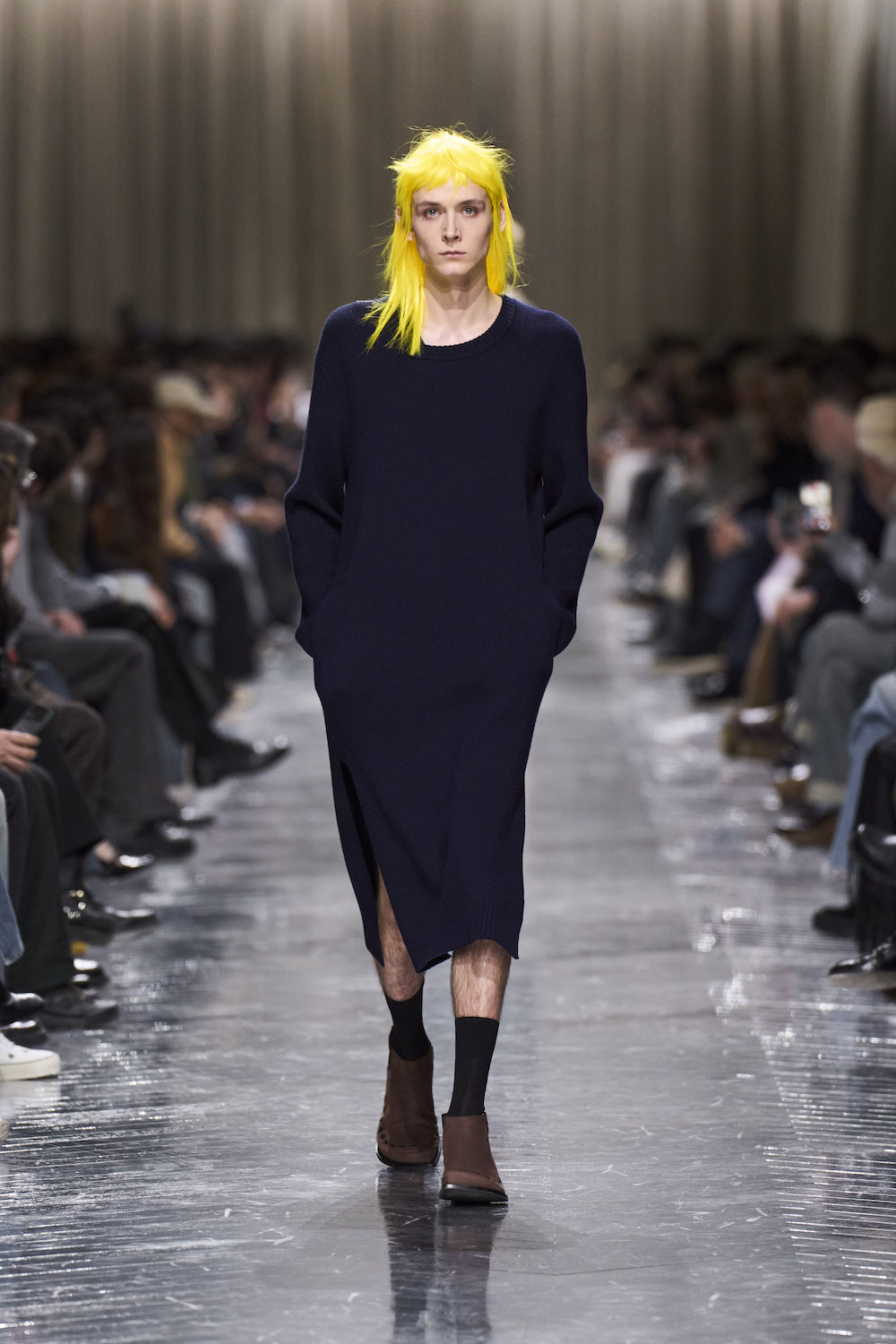
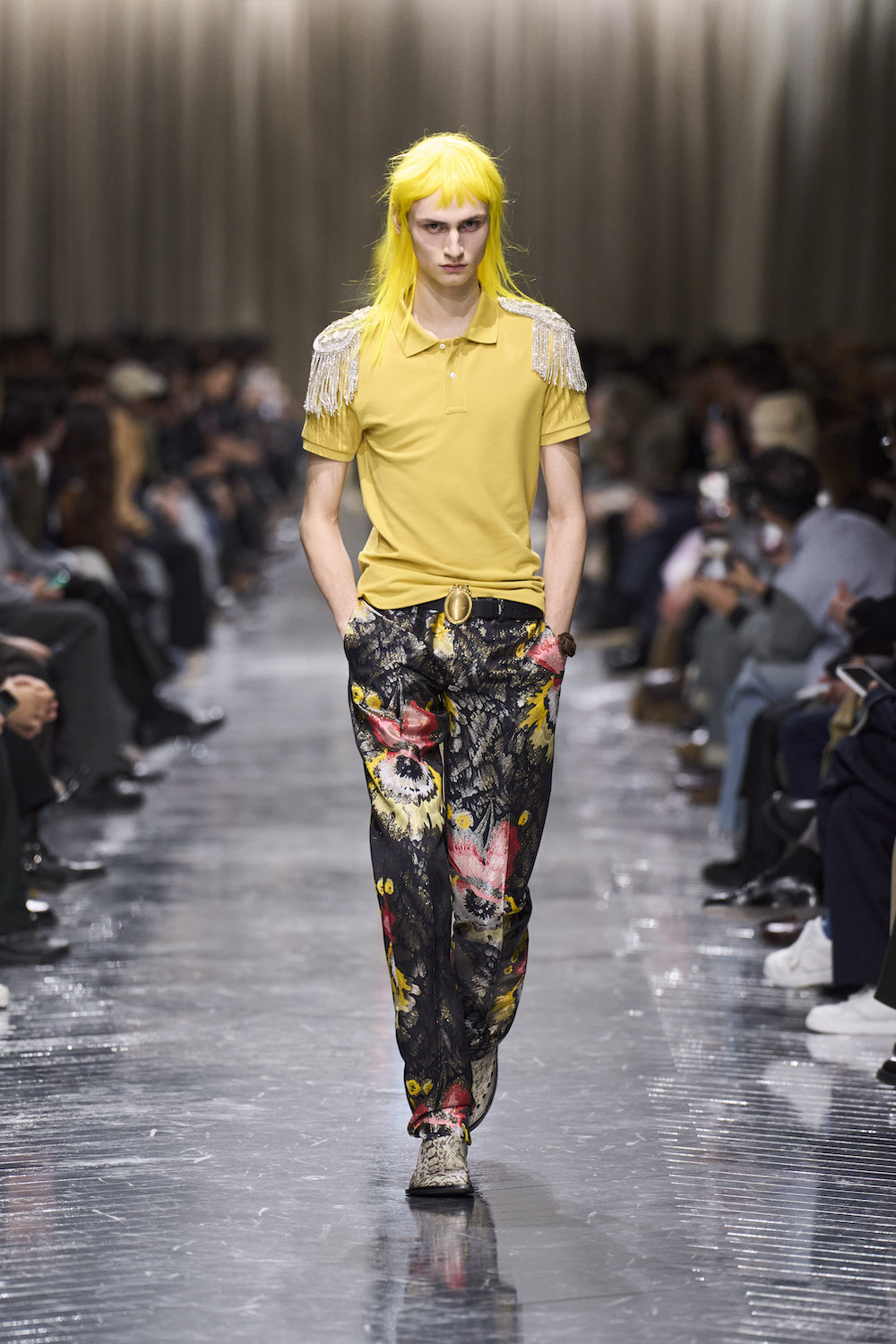
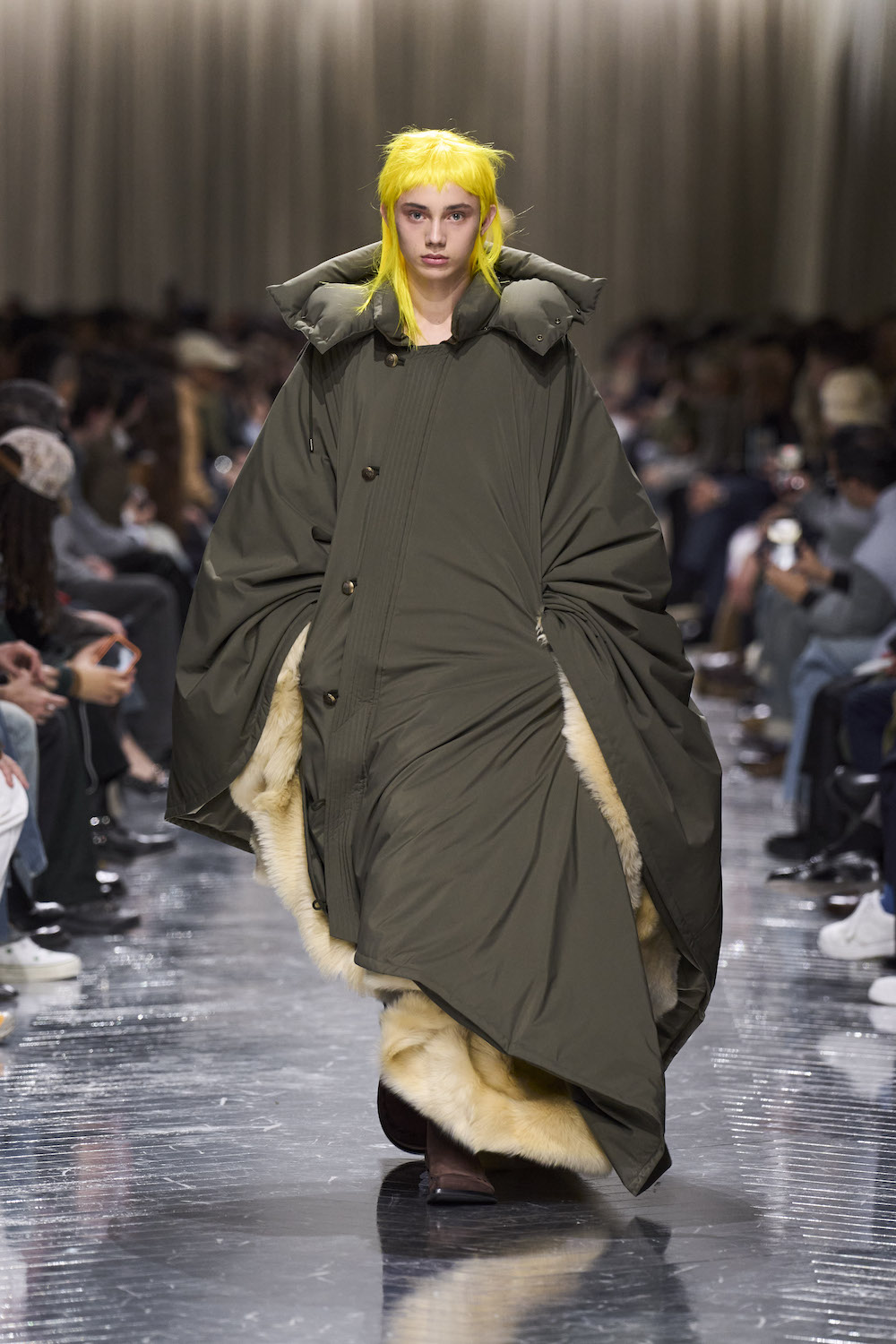
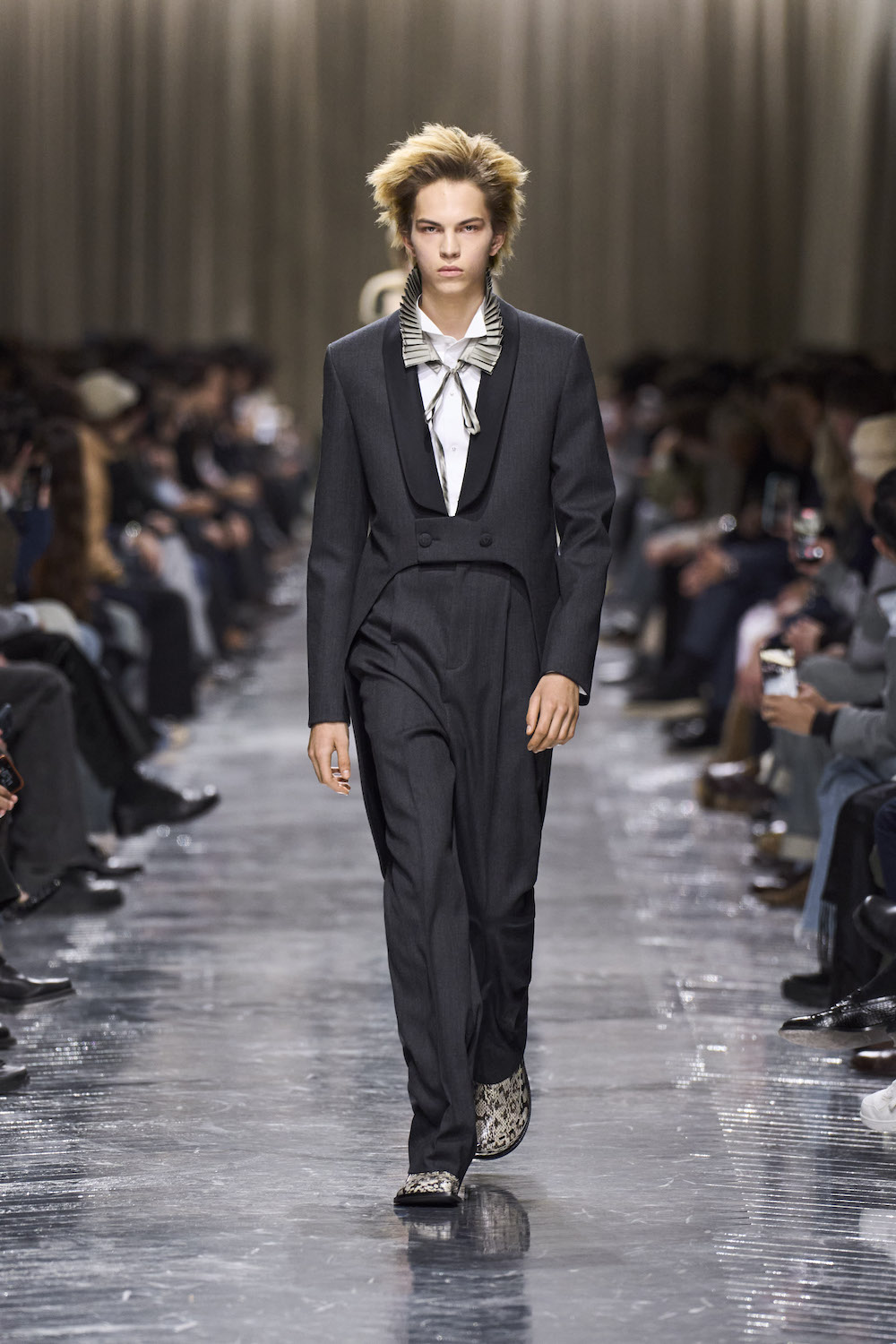
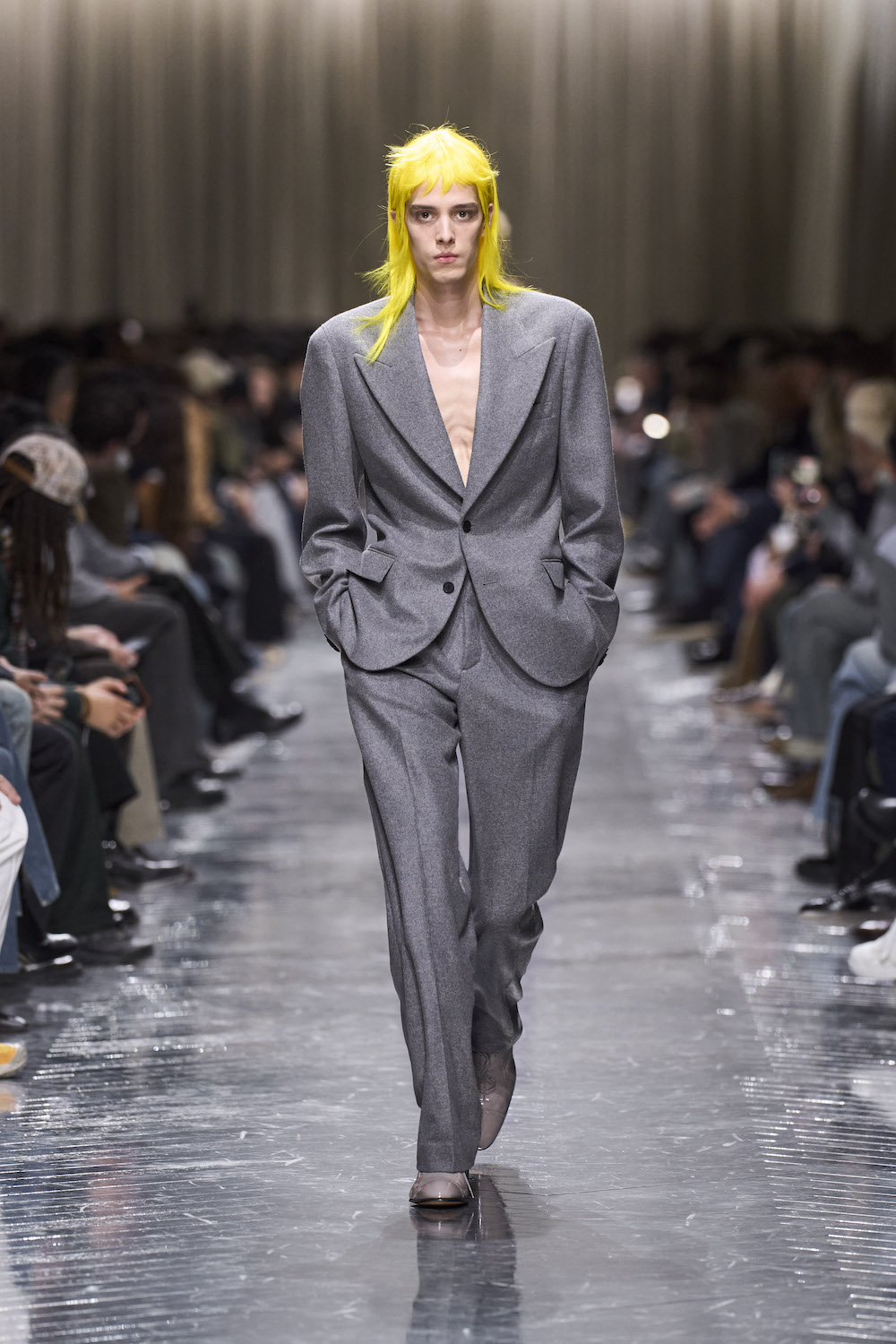
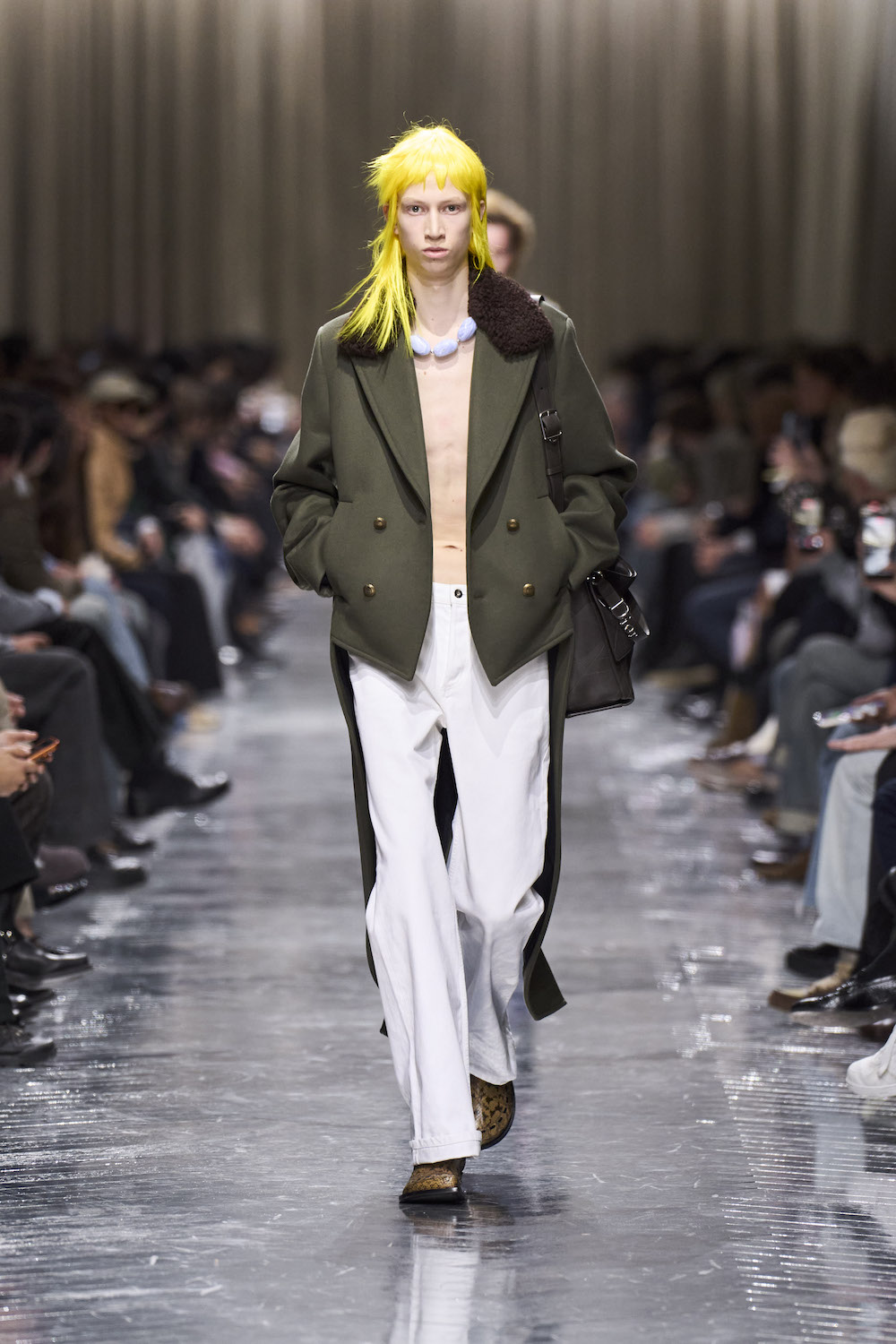
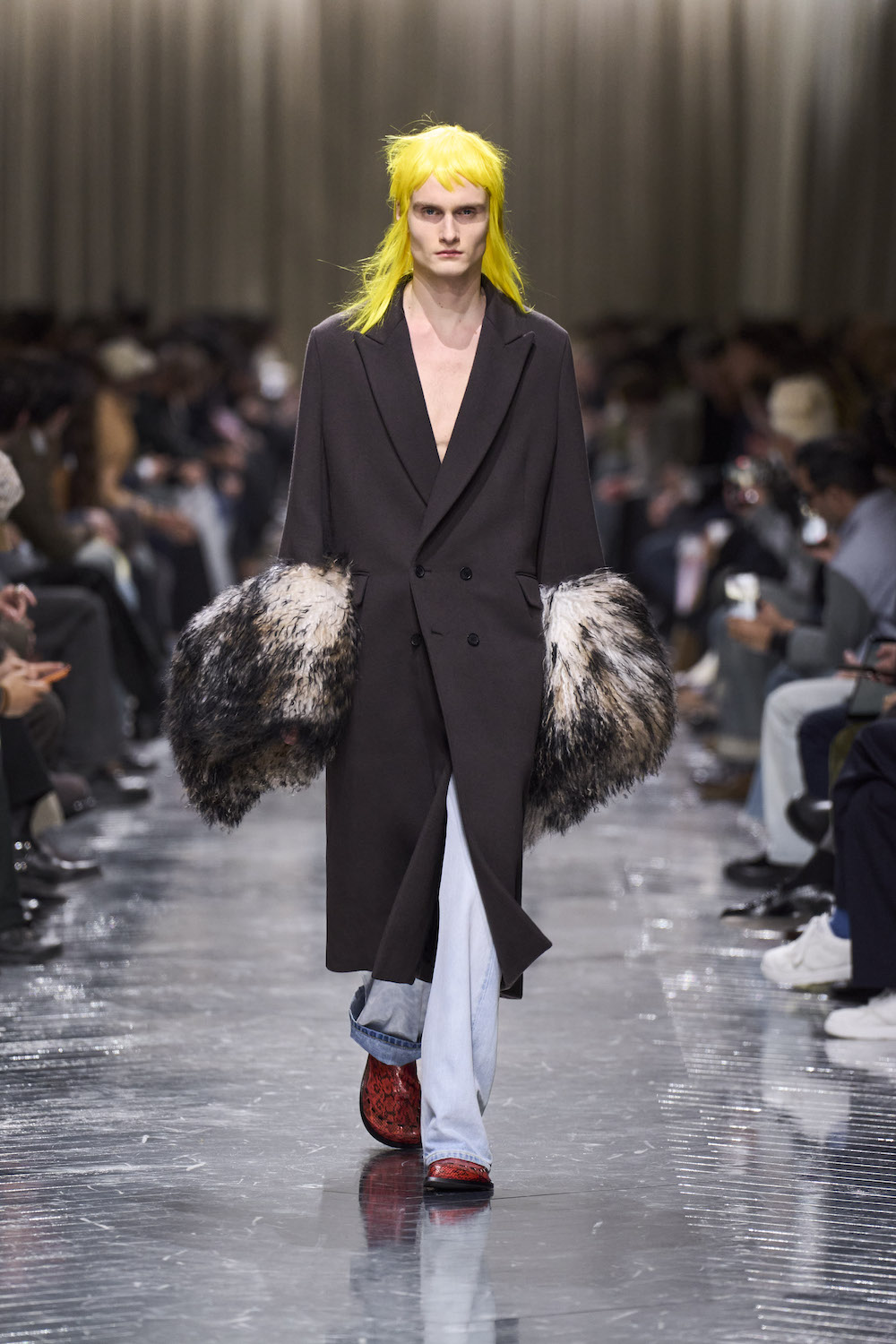
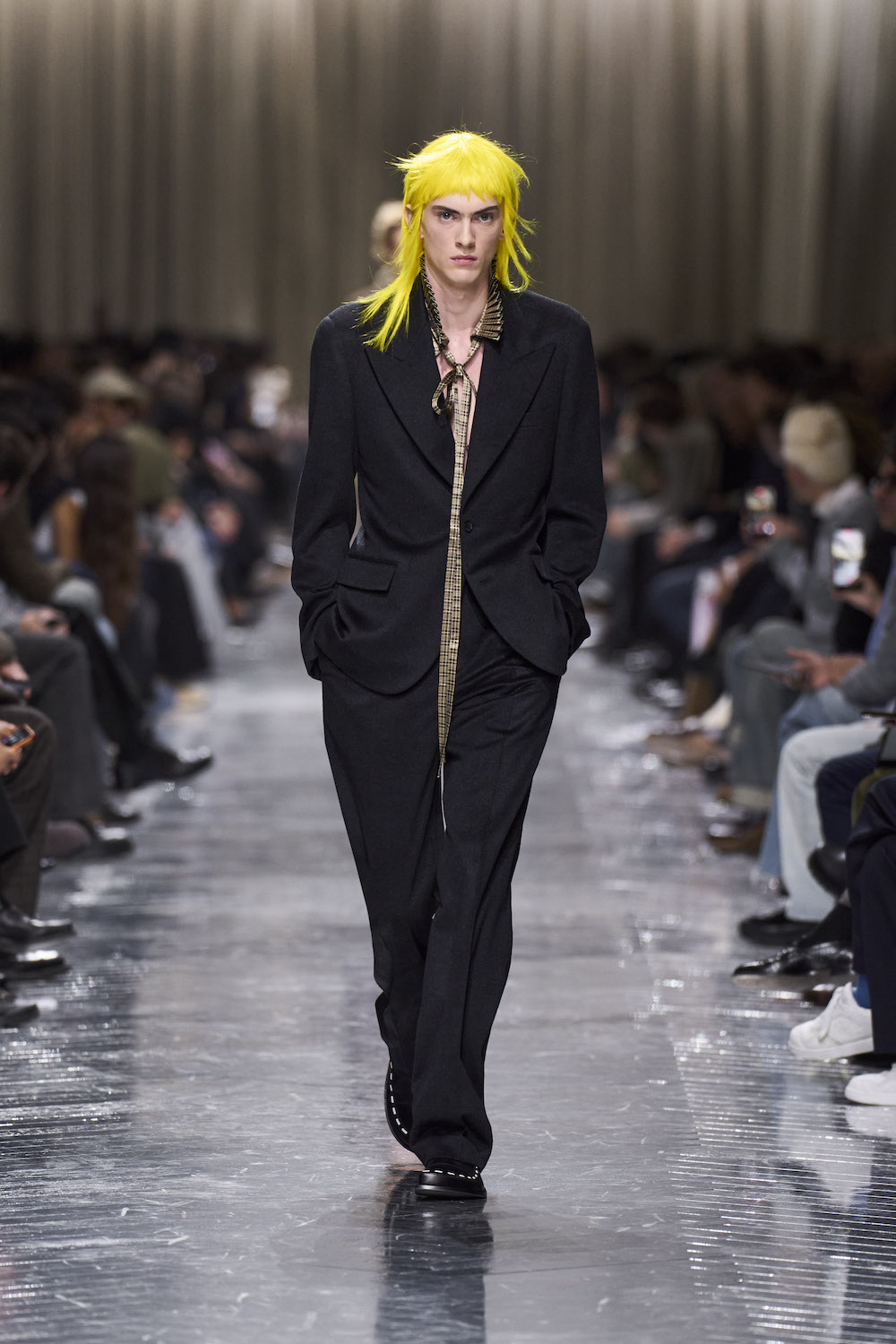
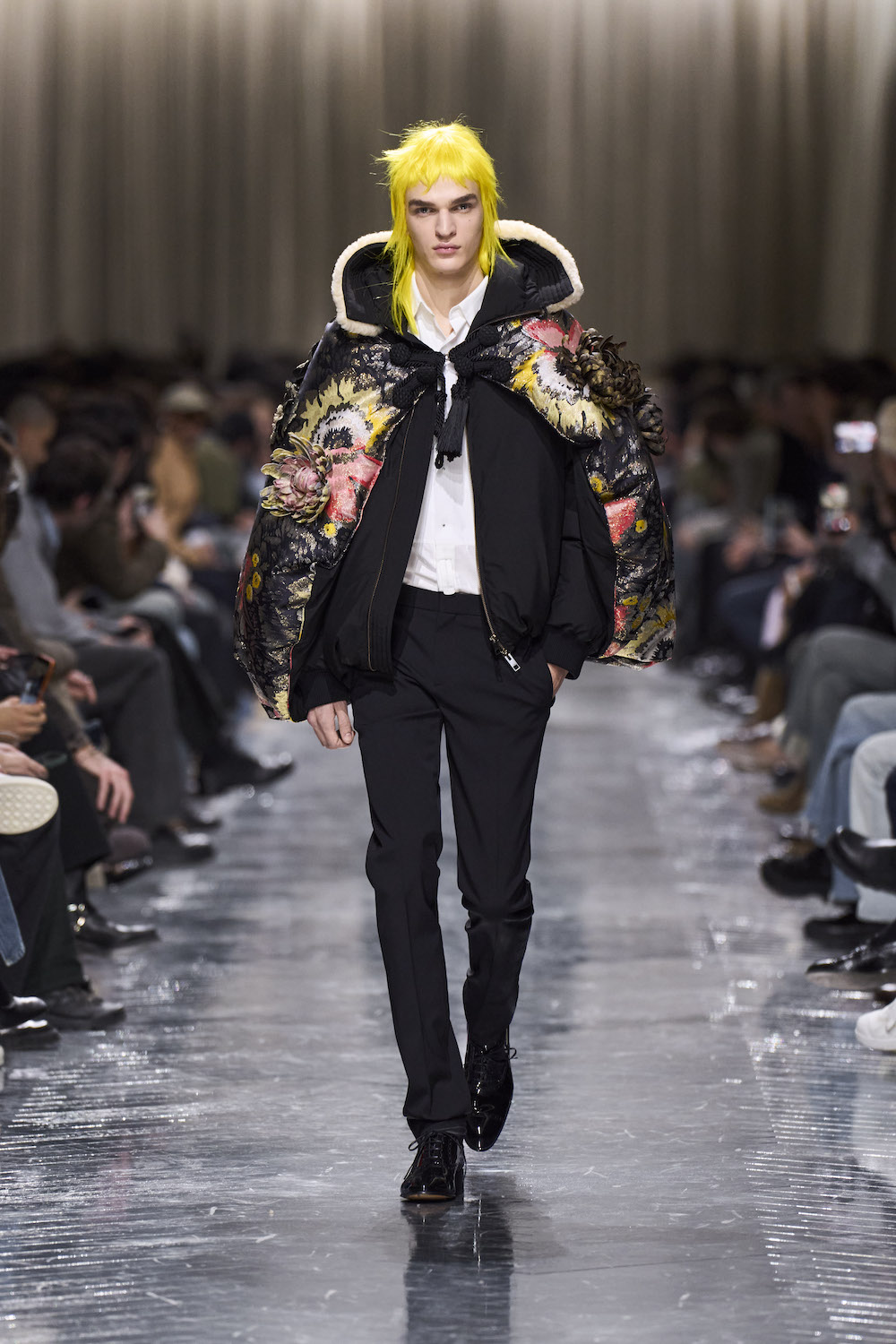
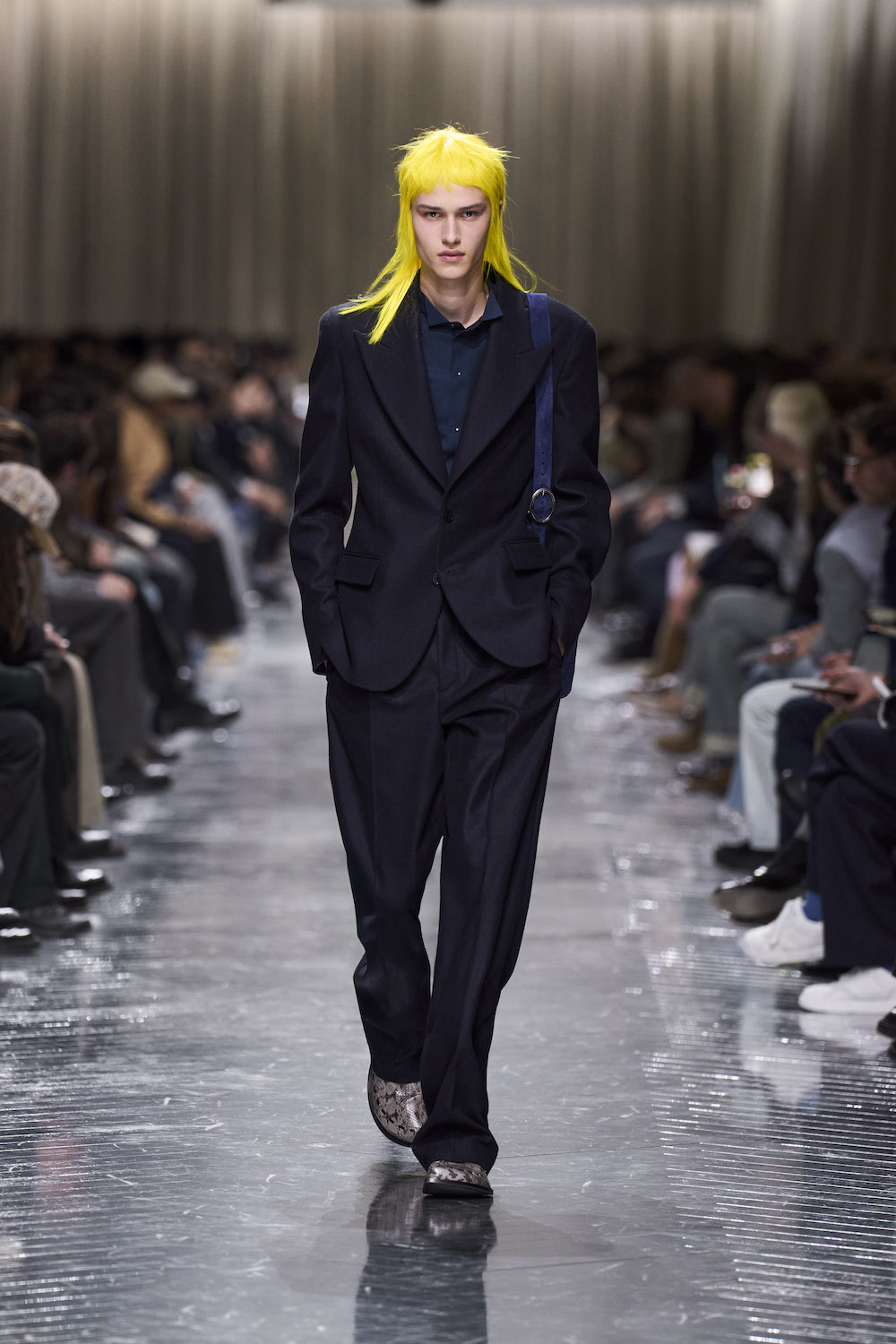
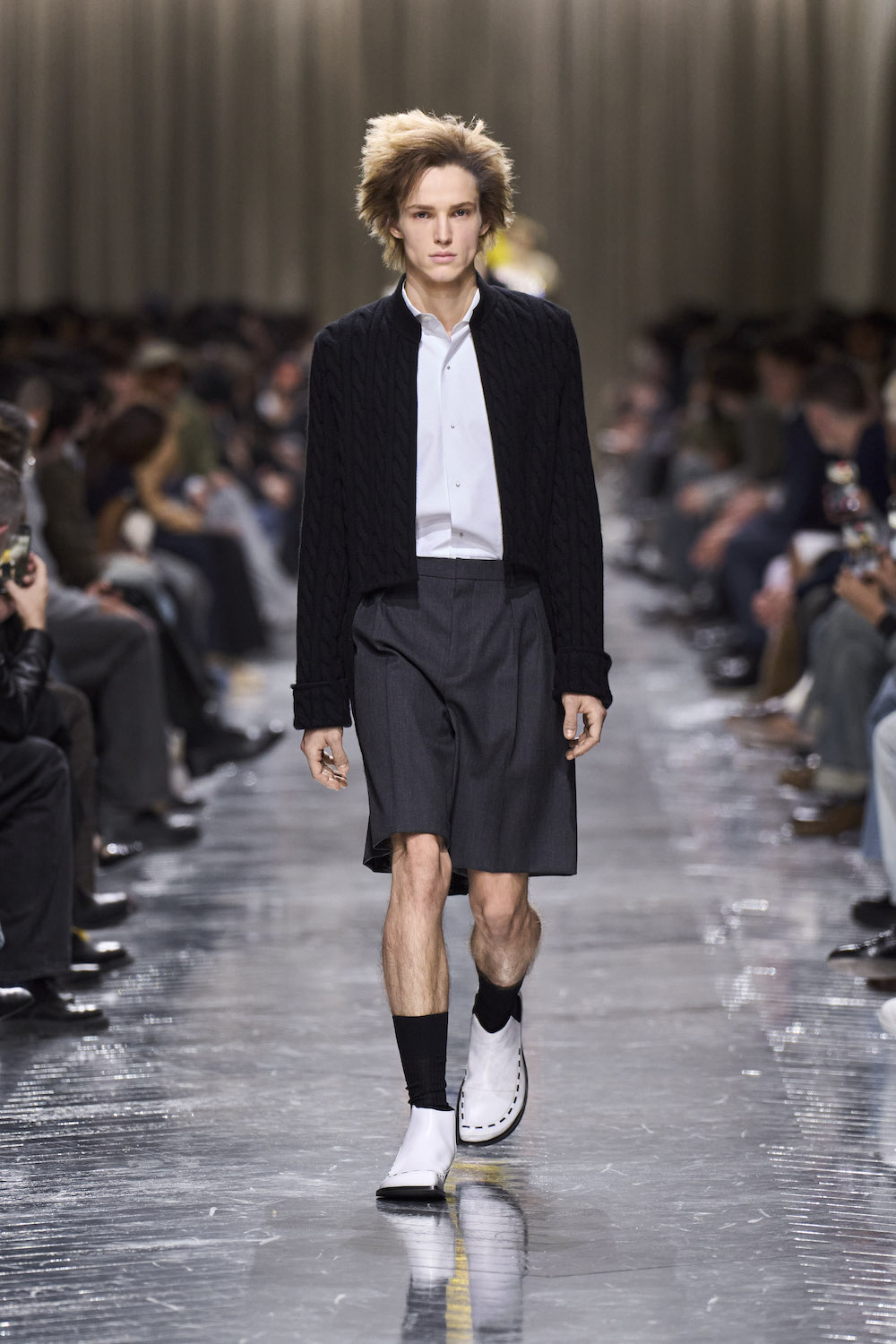
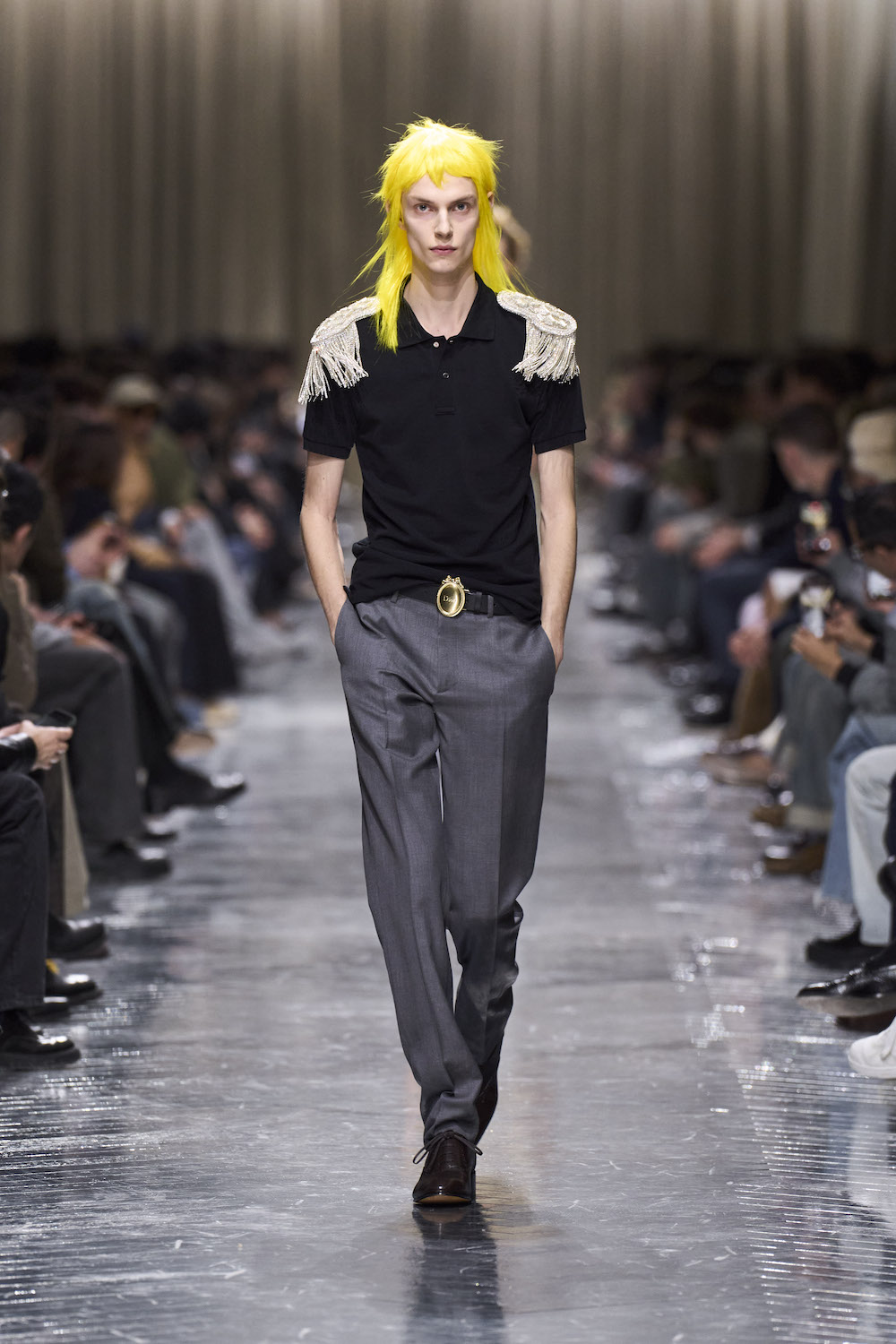
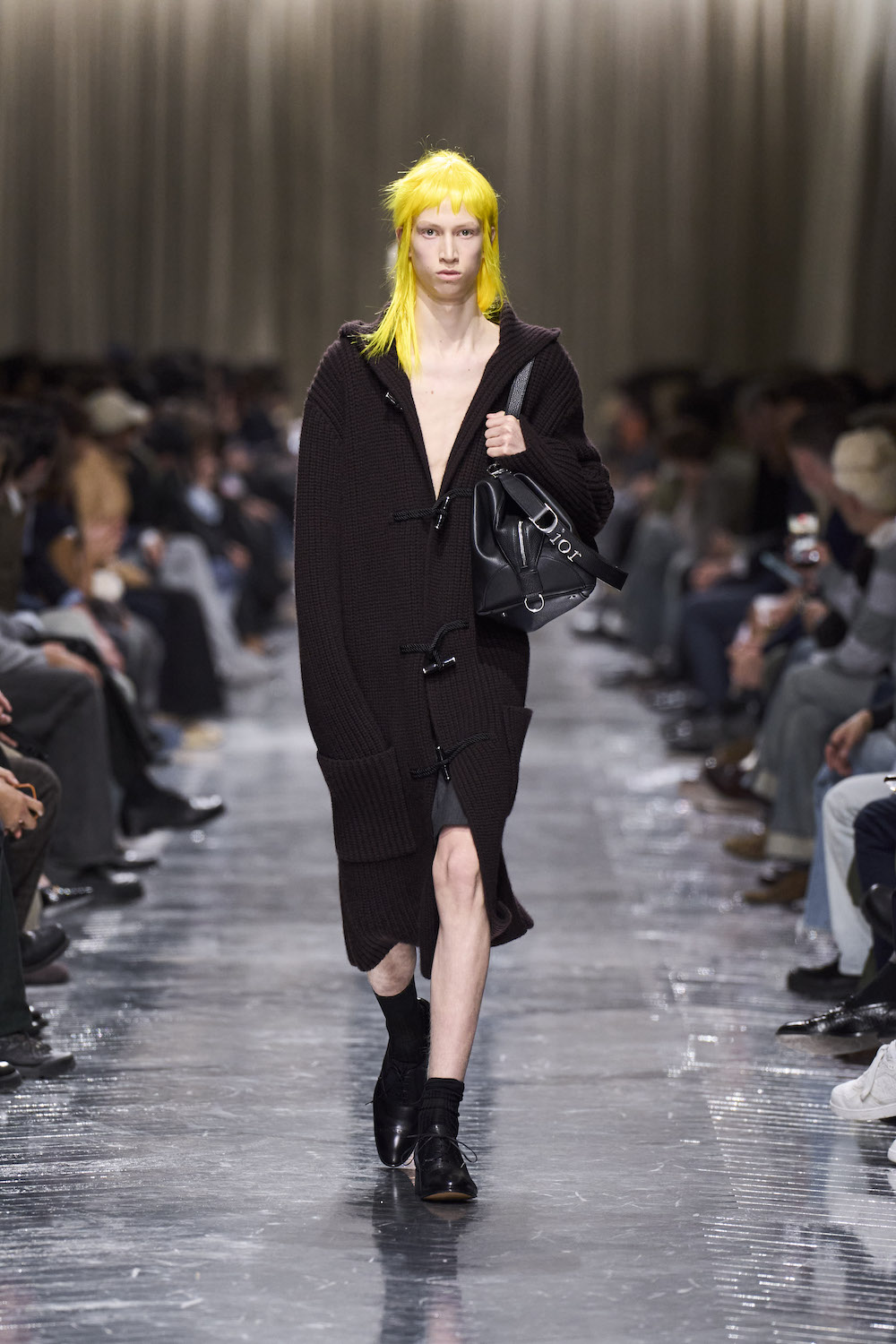
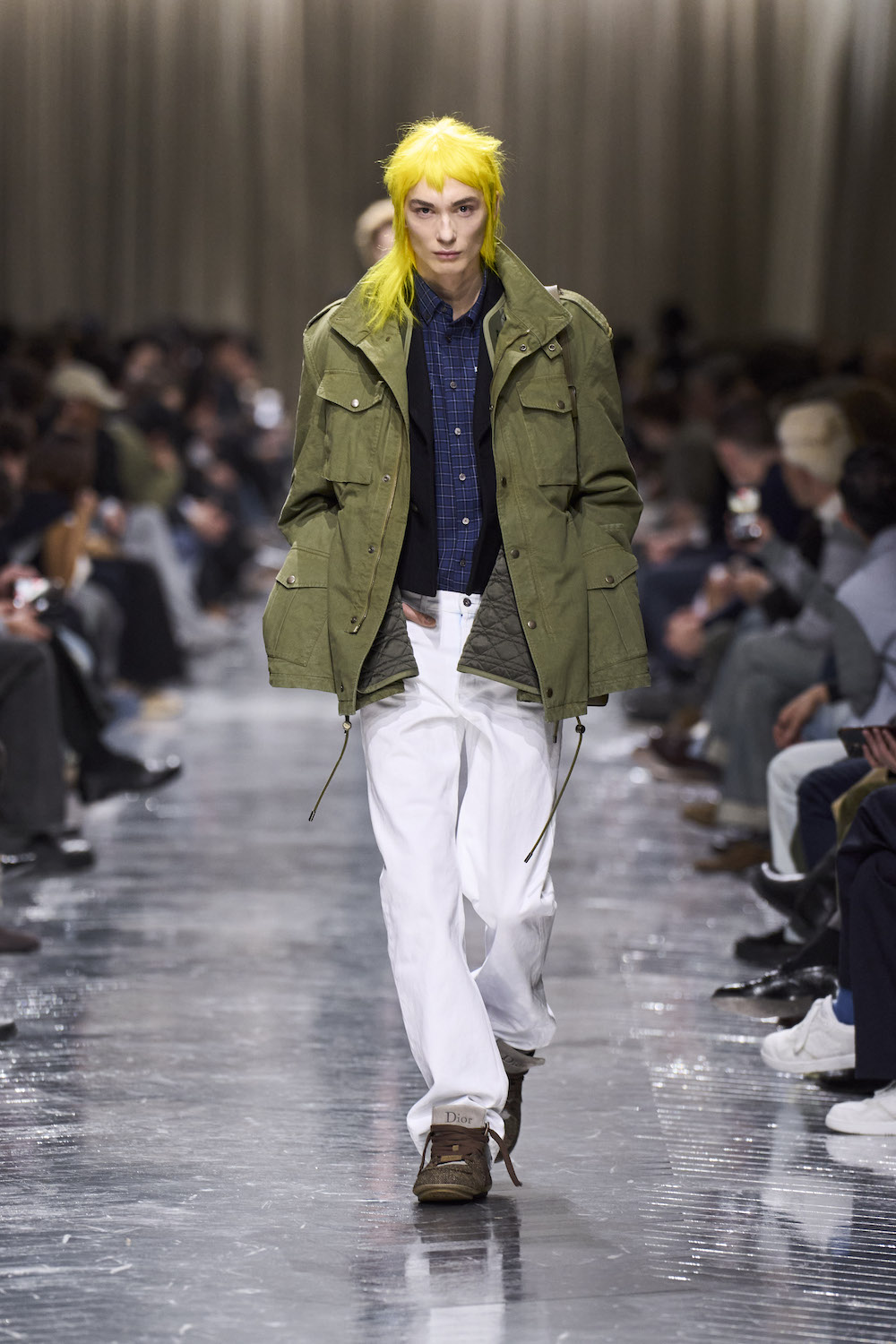
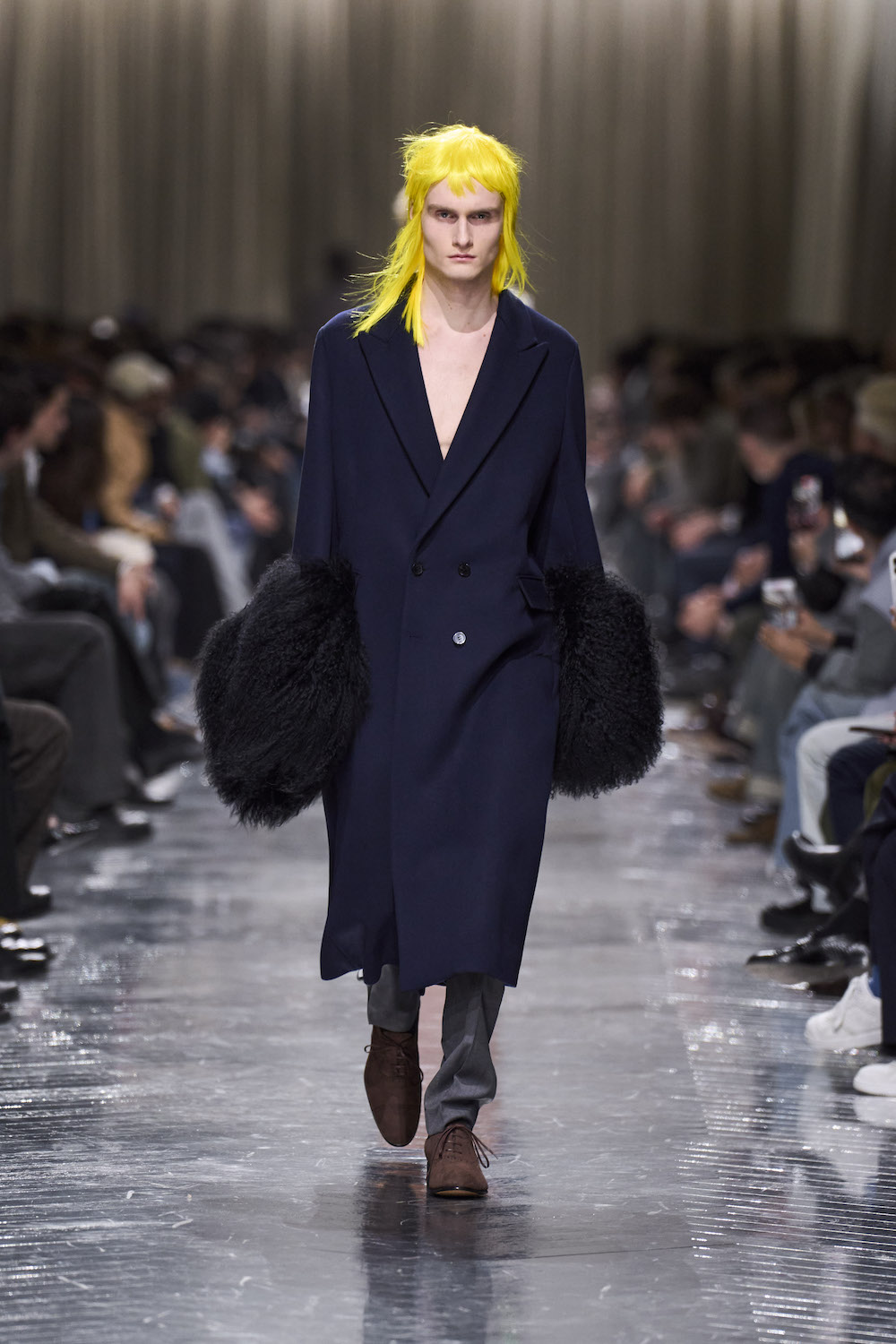
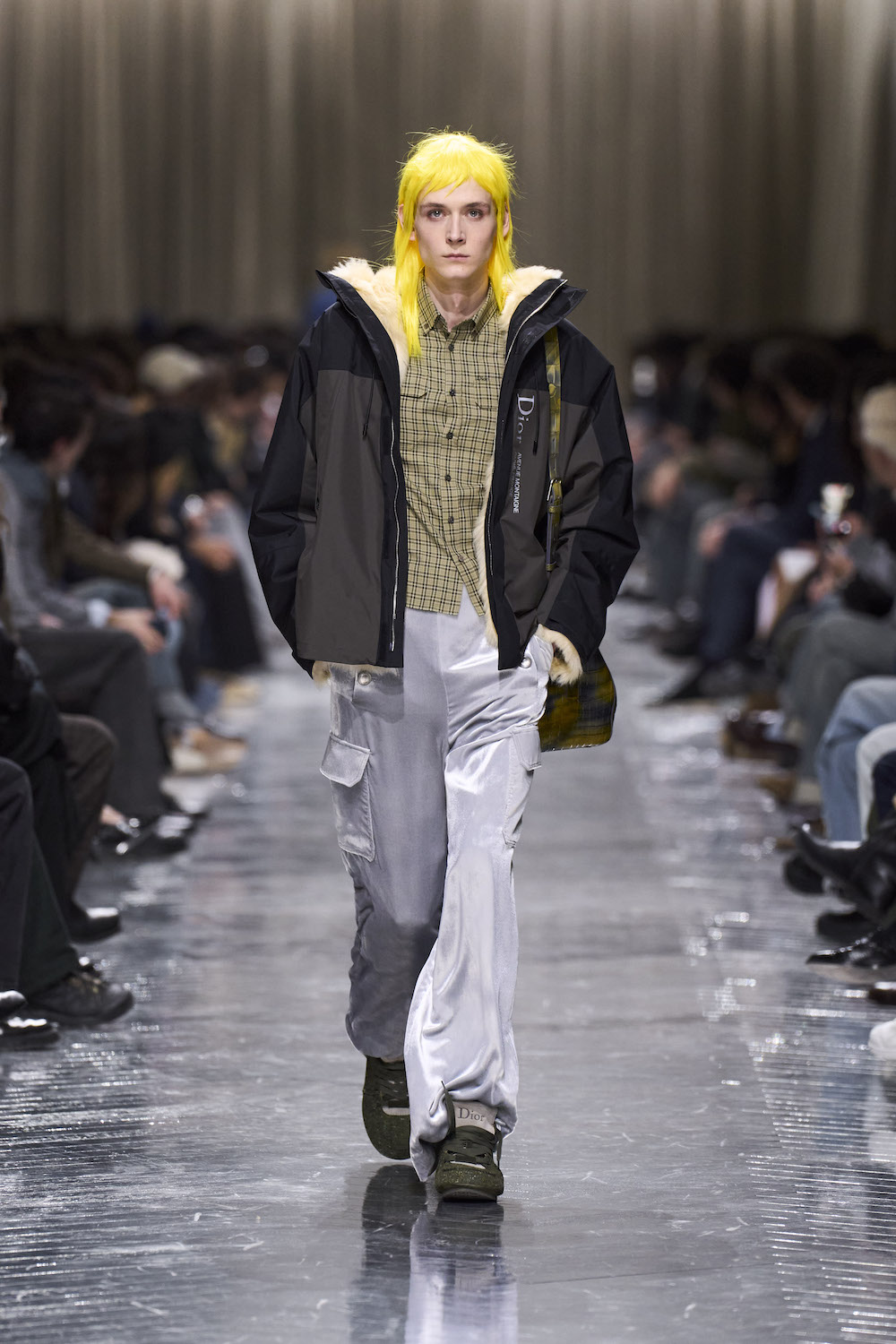
What happened when the pretty boys of Jonathan Anderson’s debut peeled out of their bow ties, dyed their hair acid yellow and chucked on some sparkle? The designer’s sophomore men’s collection for the house, unveiled this afternoon, was daring in its glamour and eclectic in spirit. The show might’ve taken place on what would’ve been Monsieur Dior’s 121 birthday, yet it was the work of another courtier that guided Anderson’s design hand this time around. Paul Poiret spent the early 20th century bringing an air of theatricality to couture, folding in ideas born in North Africa and East Asia into his opulent creations. He famously discarded the corset and was known to hold lavish fancy dress parties for the elite.
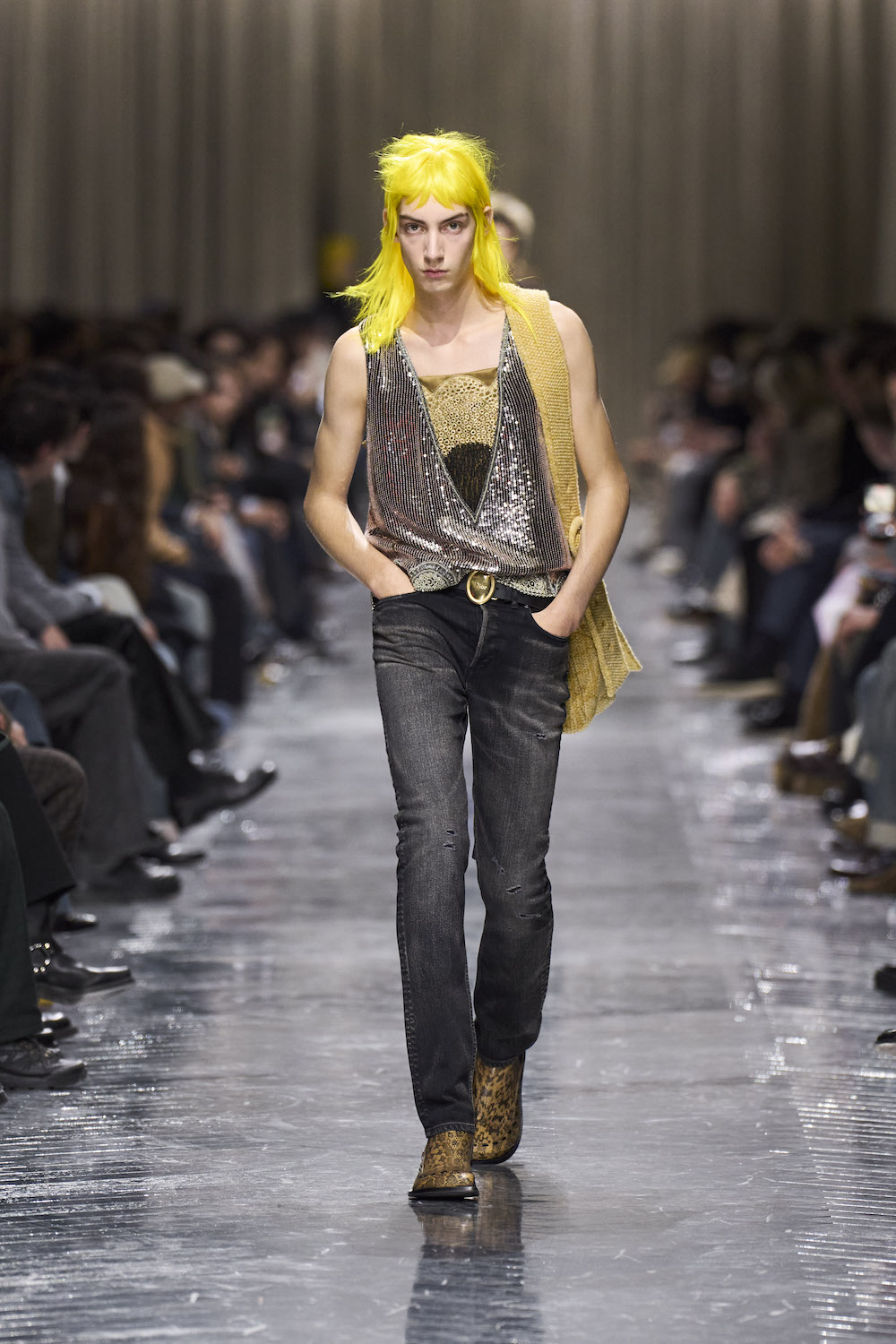
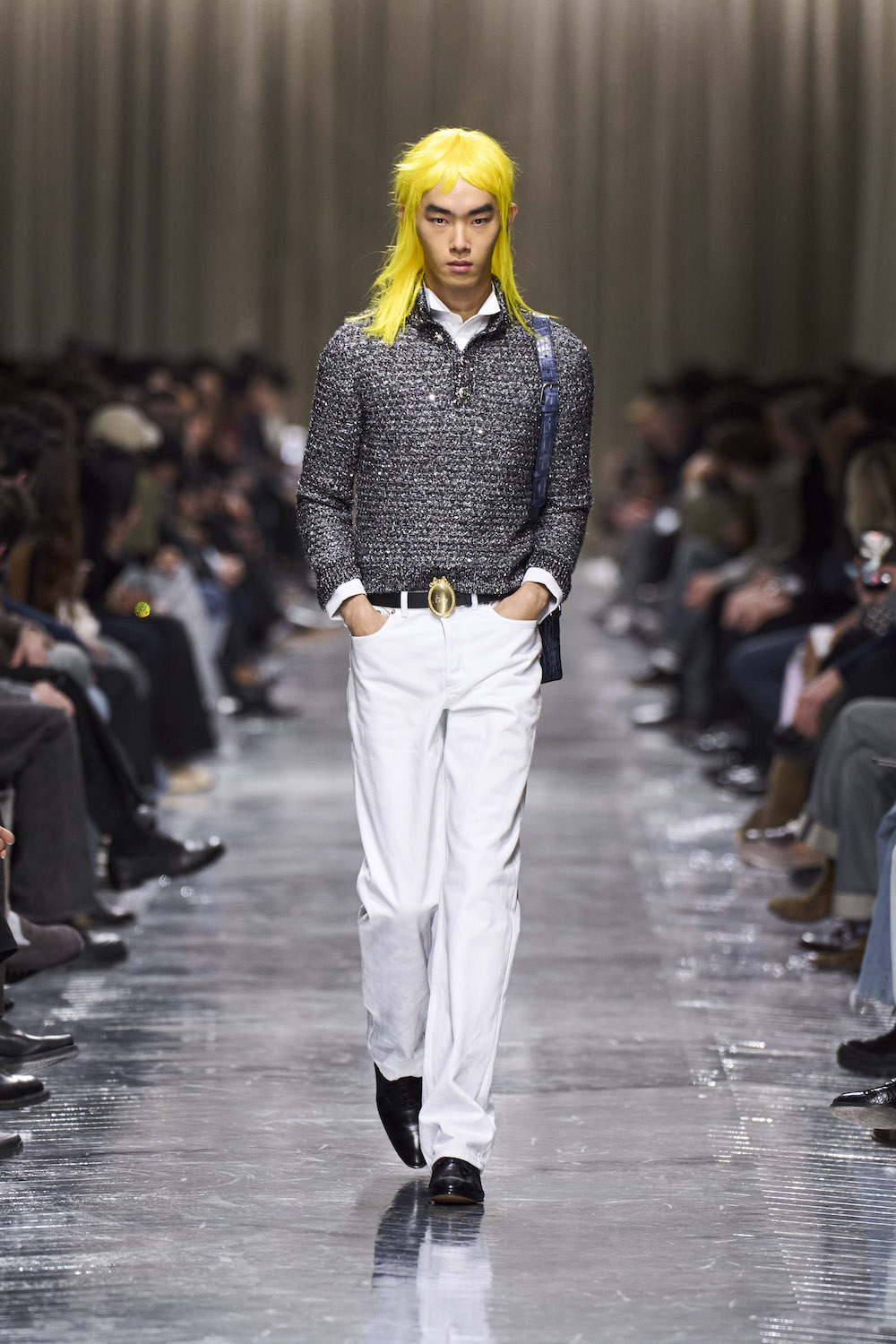
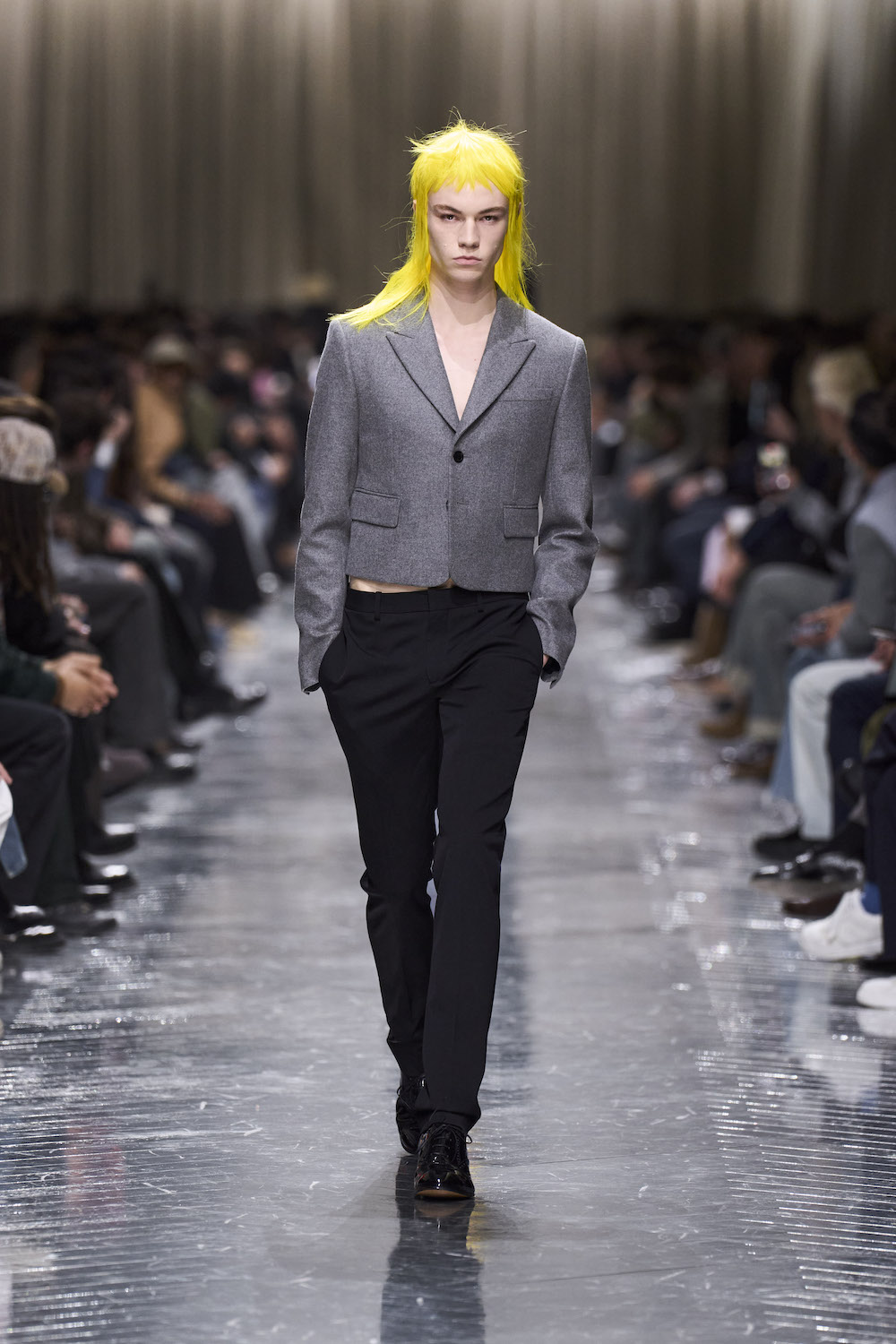
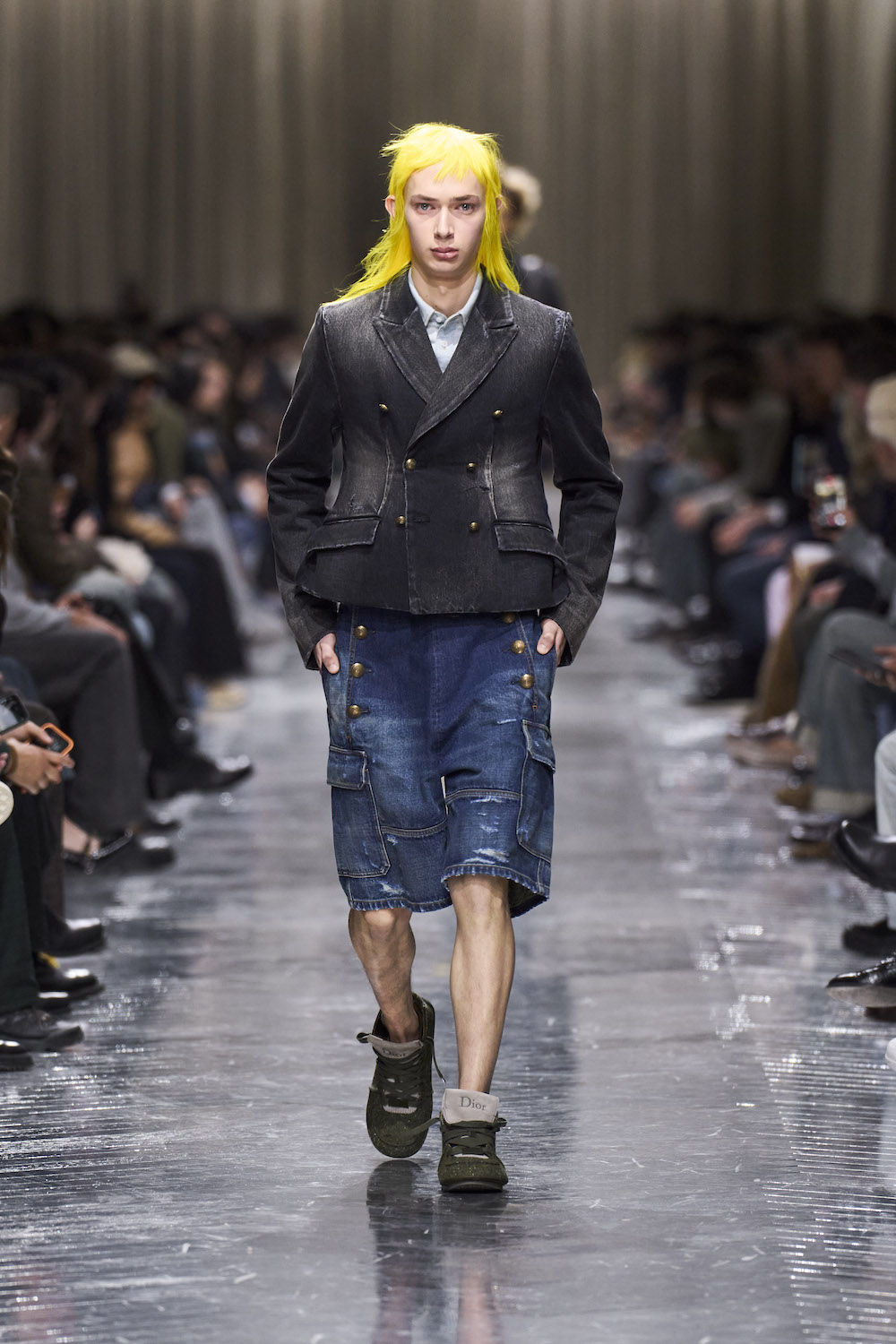
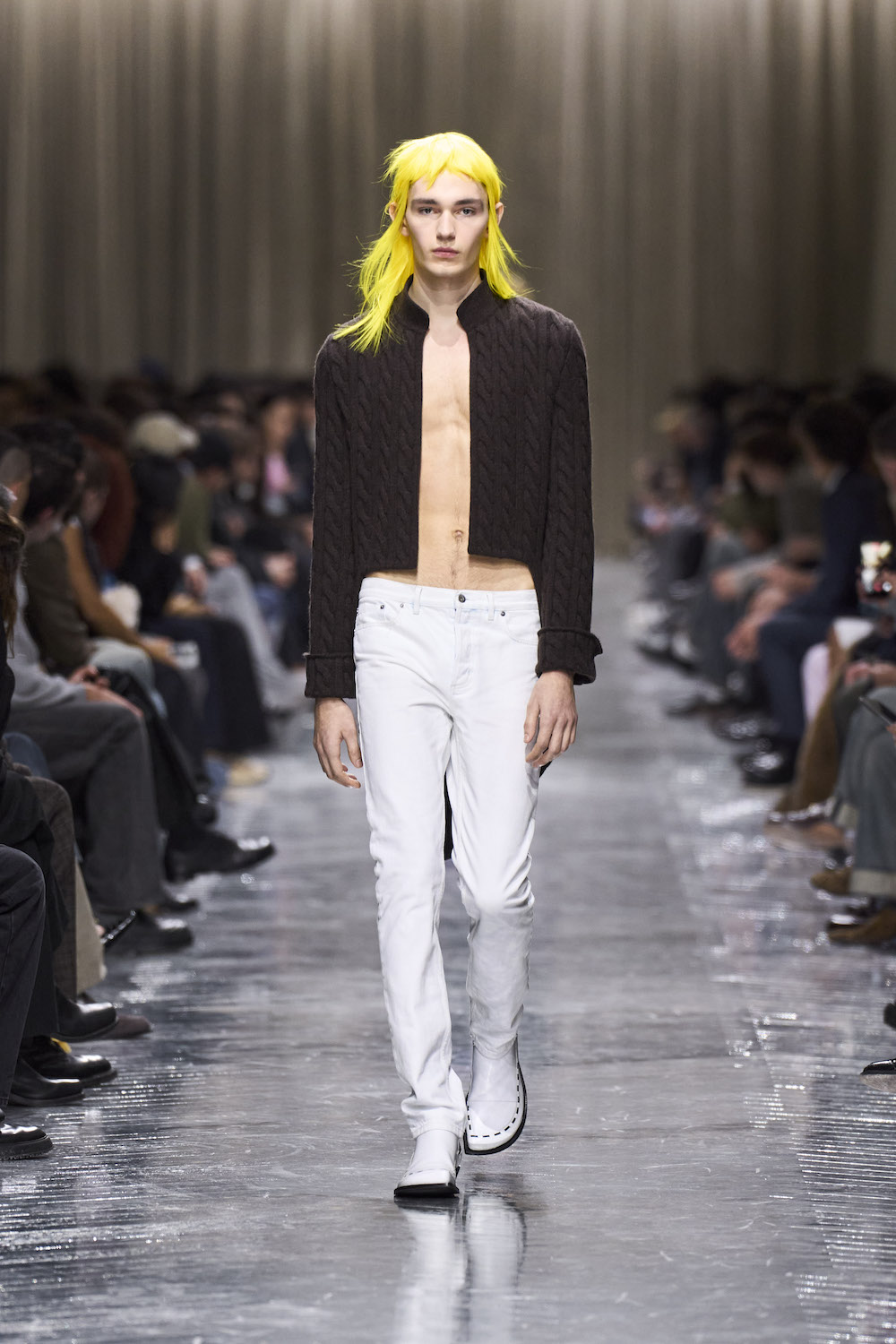
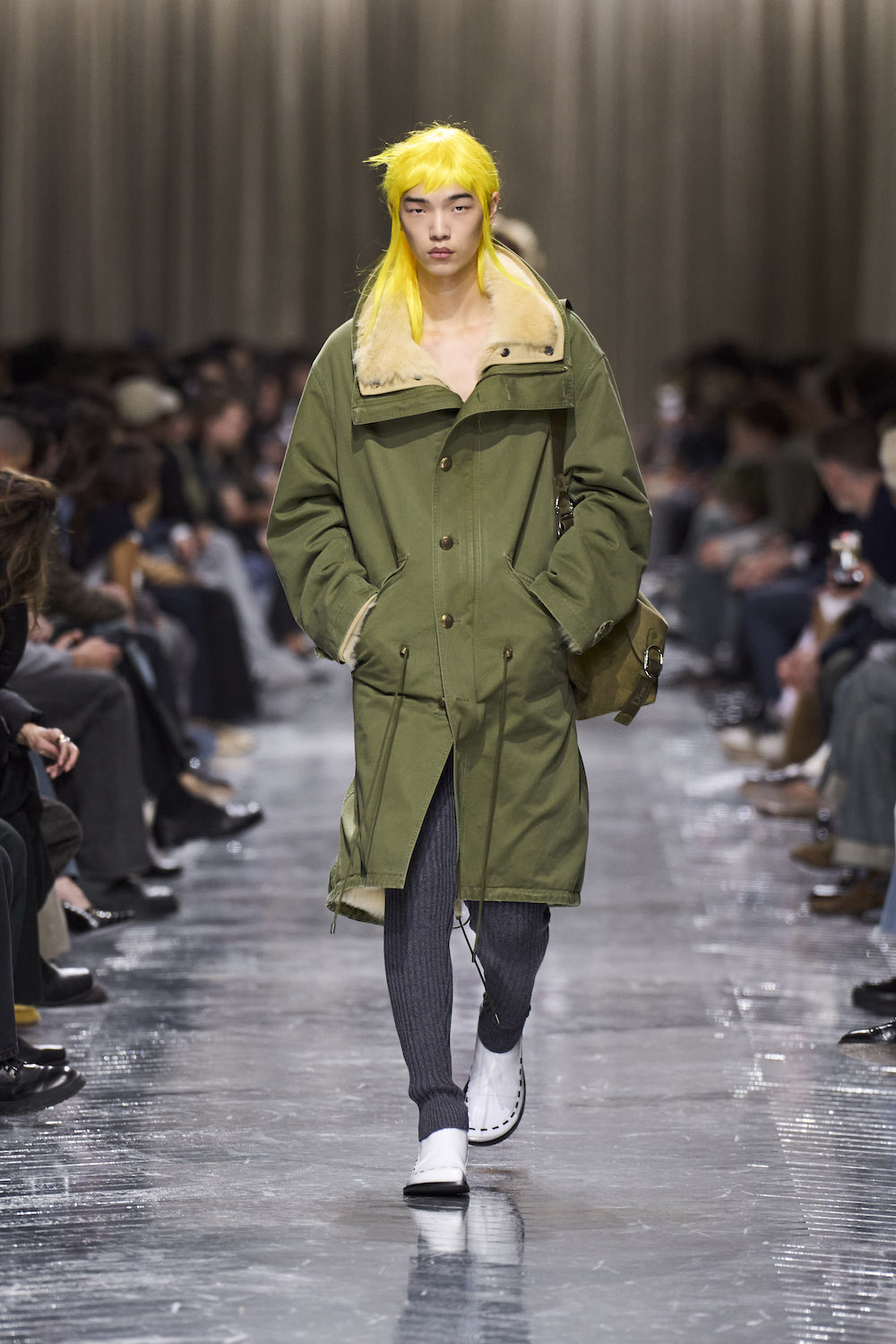
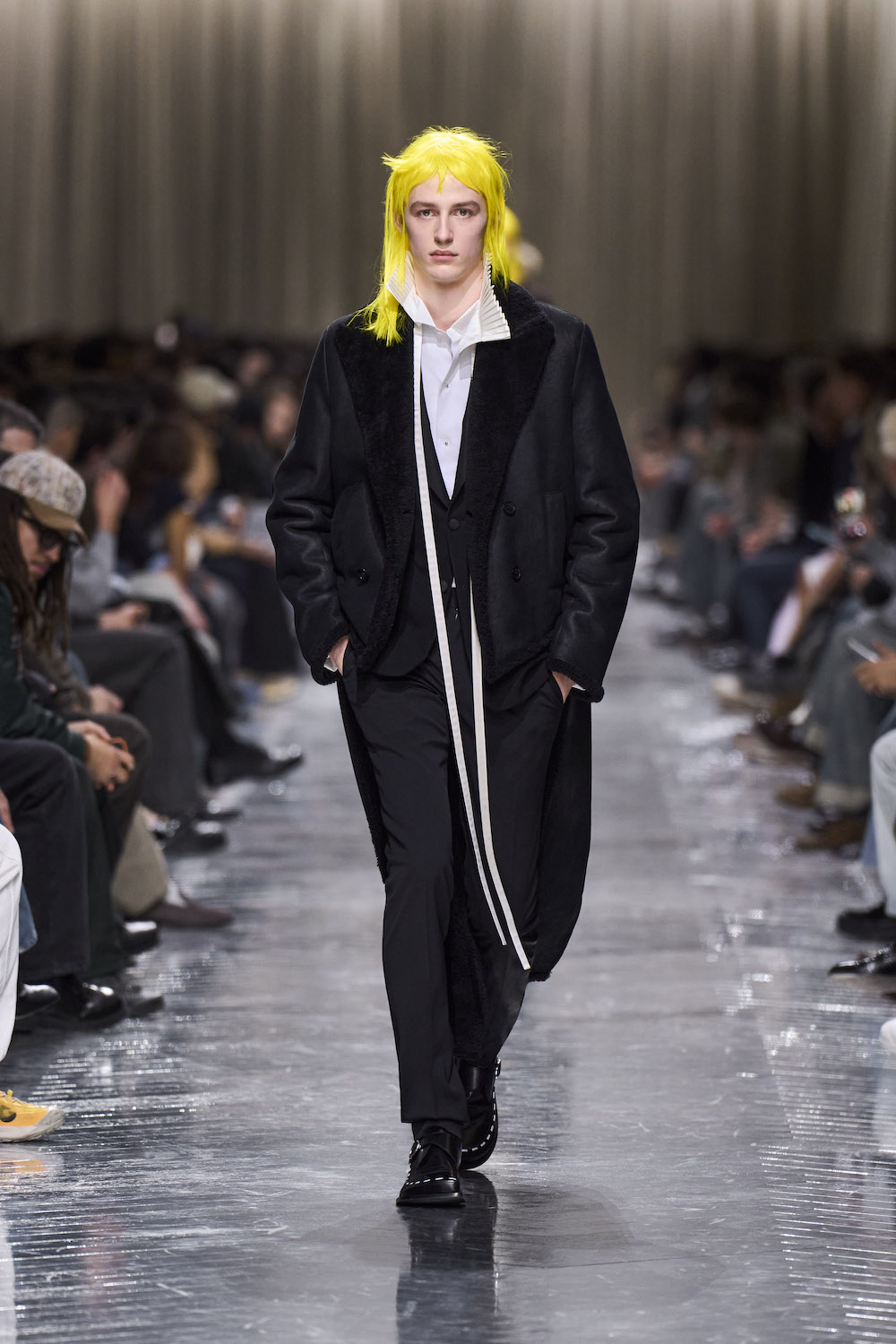
Poiret once owned a boutique a stone’s throw from the Dior store that stands tall on Avenue Montaigne. Look down on the pavement outside of the flagship today and you’ll see a commemorative plaque for Poiret, featuring a woman holding a parrot (the dress she wears is a similar yellow to Guido Palau’s choppy wigs that paraded down the catwalk today).
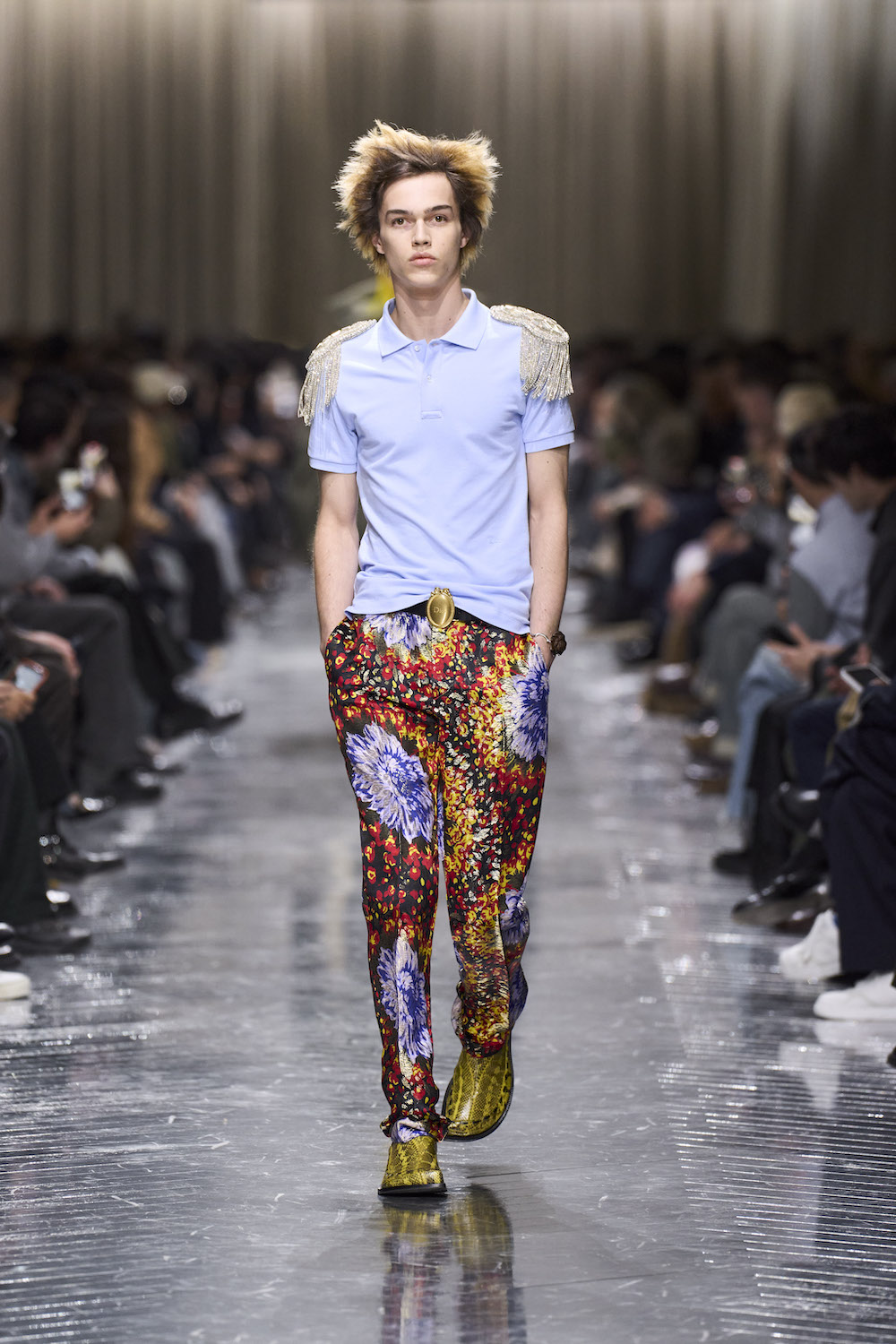
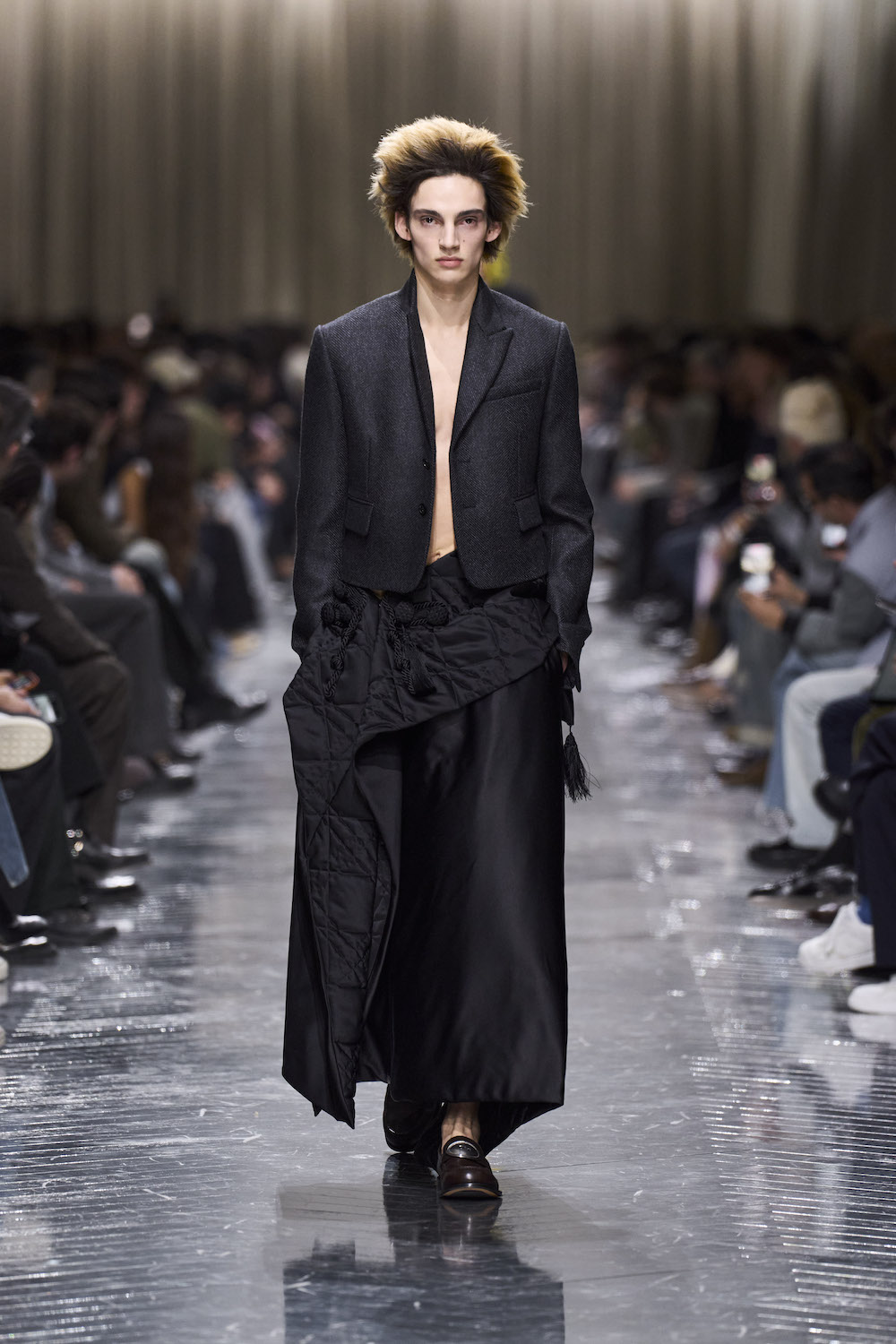
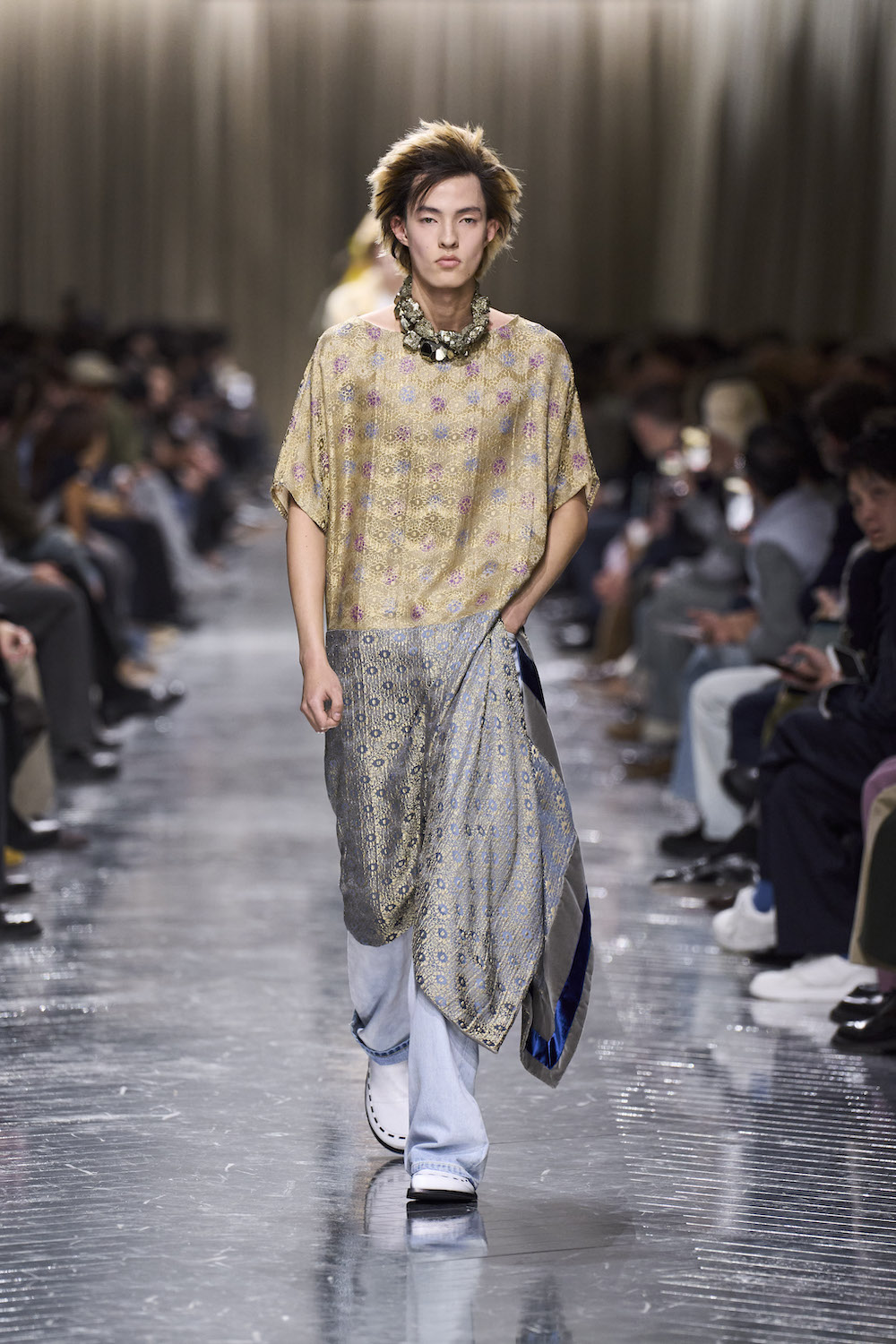
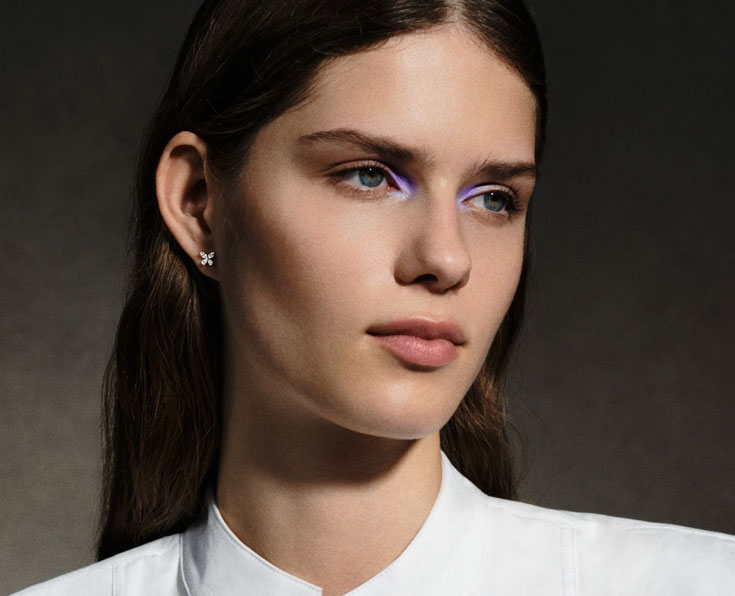
Anderson imagined the “aristo-youth” of his debut discovering the work of Poiret, leading them to bring a sense of joyful spontaneity into their looks. The result was a collection that pulsed with clever contradictions, a mash-up of bold ideas that danced between masculine and feminine flourishes at dizzying speeds.
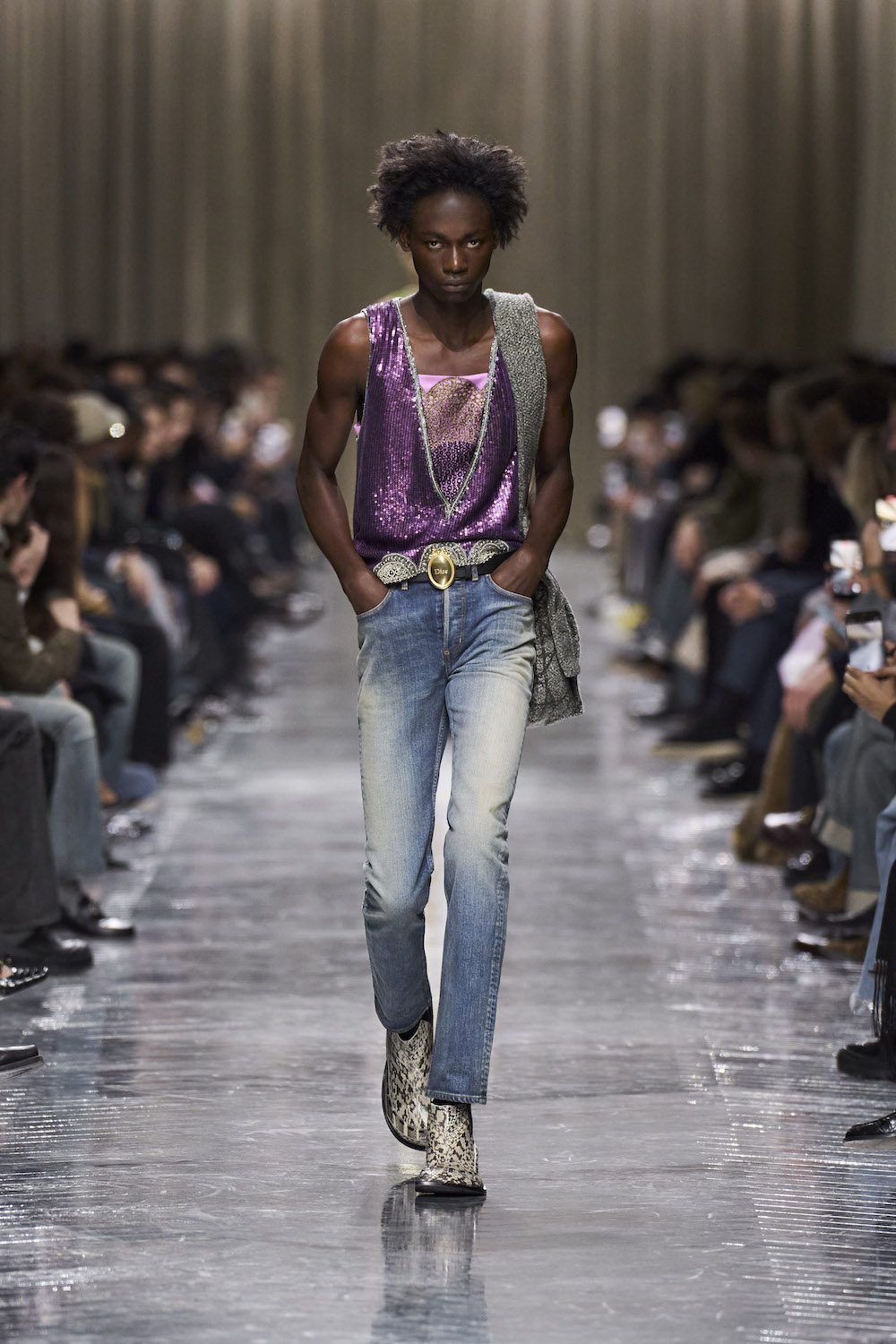
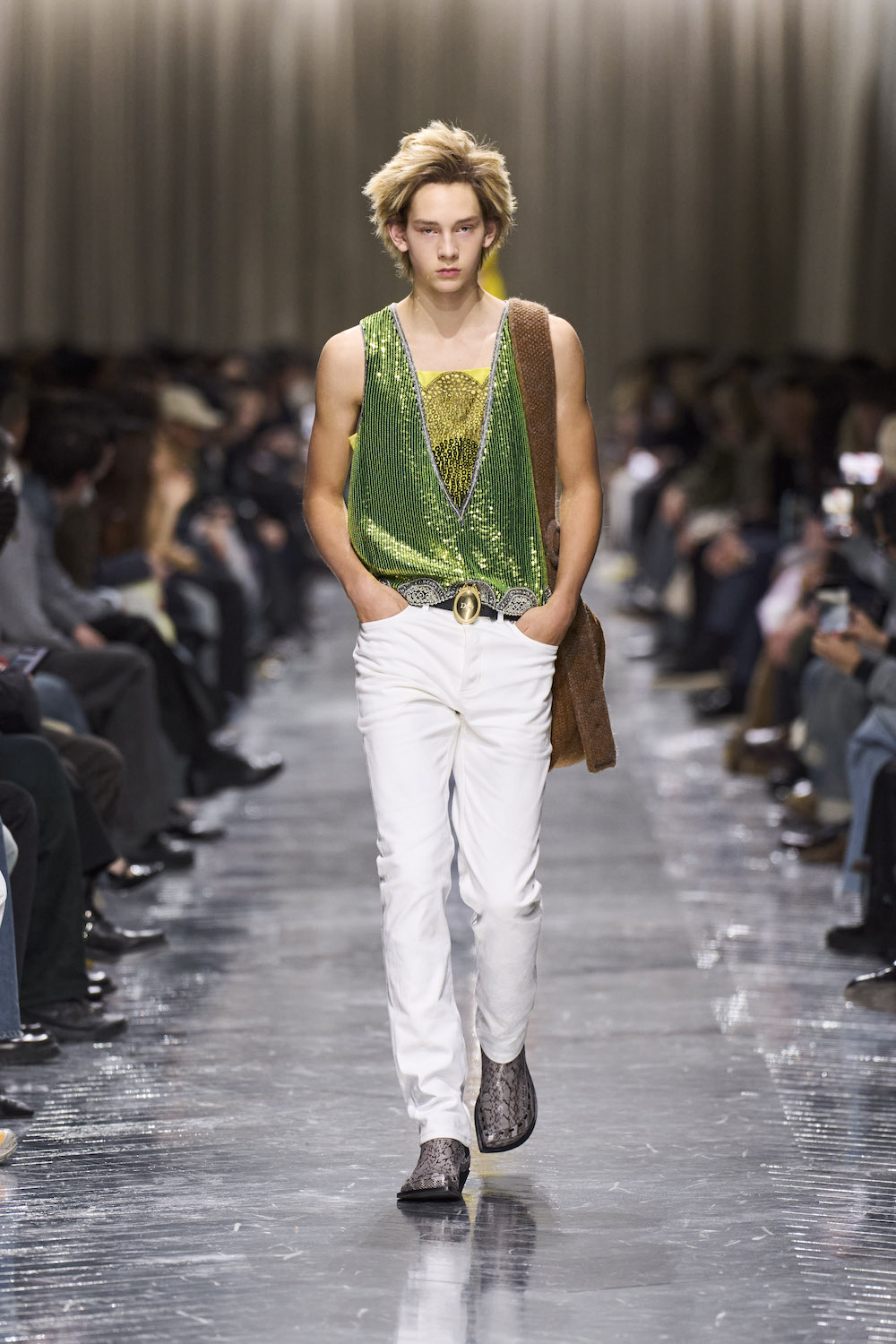
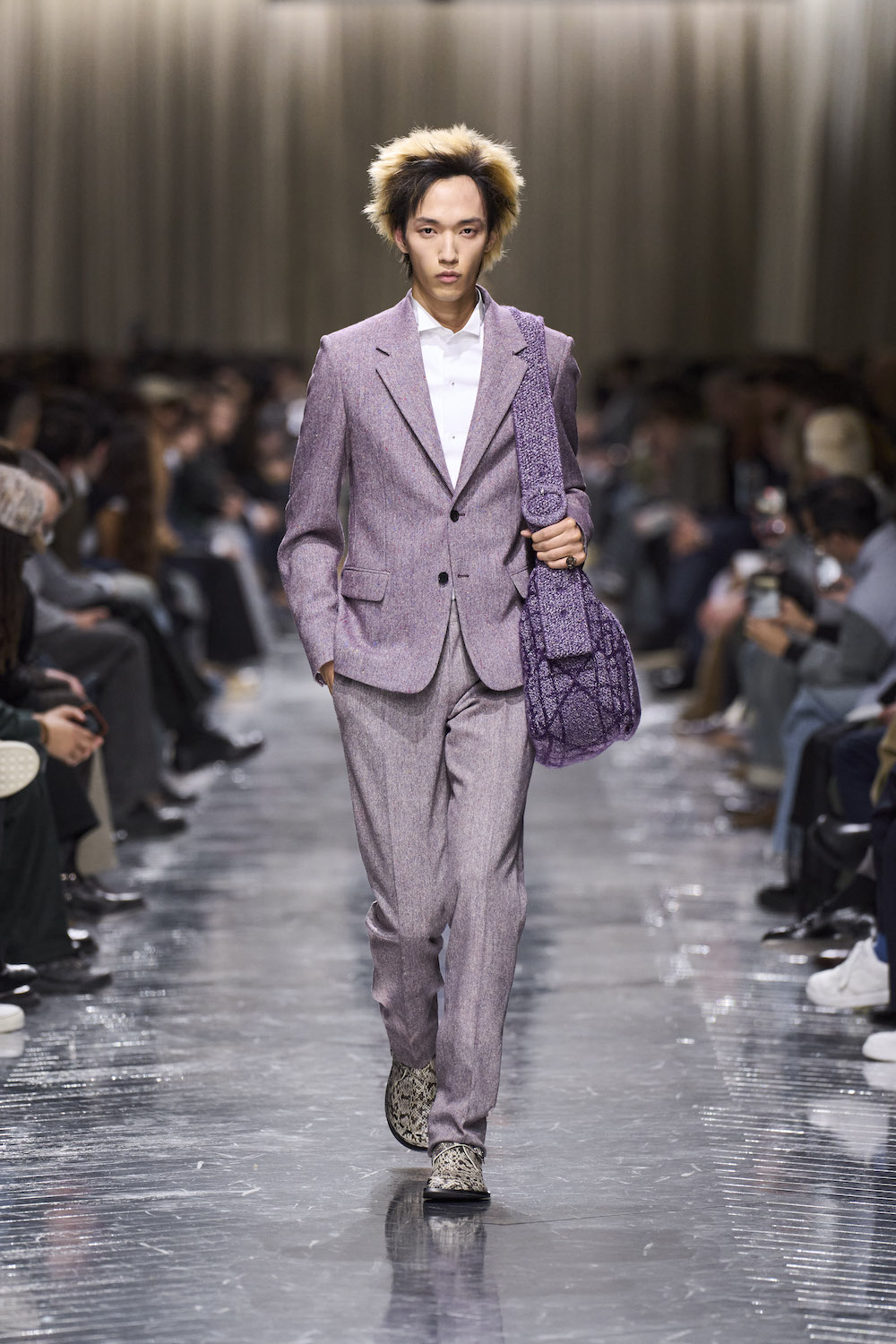
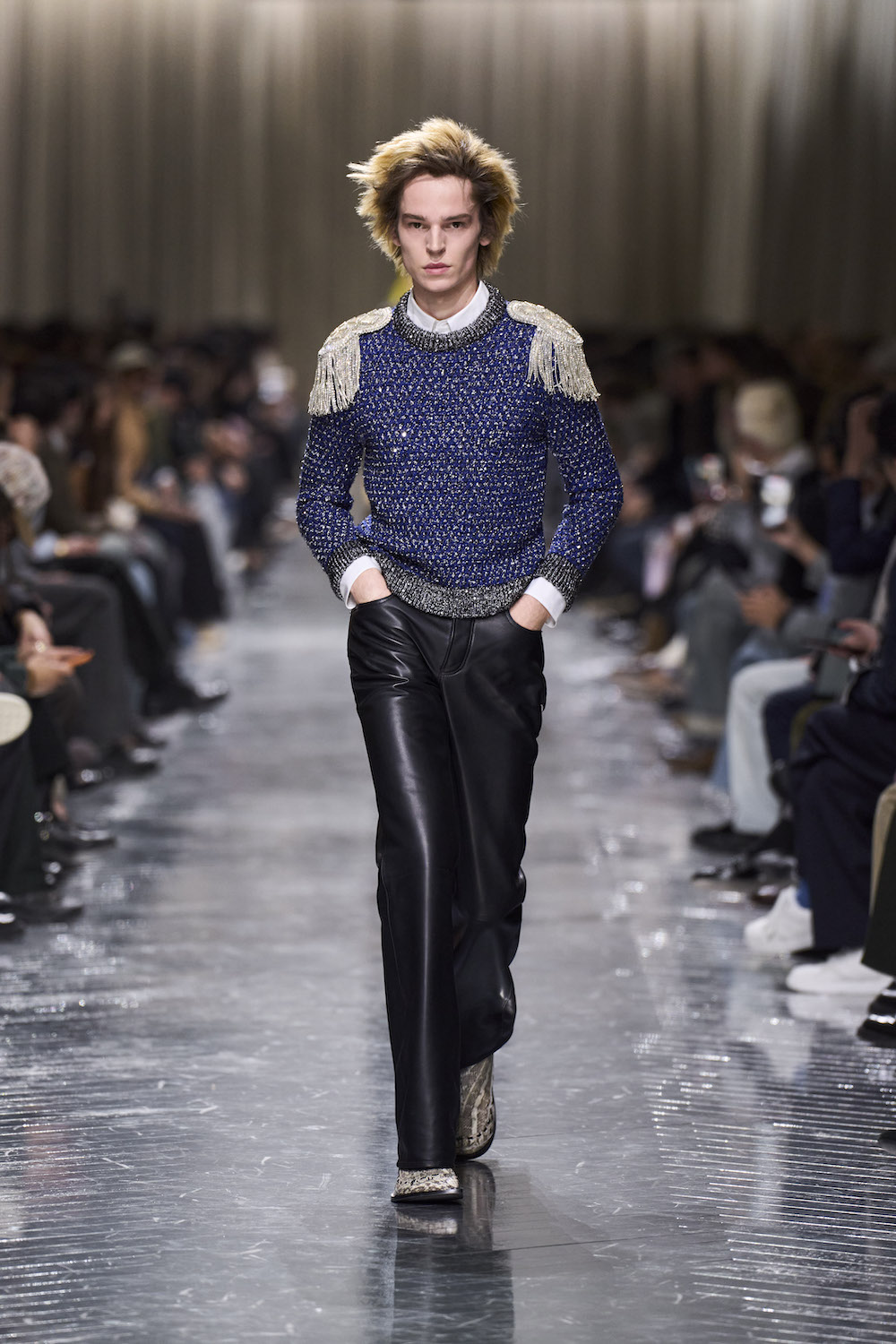
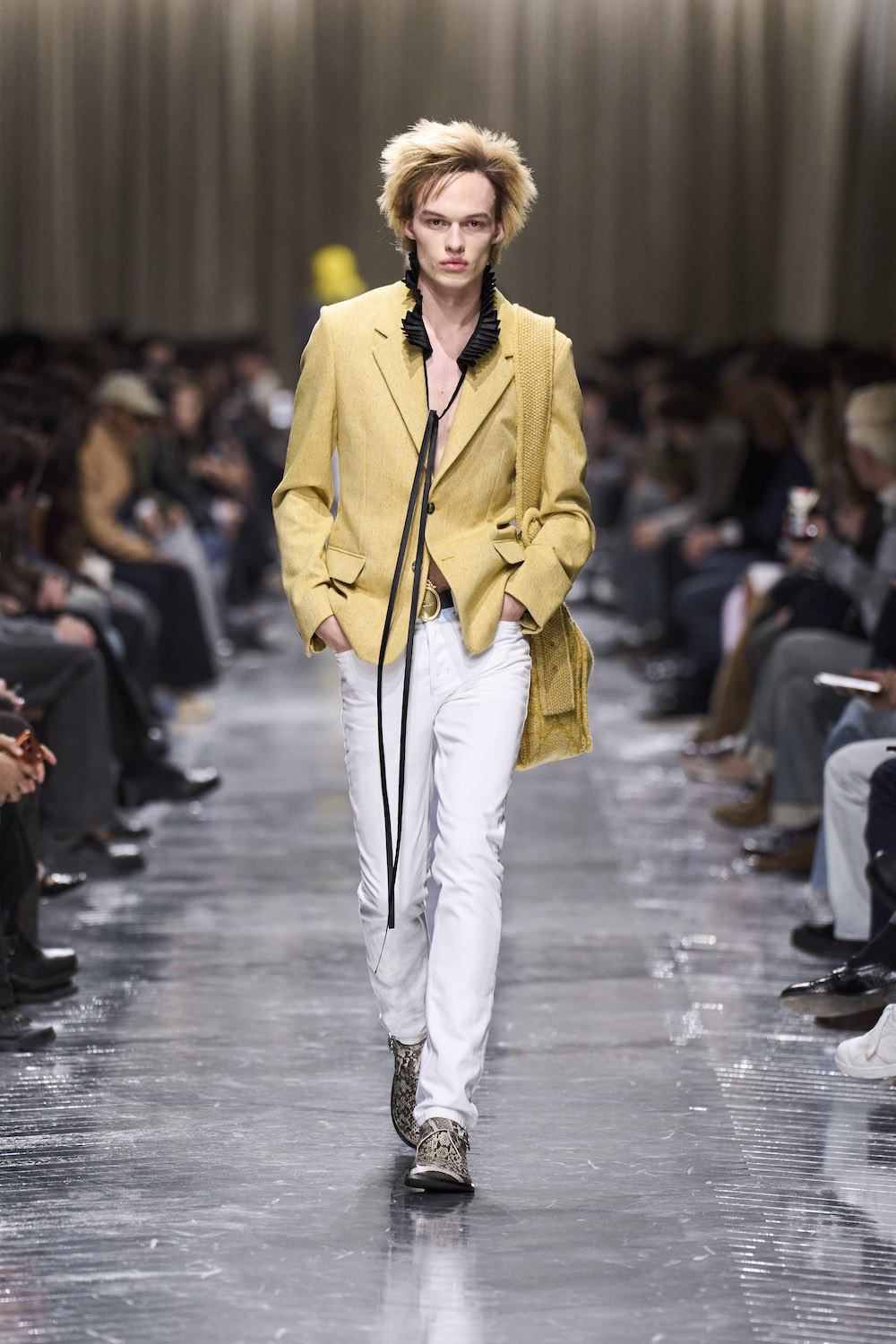
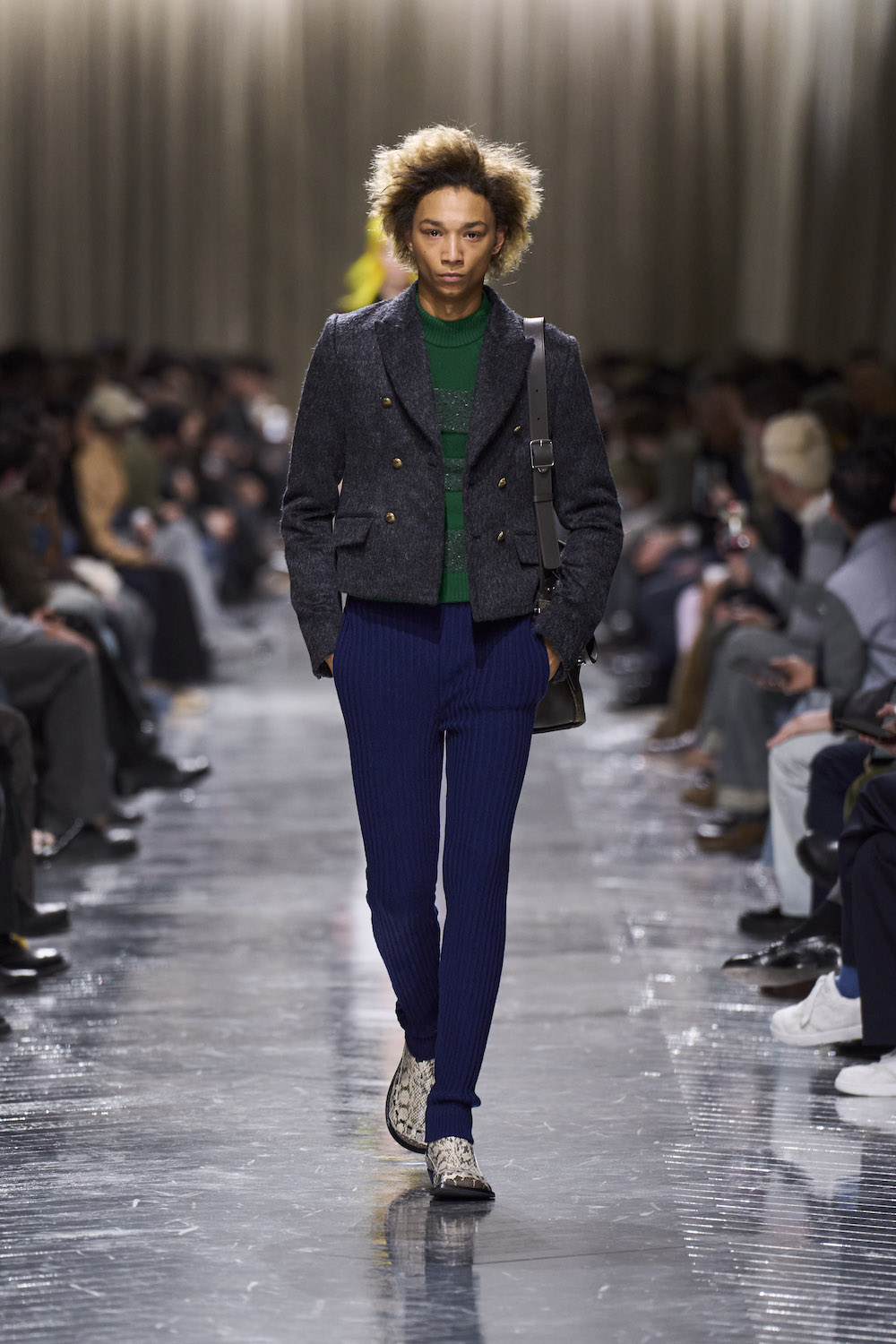
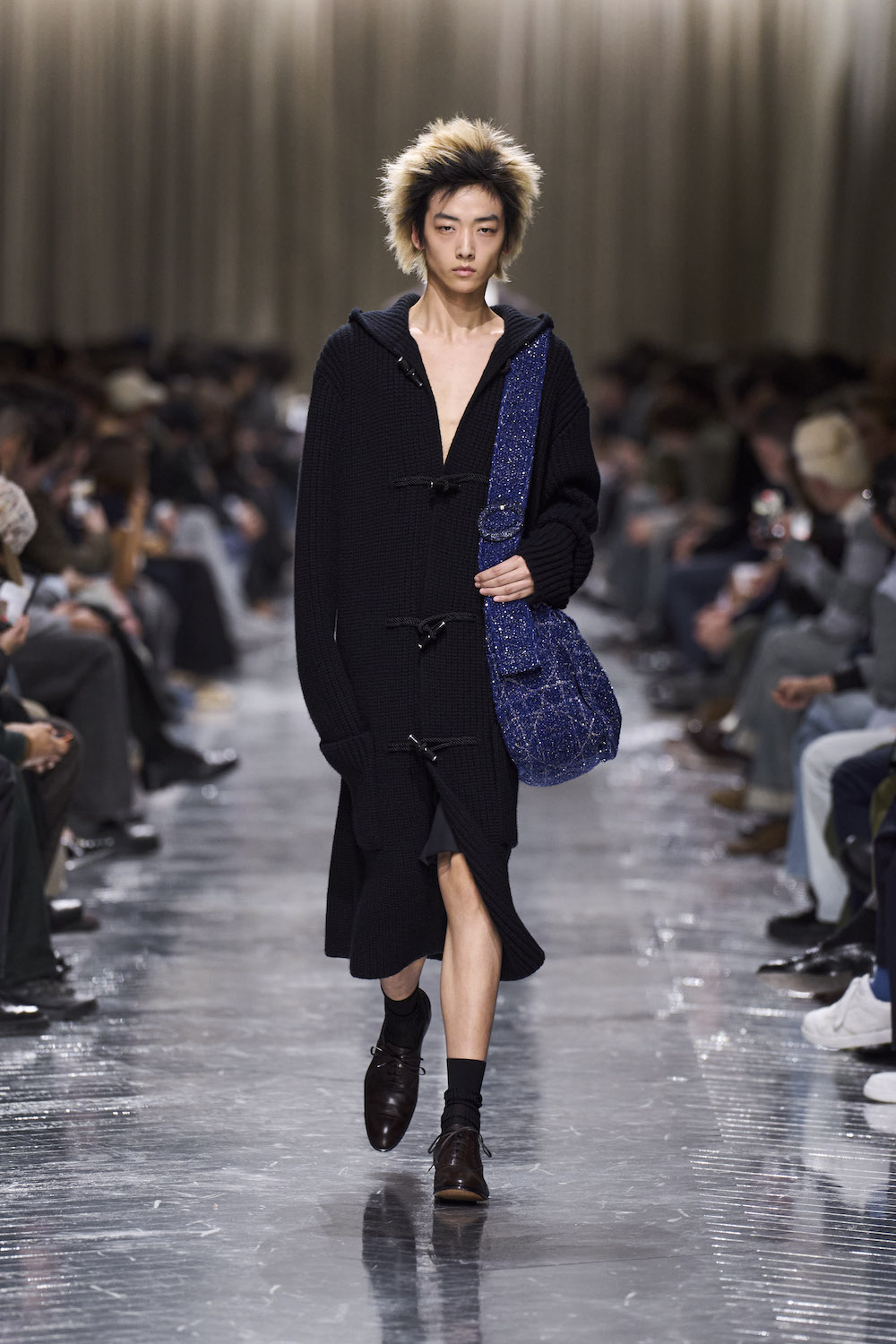
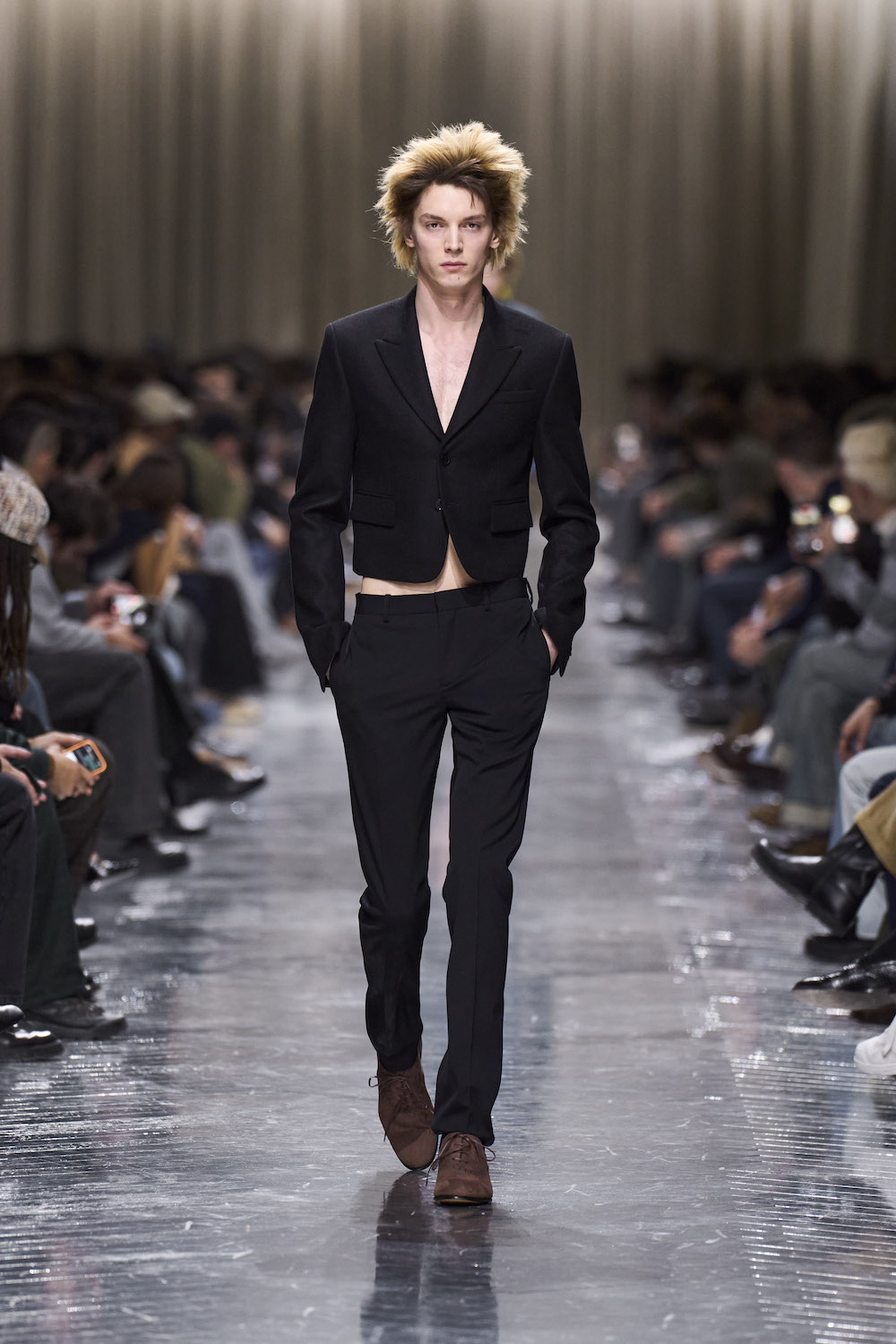
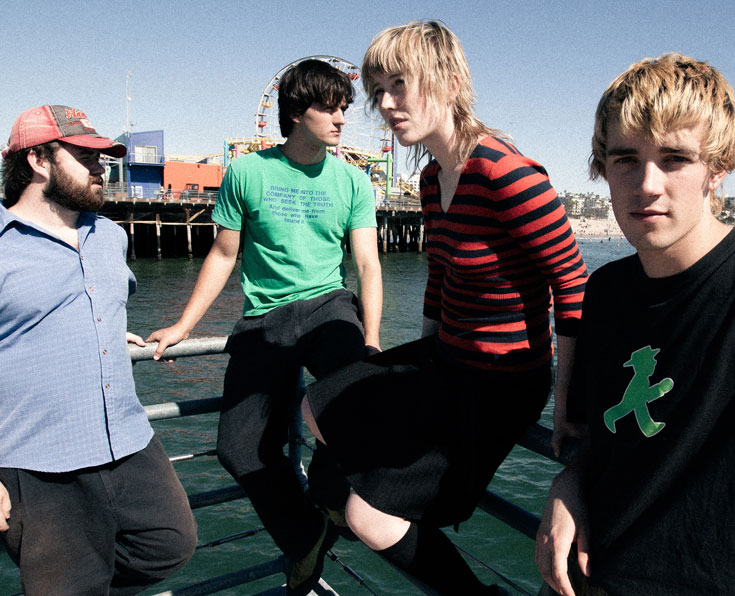
Punkish in attitude (and we’re not just talking about the hair, spiked like it’d been zapped by electricity), the first models out wore drainpipe jeans, rocker boots and camisole-style vests frosted in purple and green sequins. They looked like if Ziggy Stardust and His Spiders From Mars had been teleported to today and were out causing mayhem on the streets of Paris.
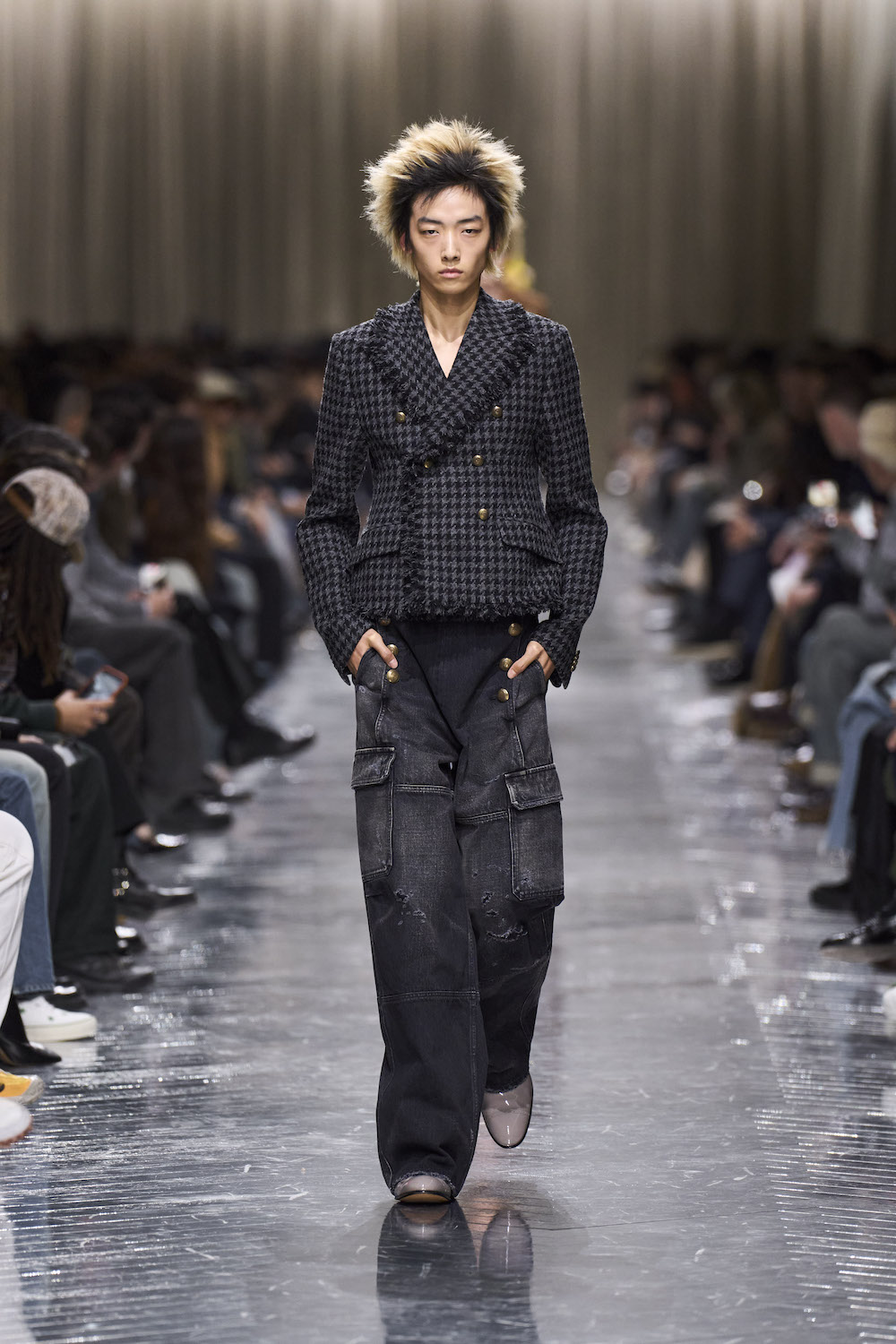
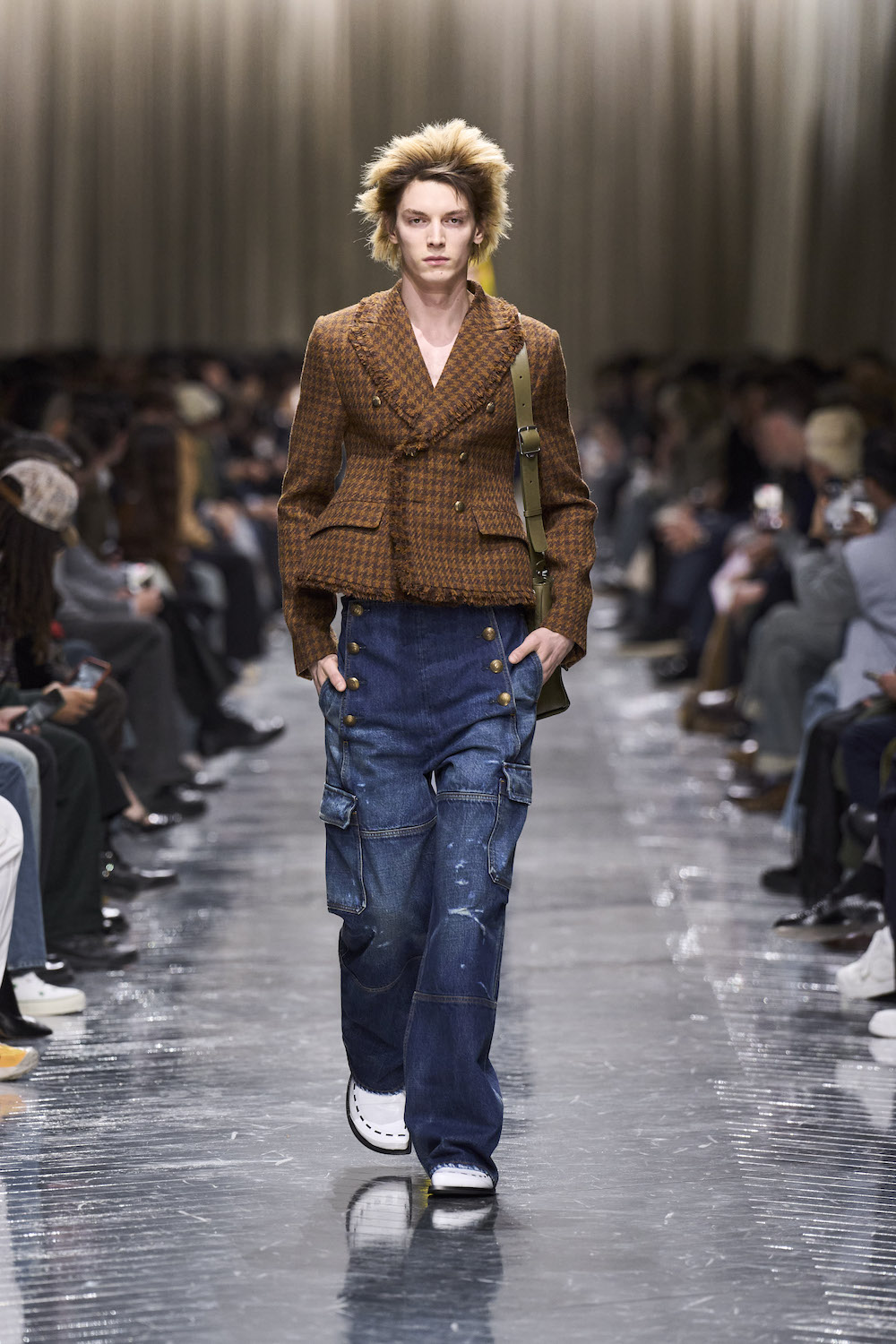
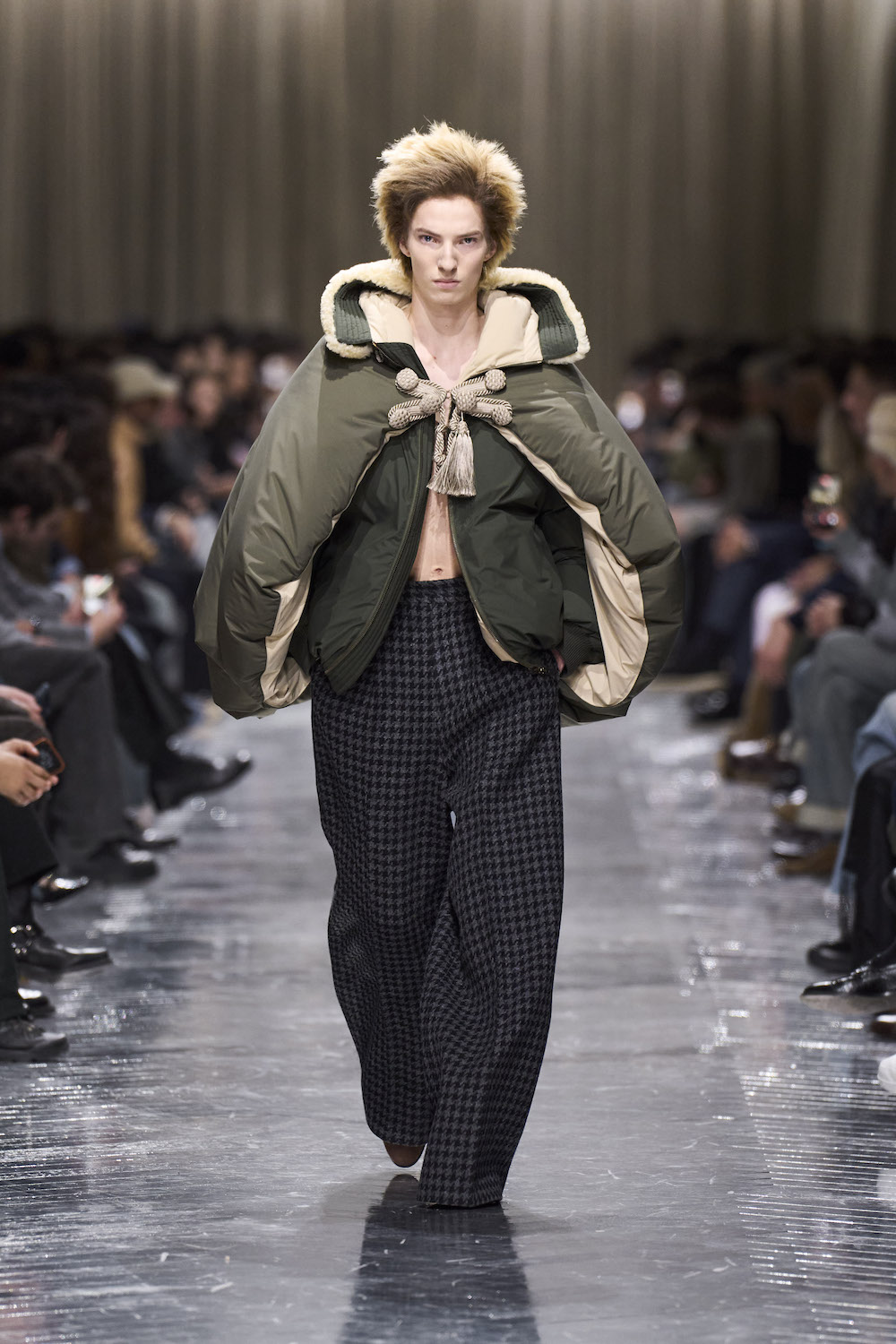
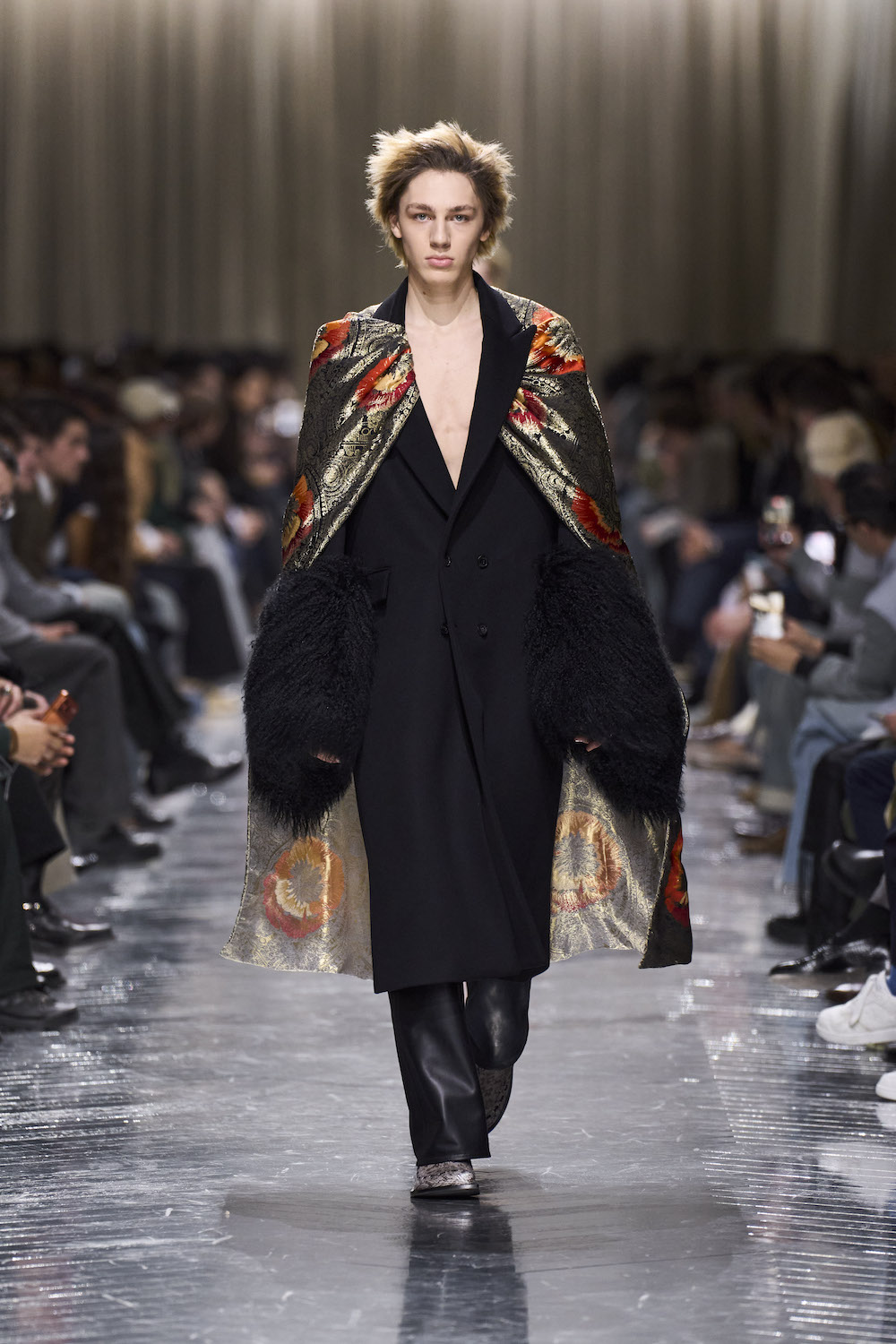
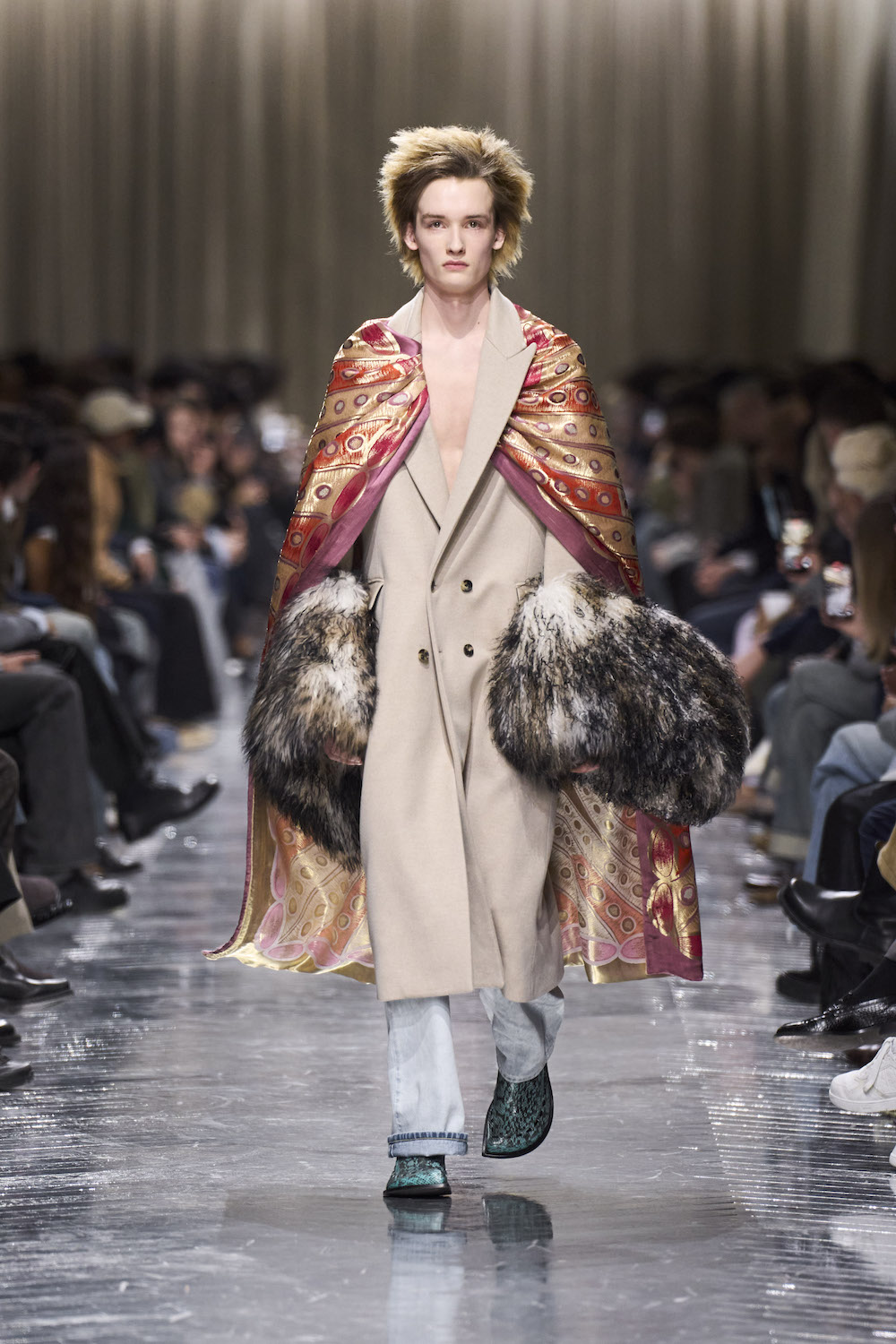
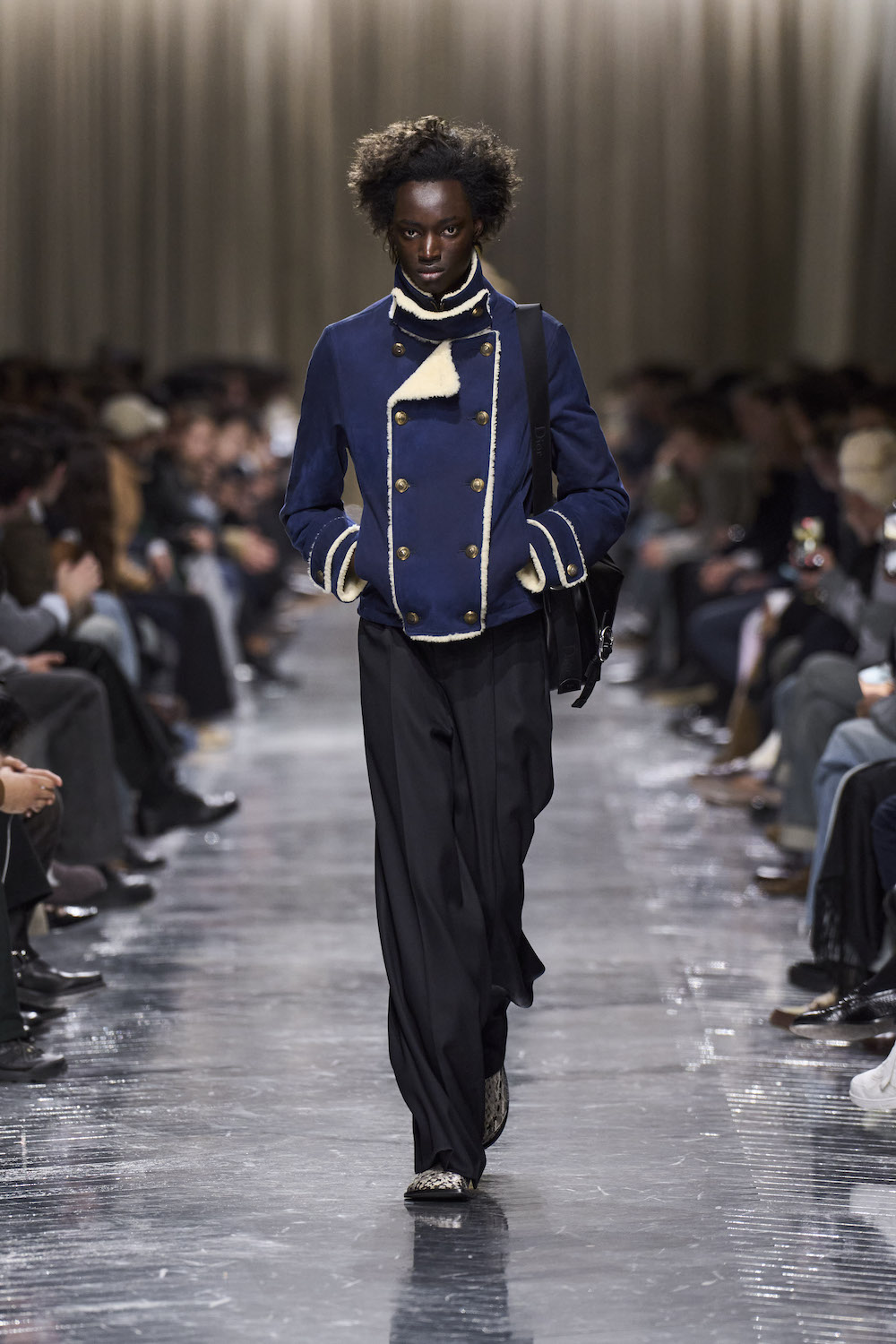
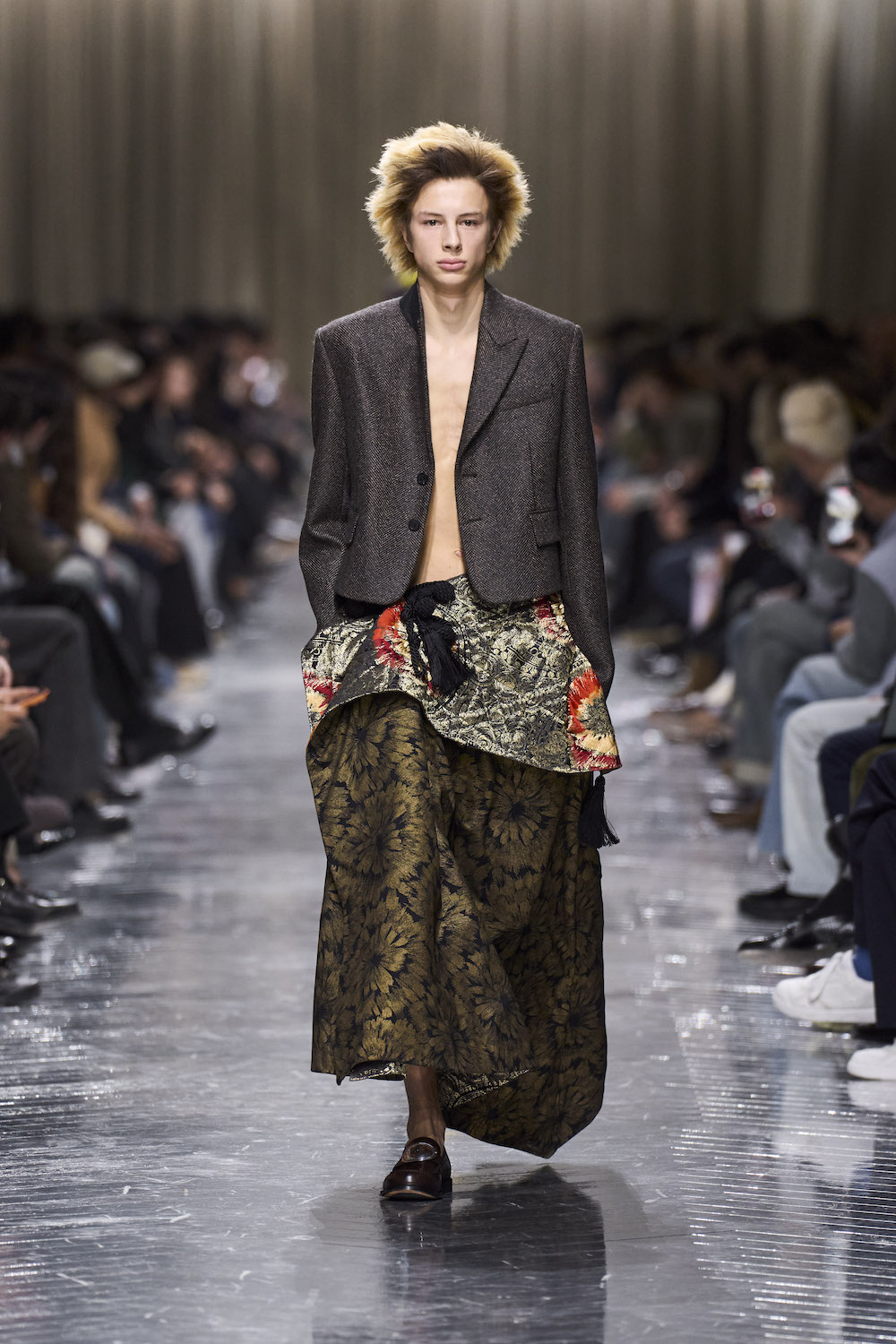
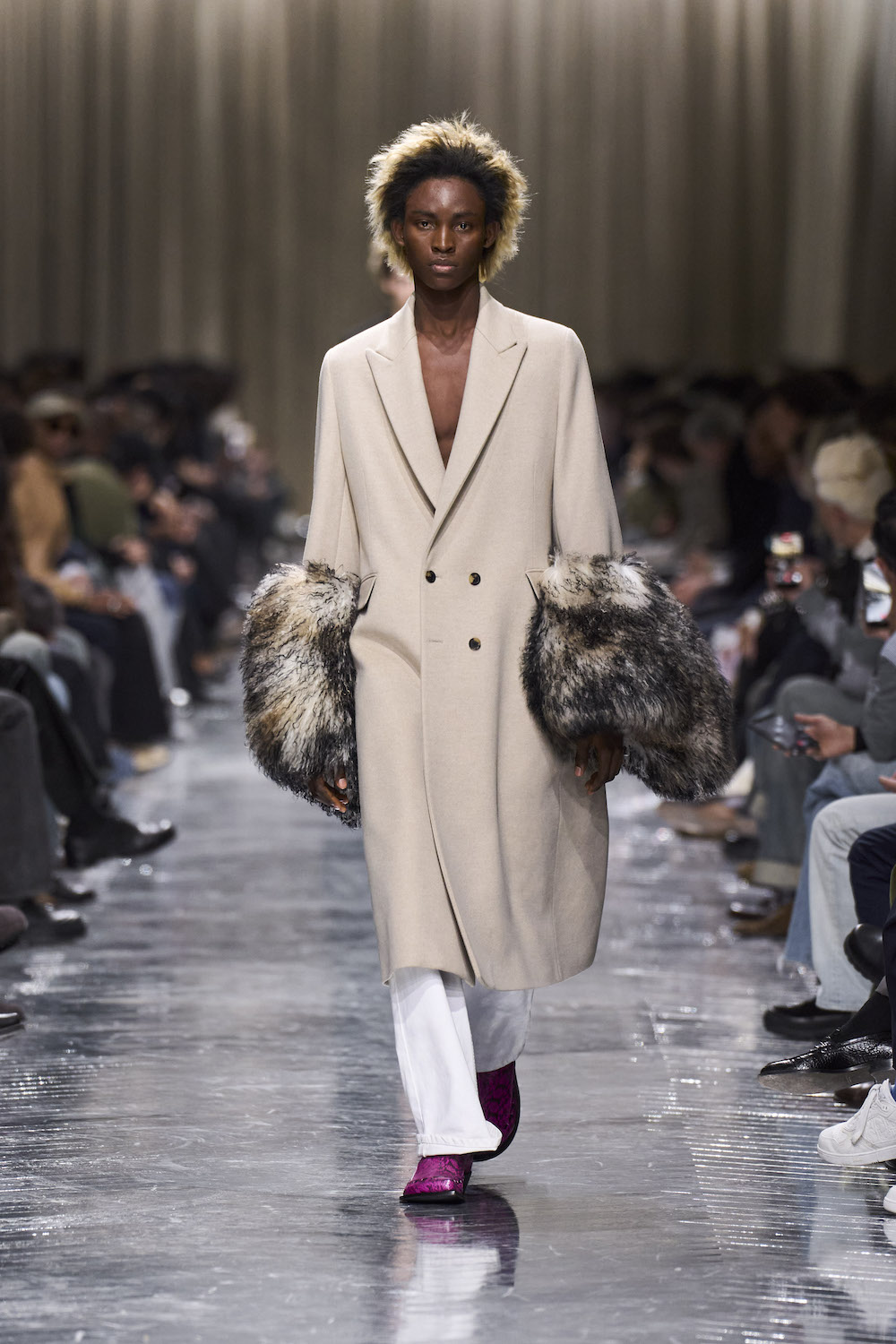
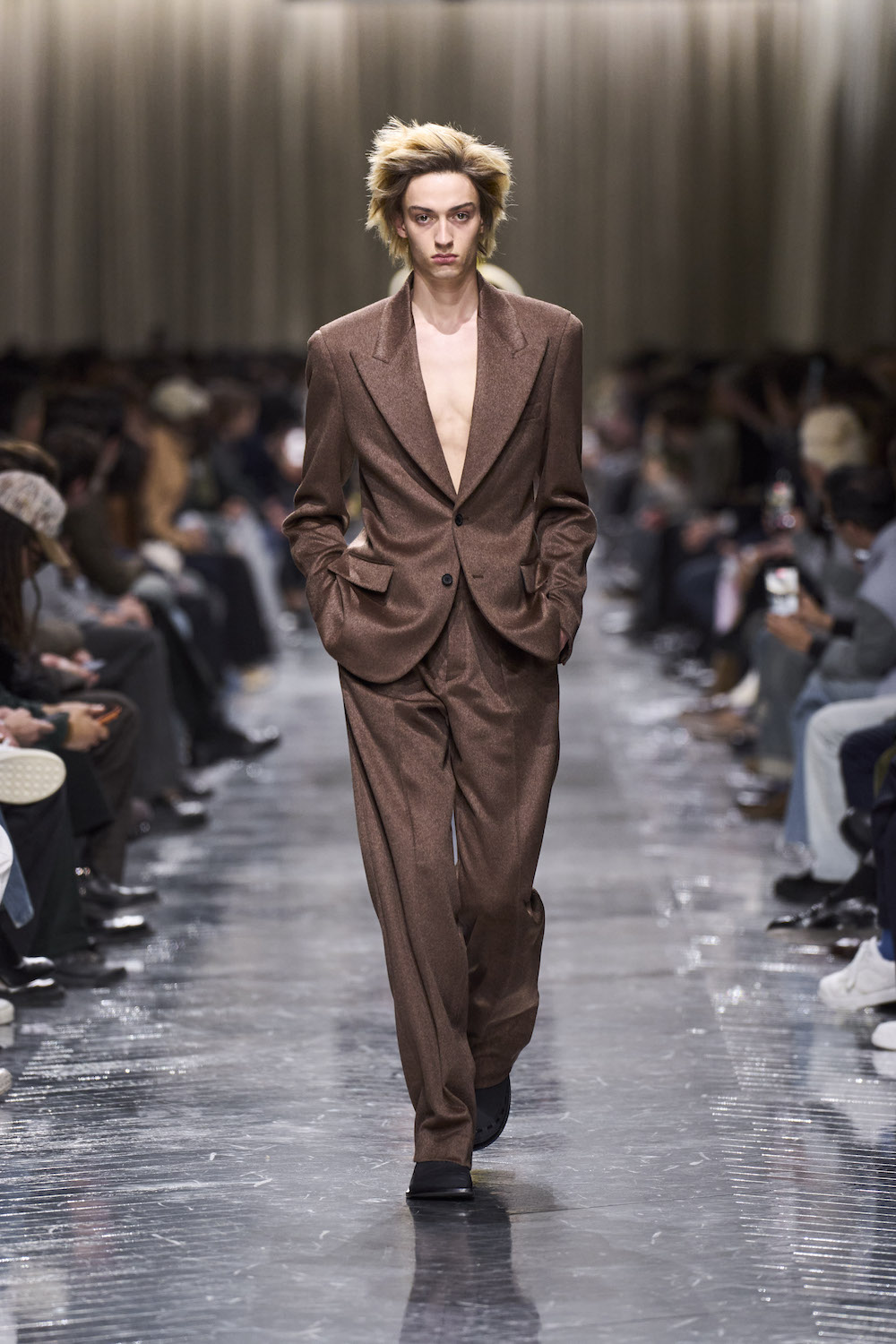
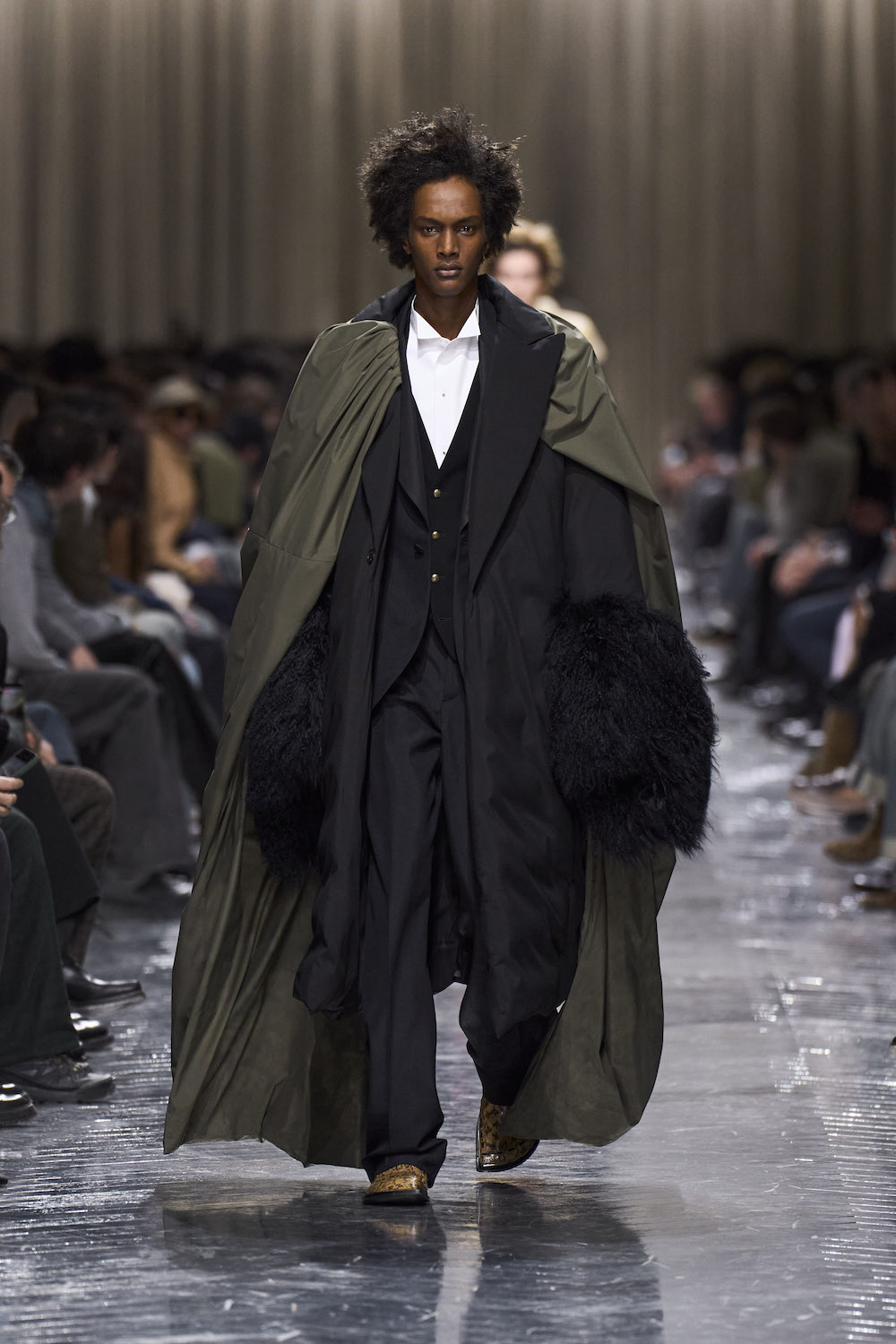
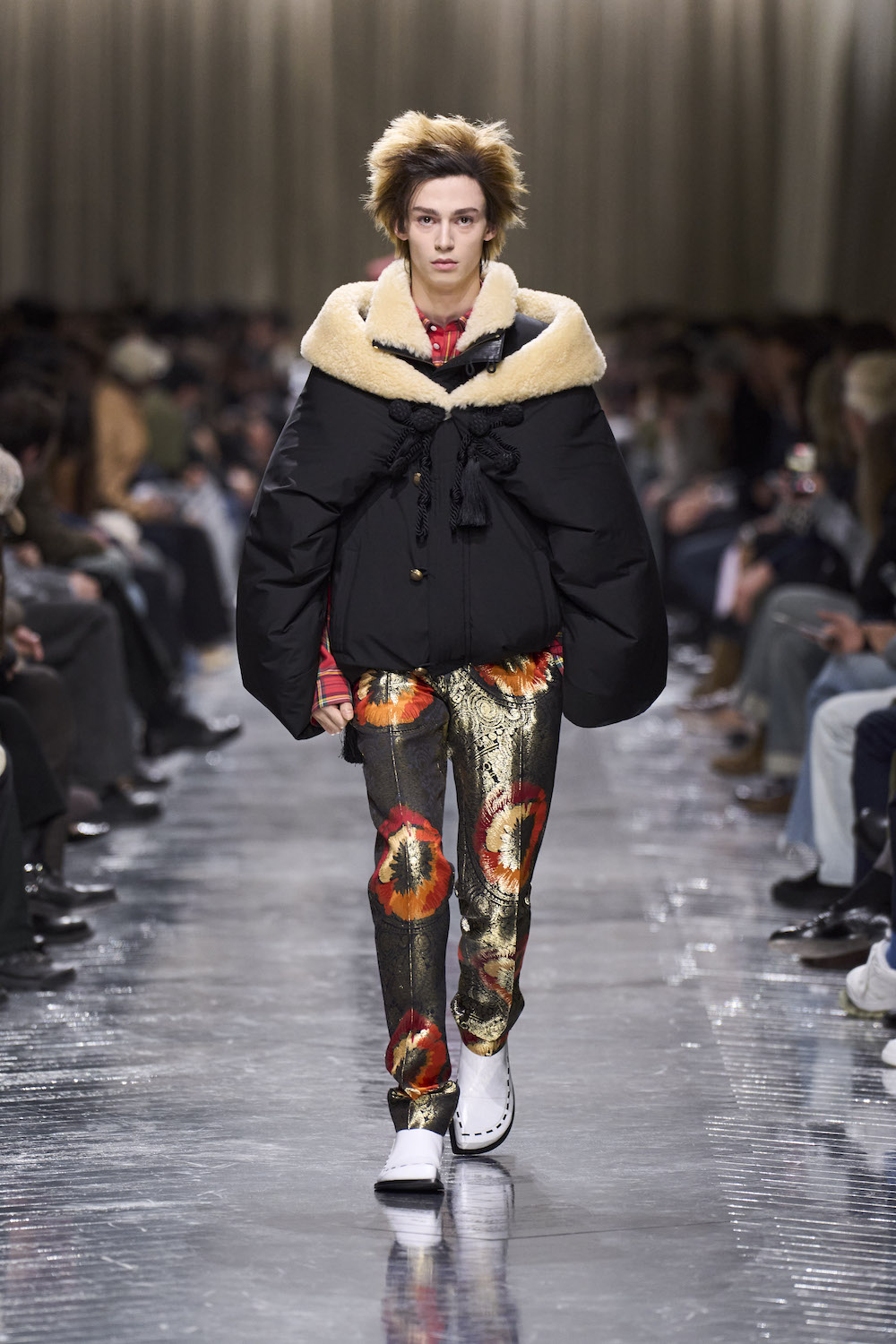
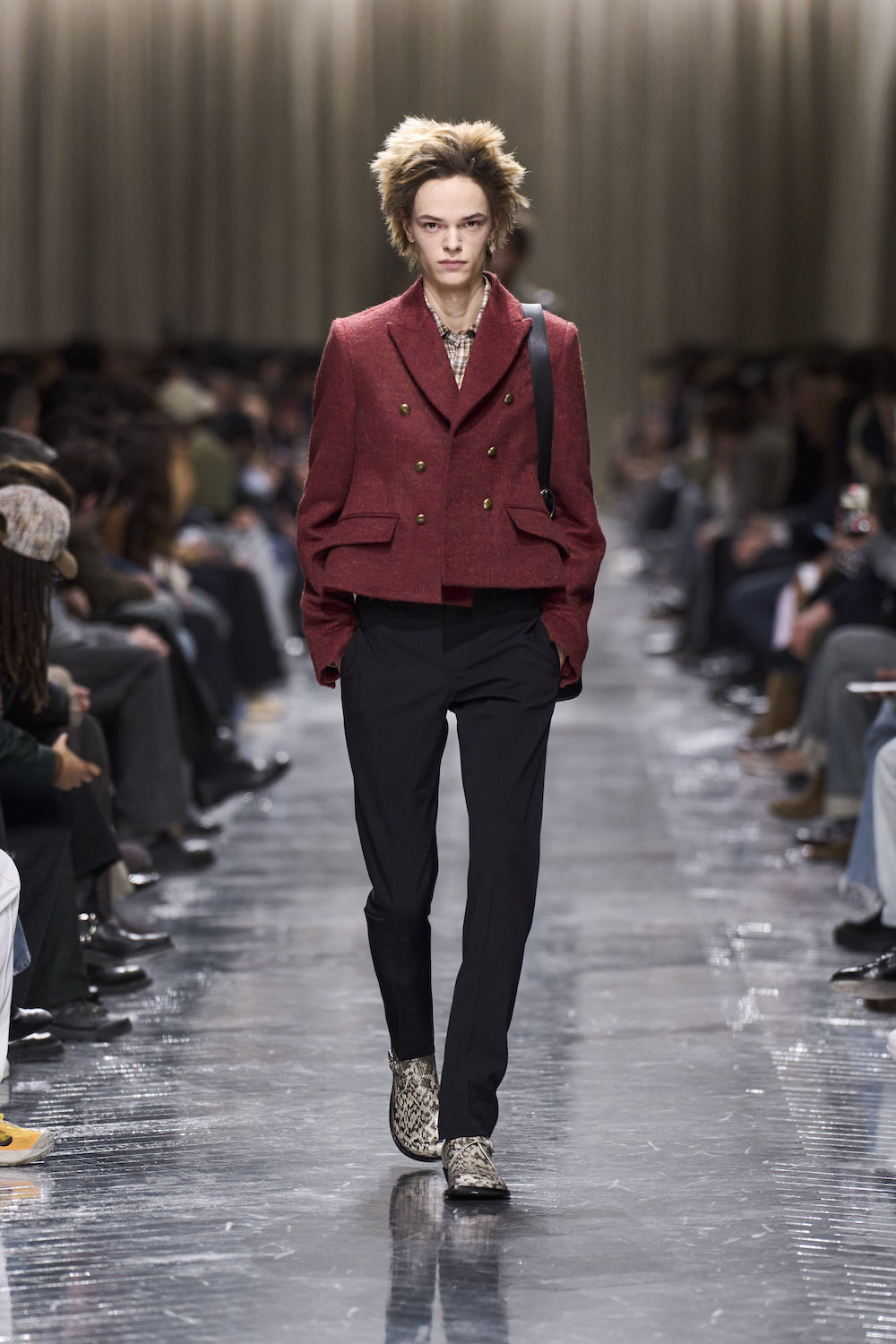
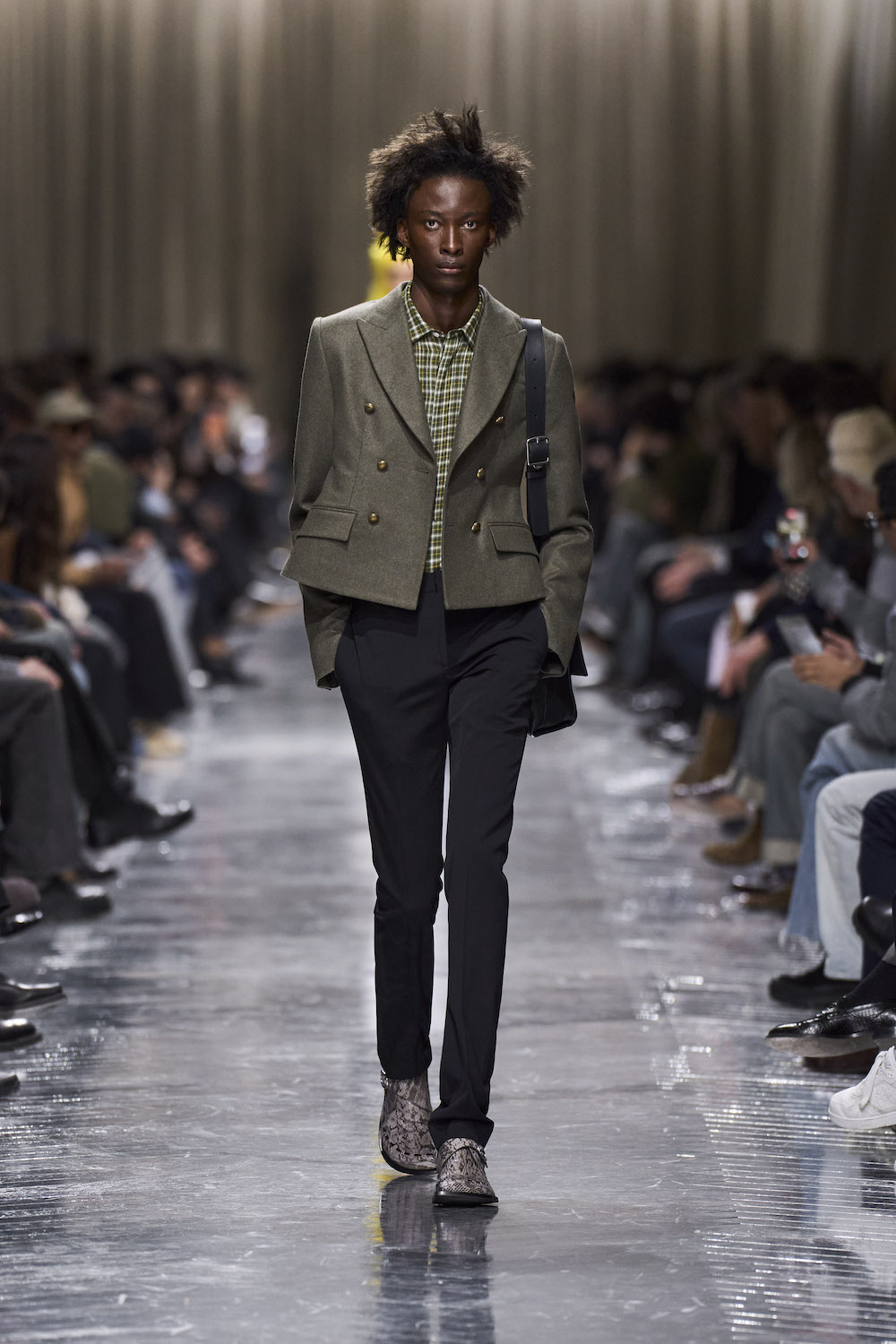
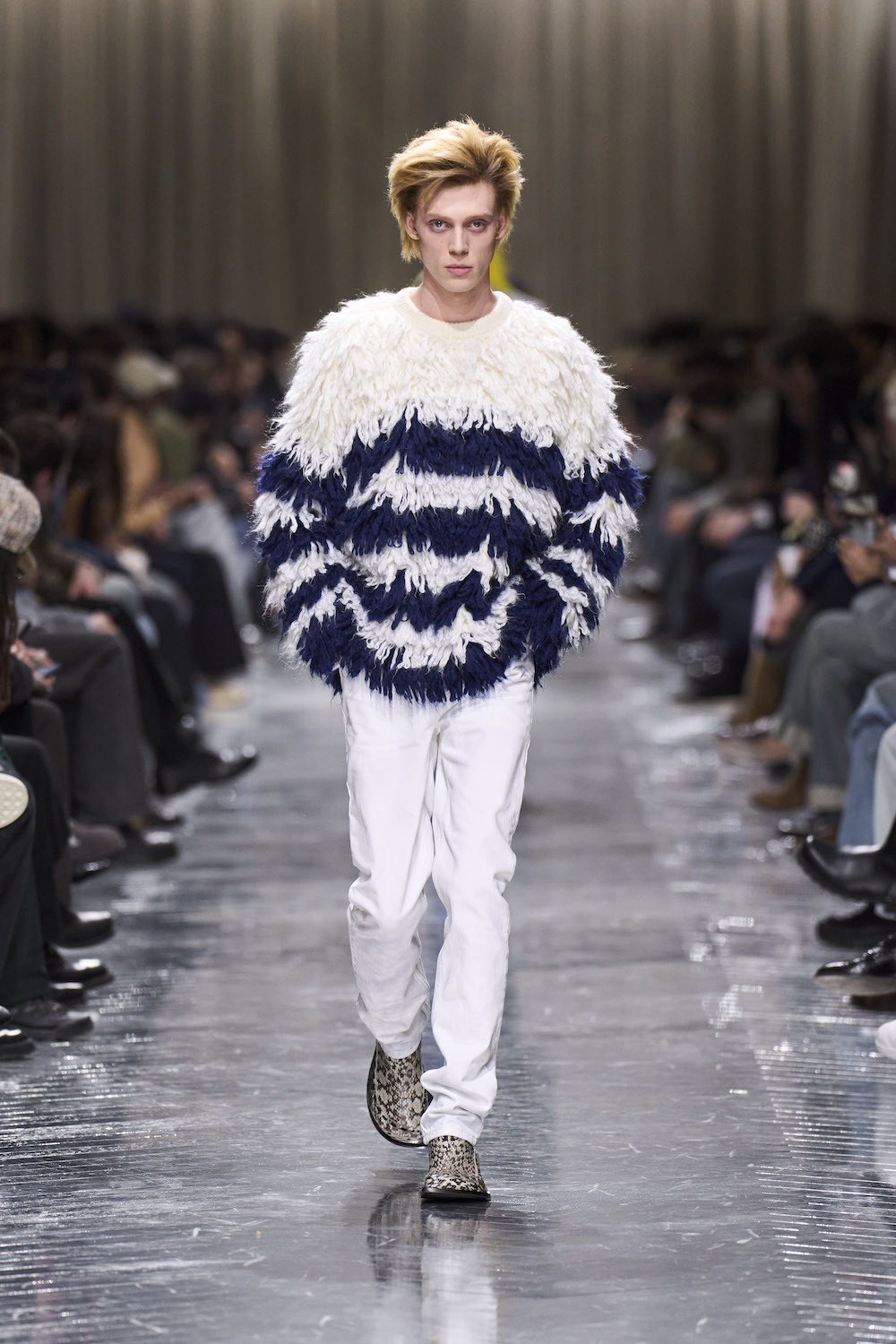
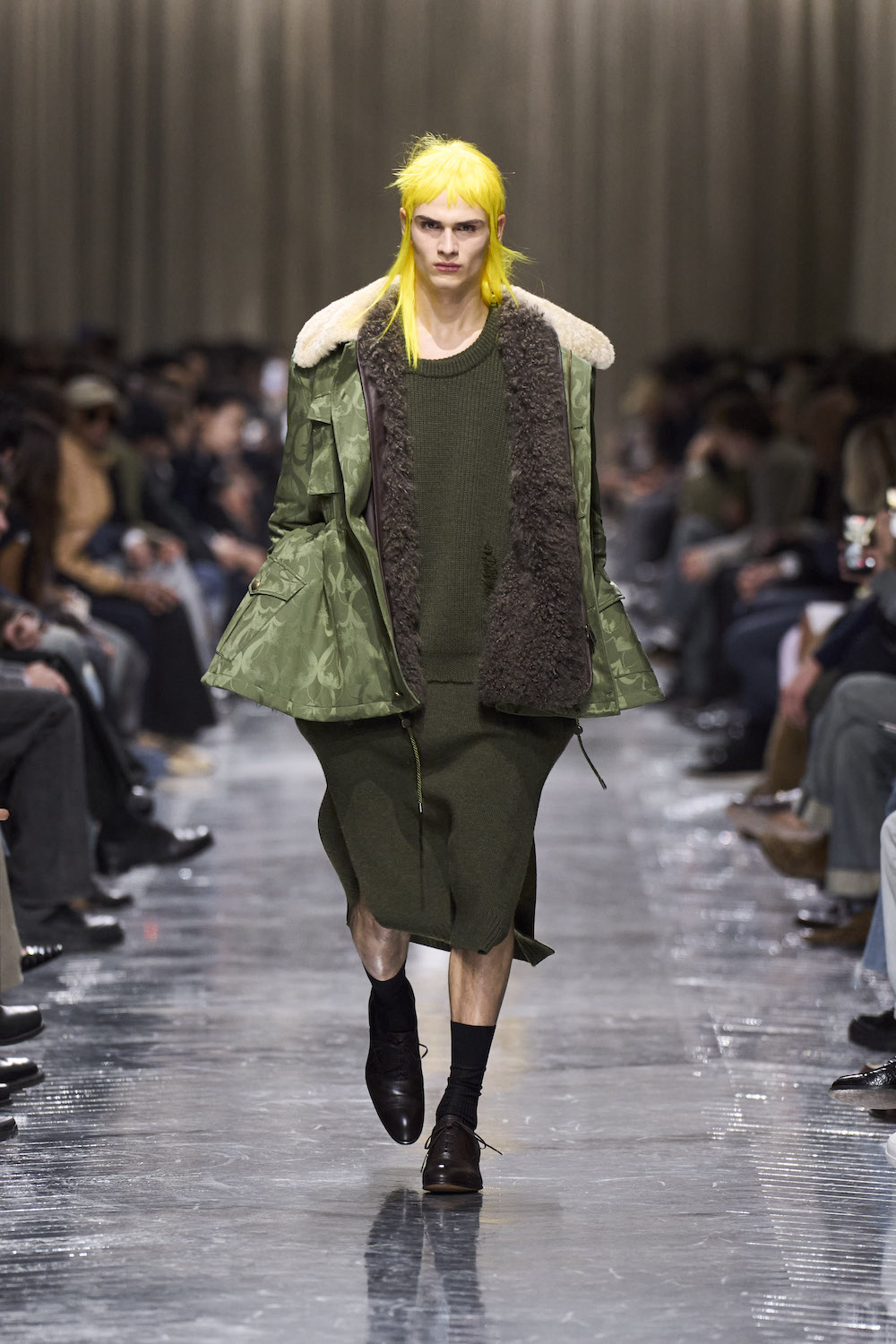
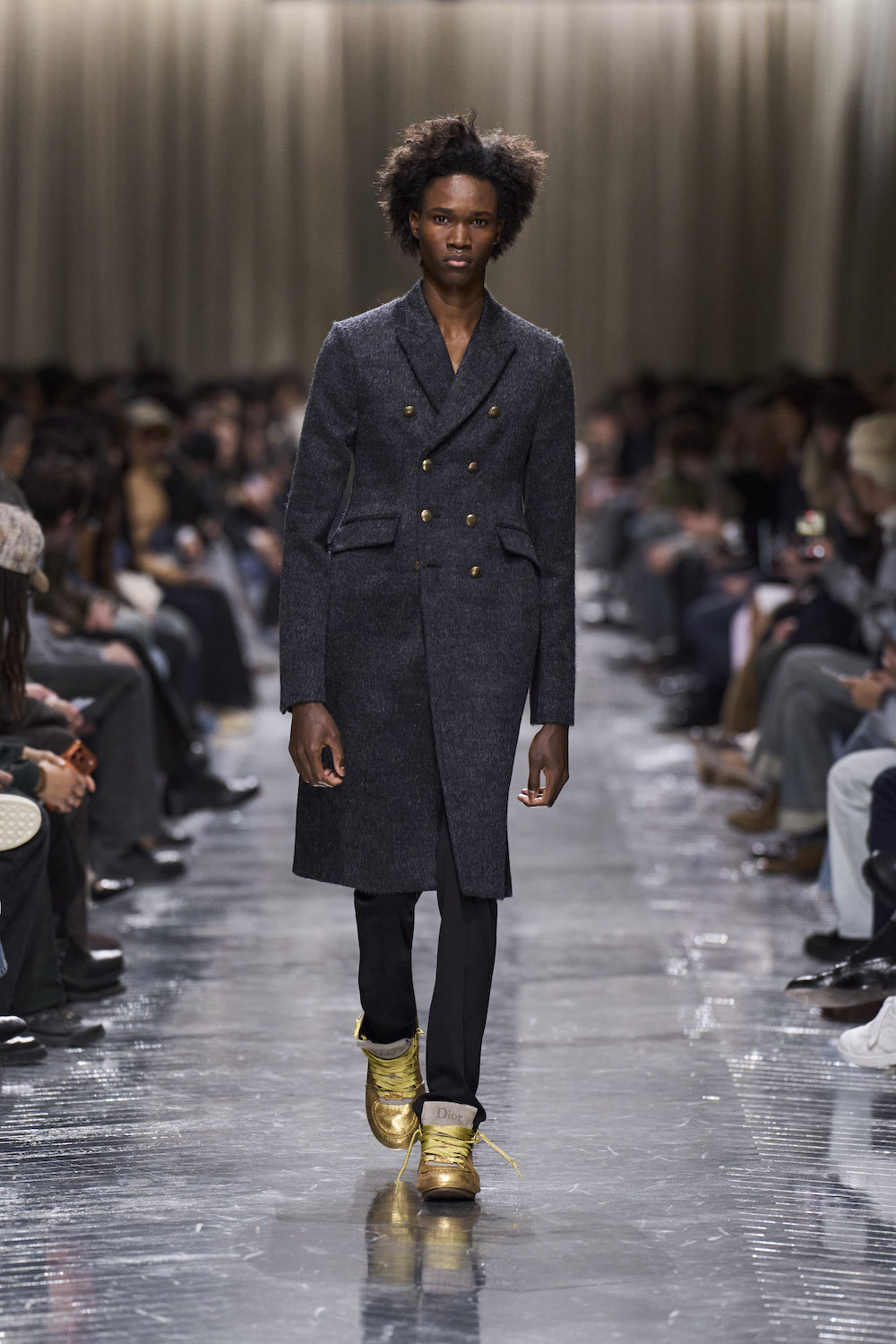
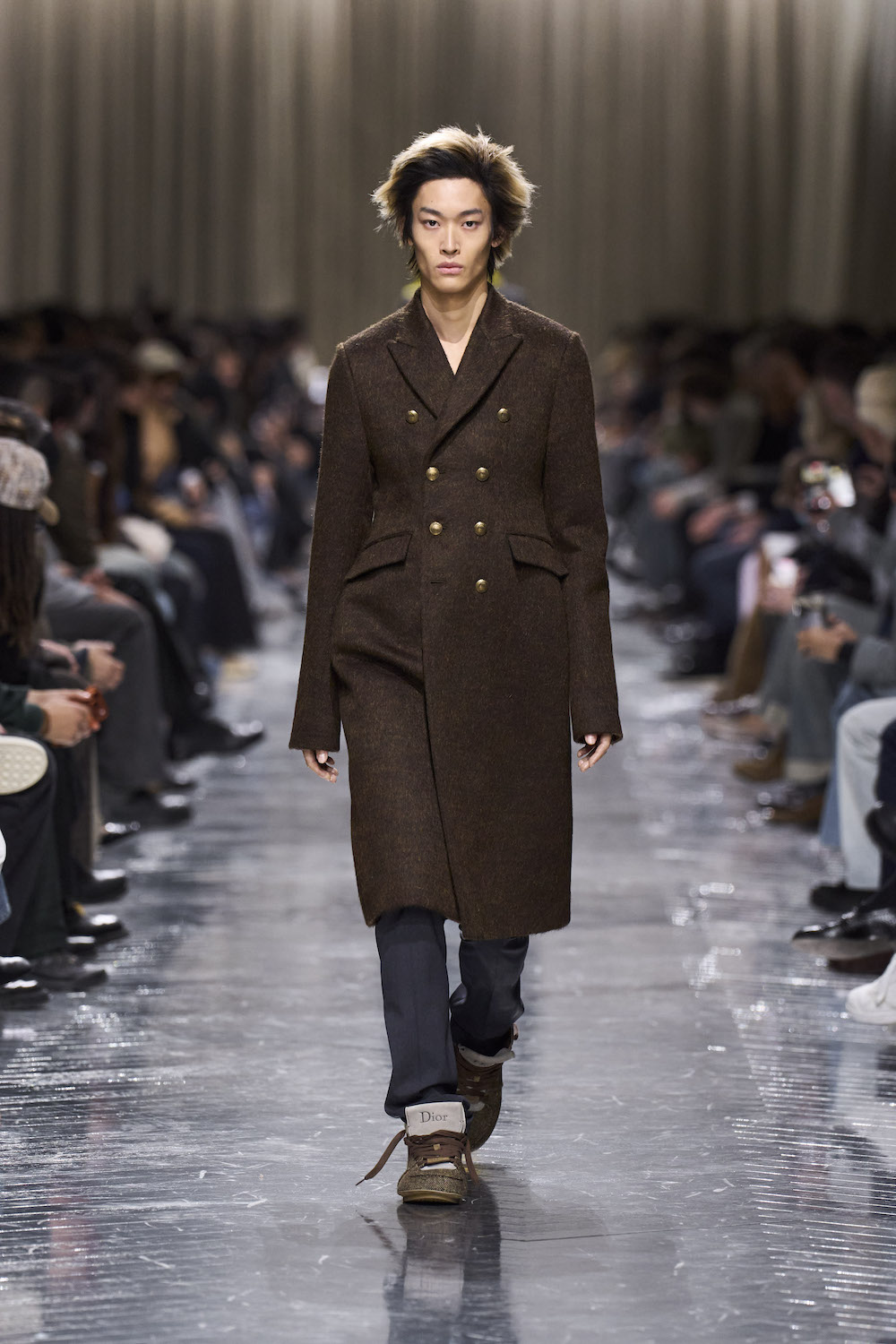
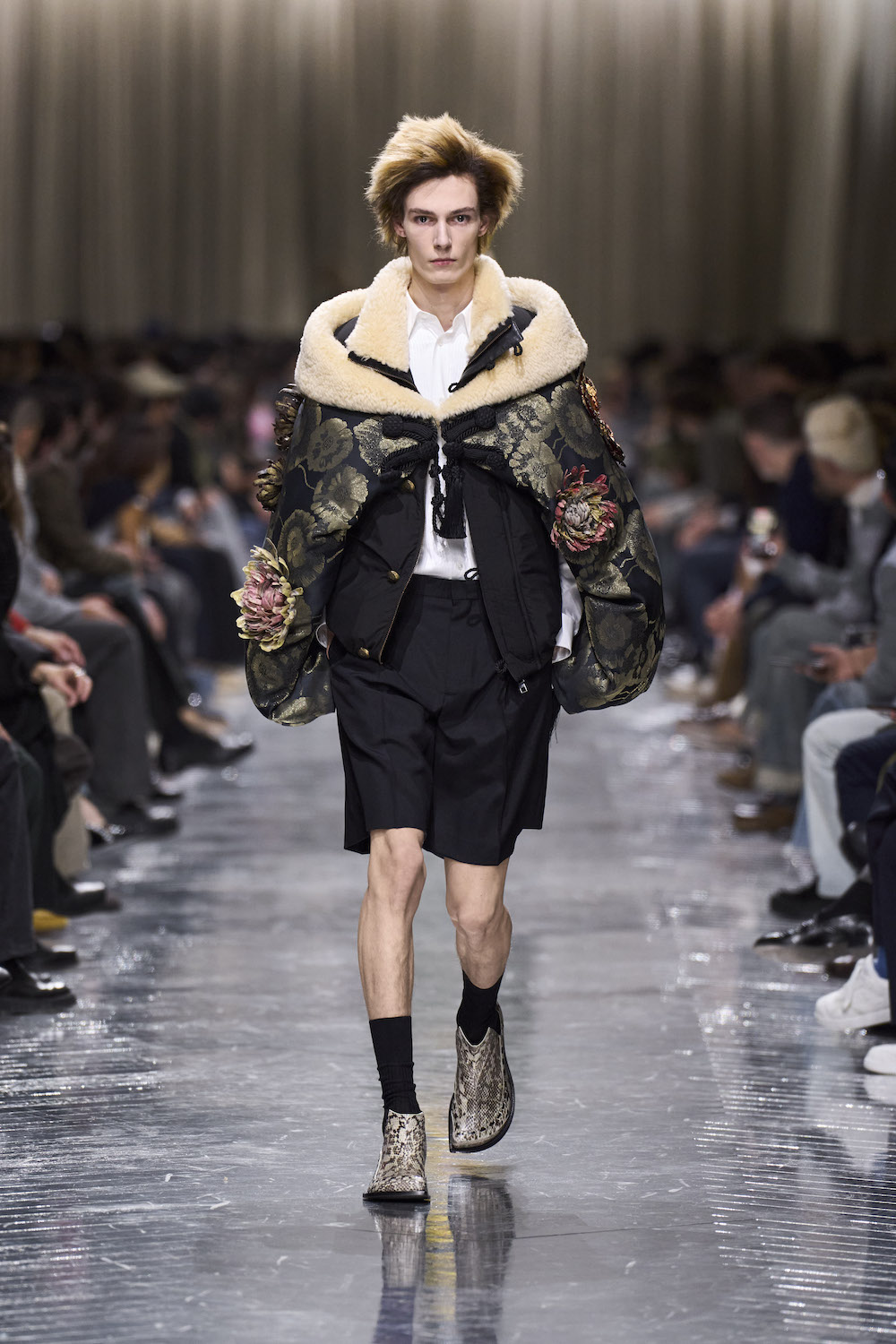
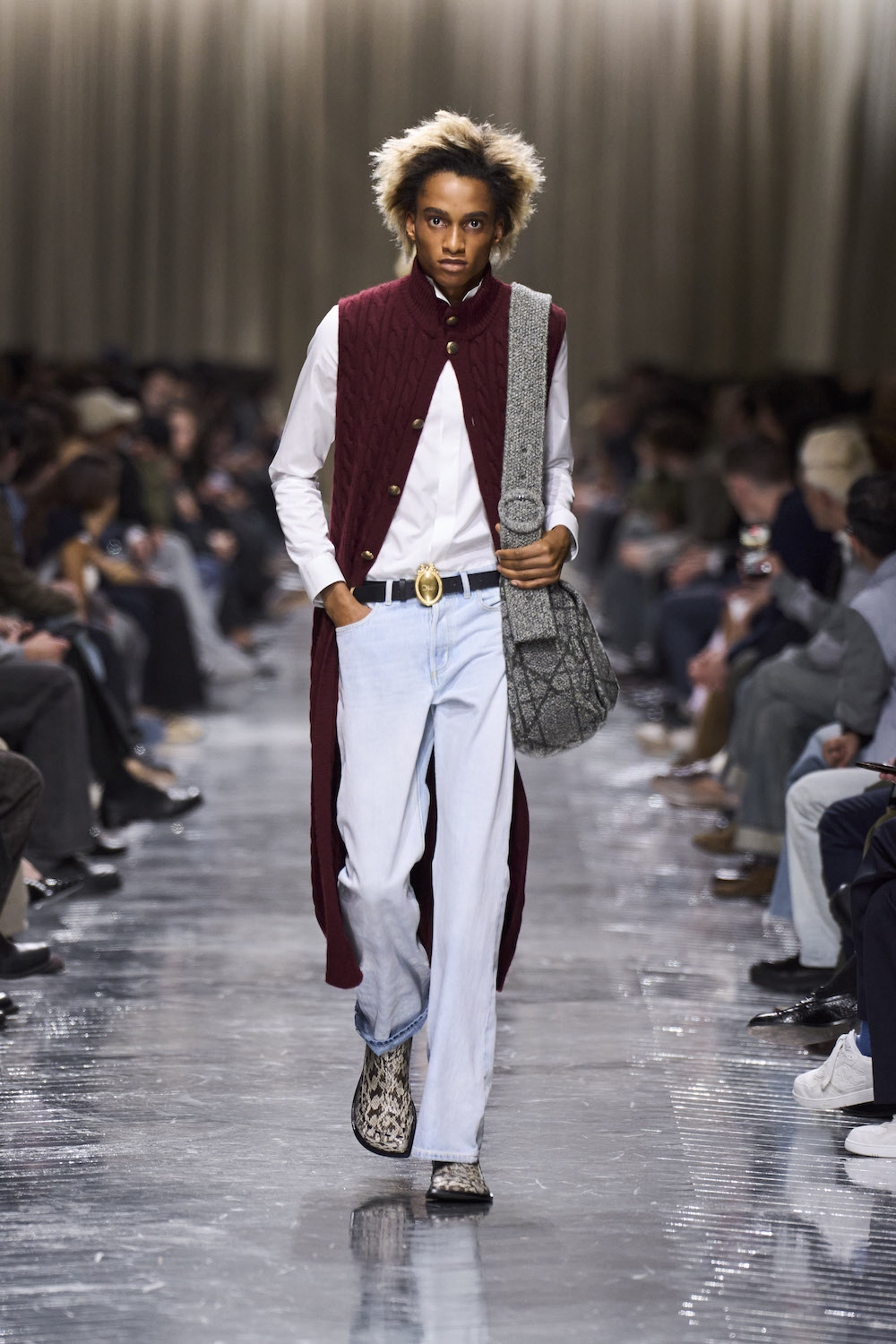
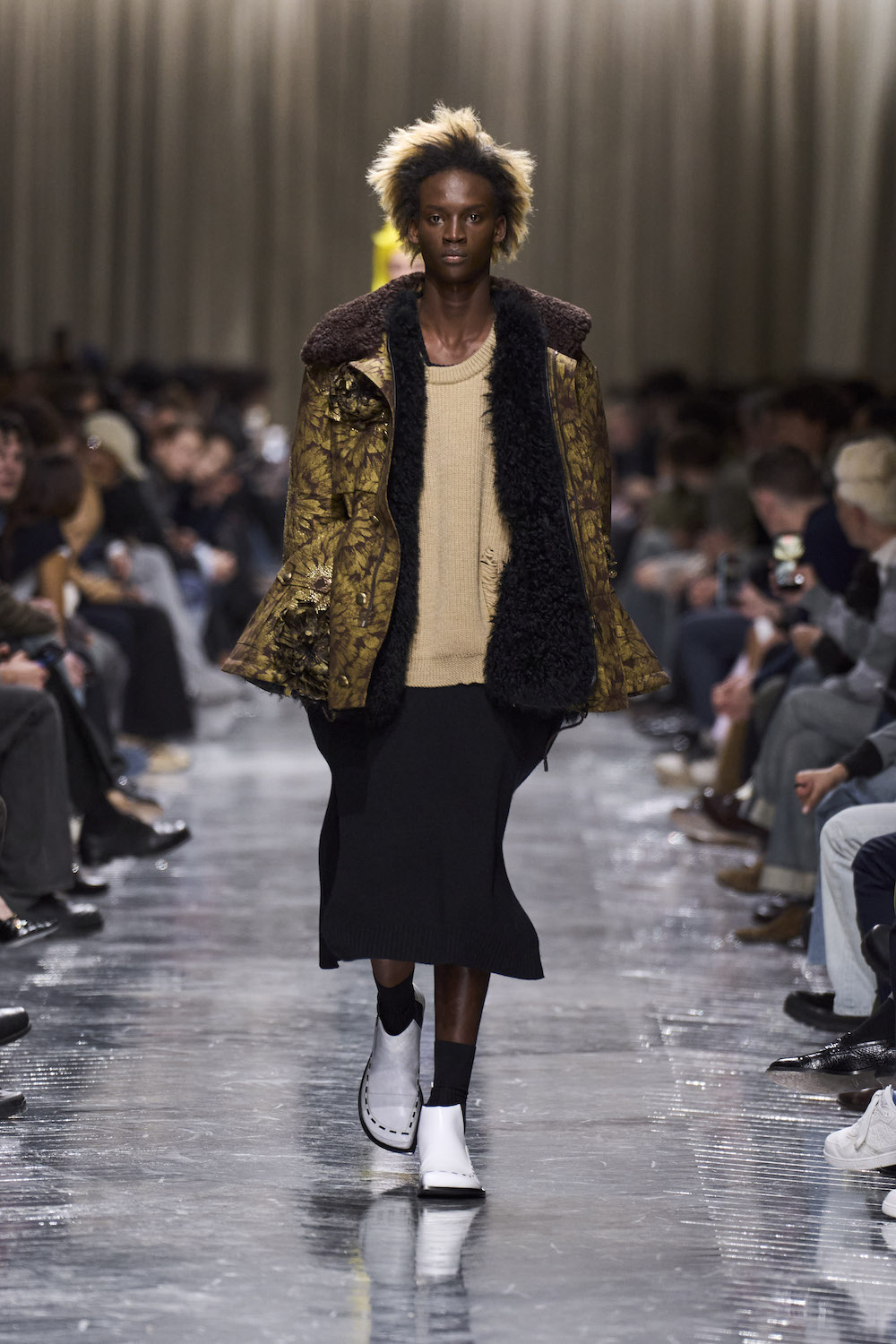
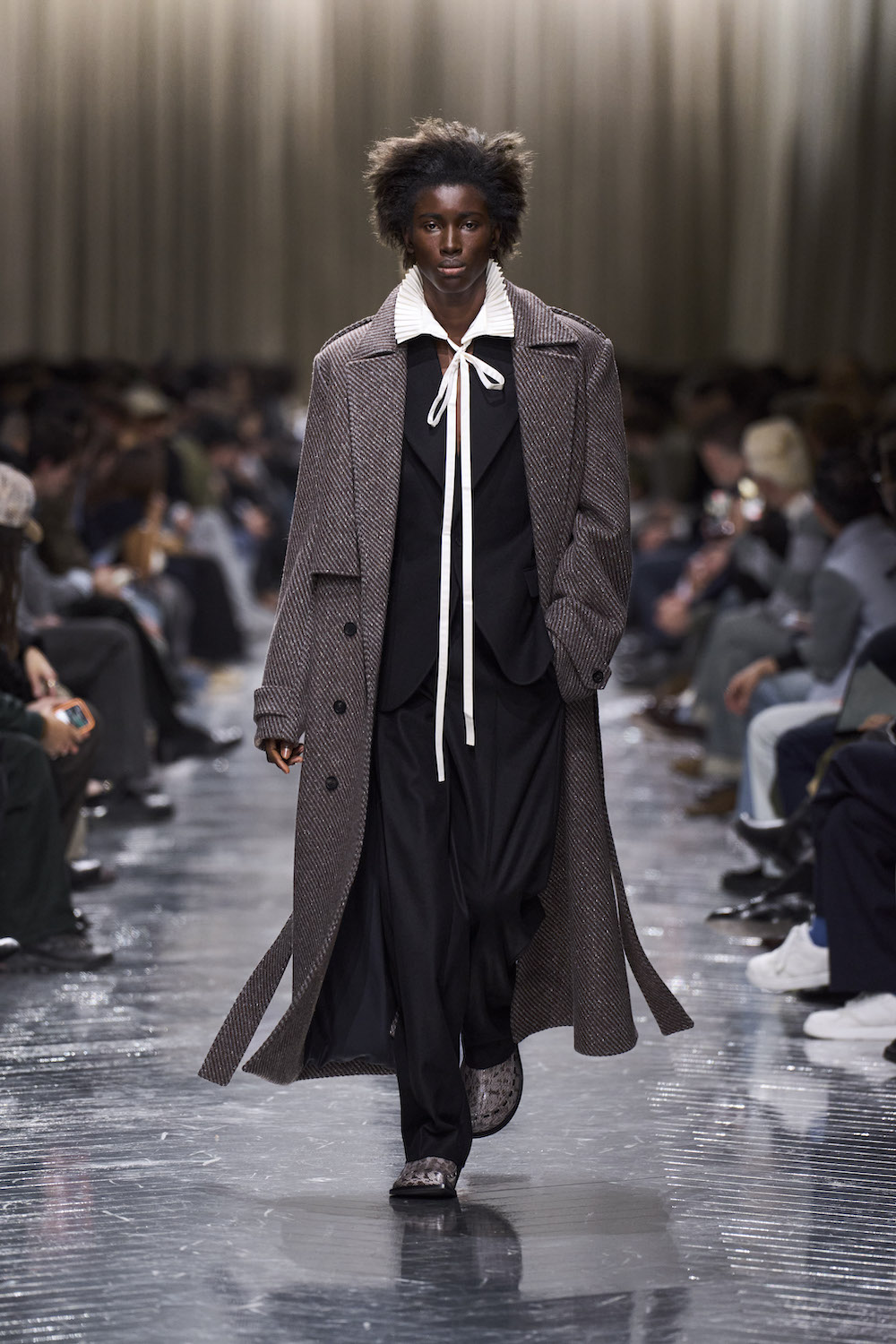
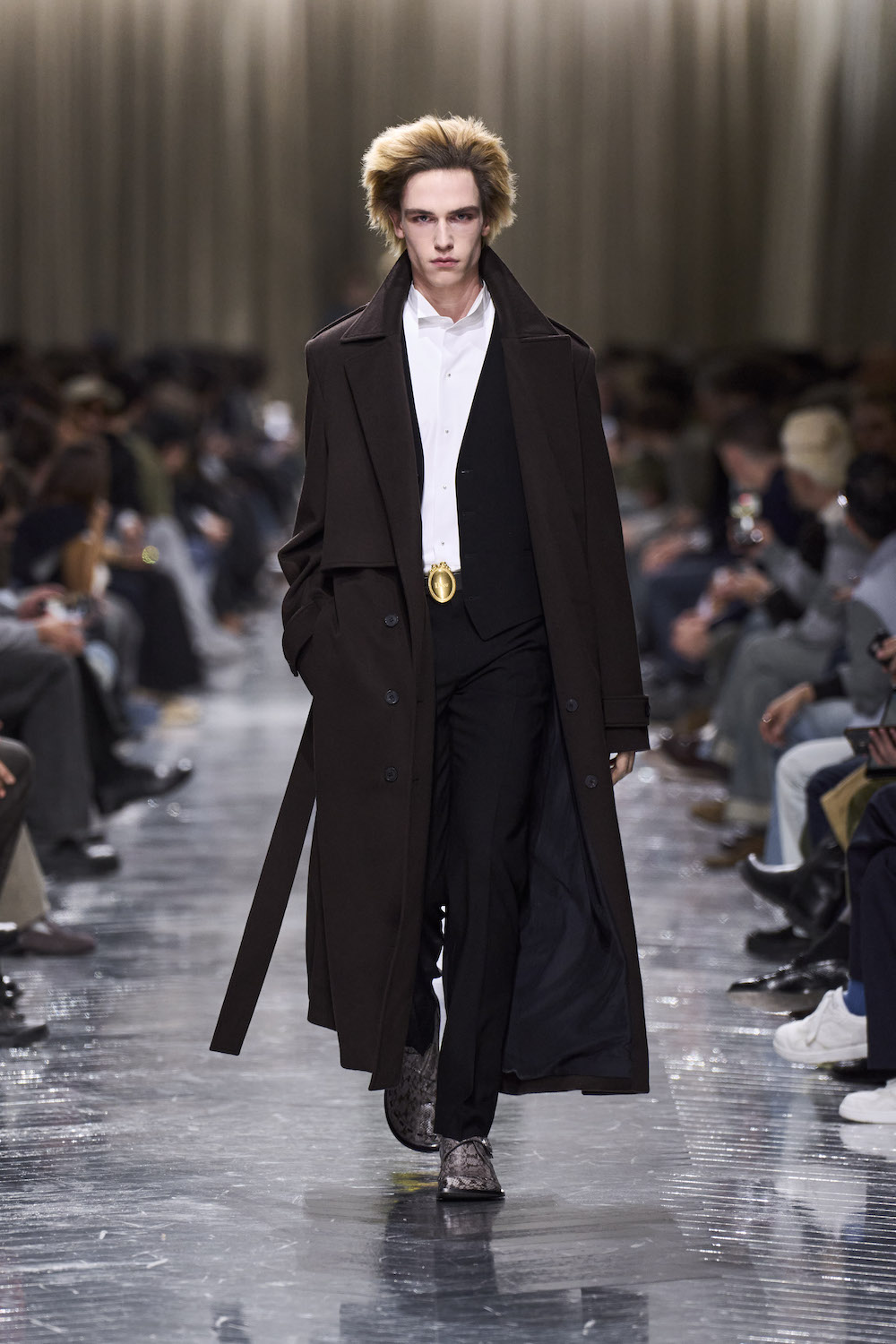
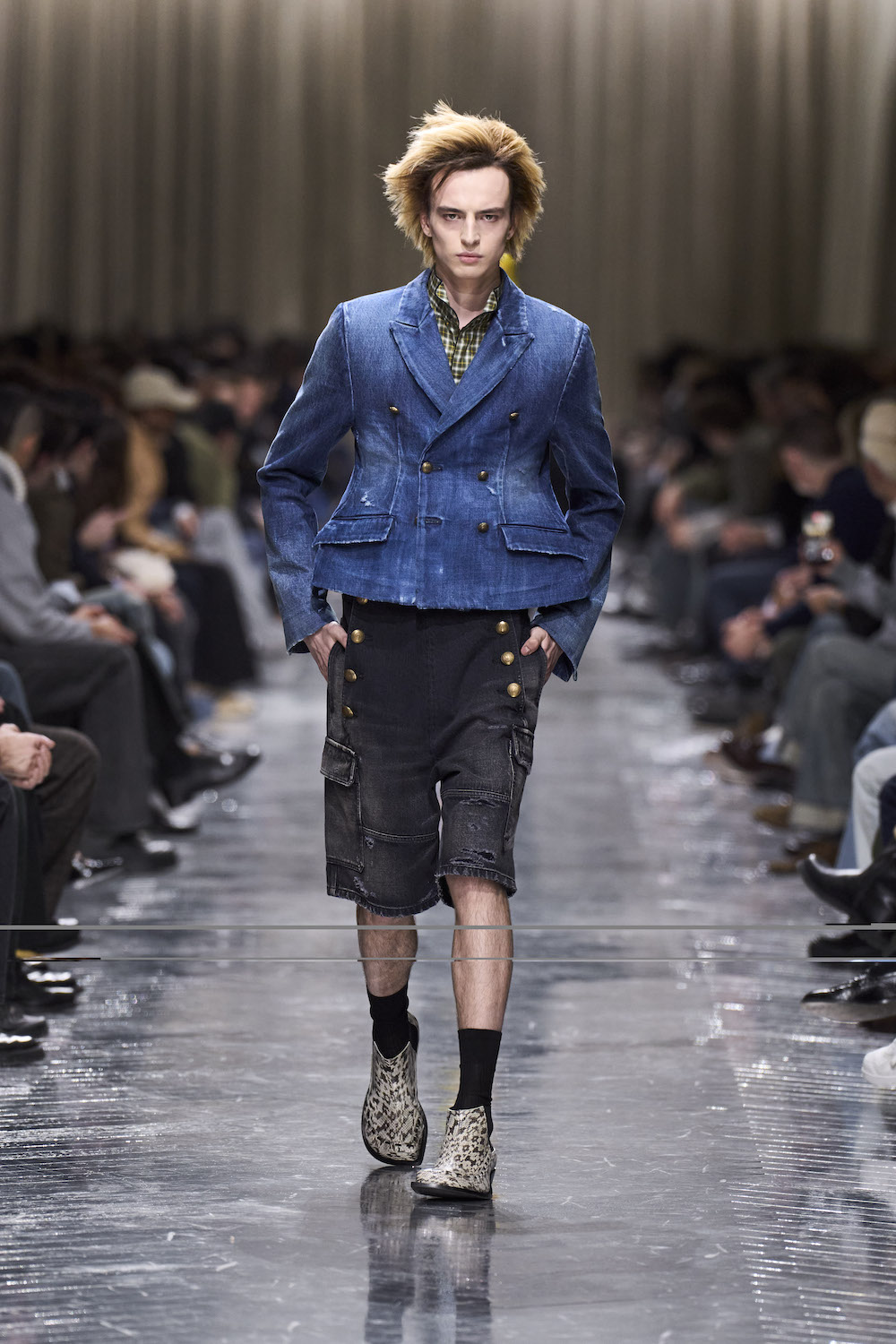
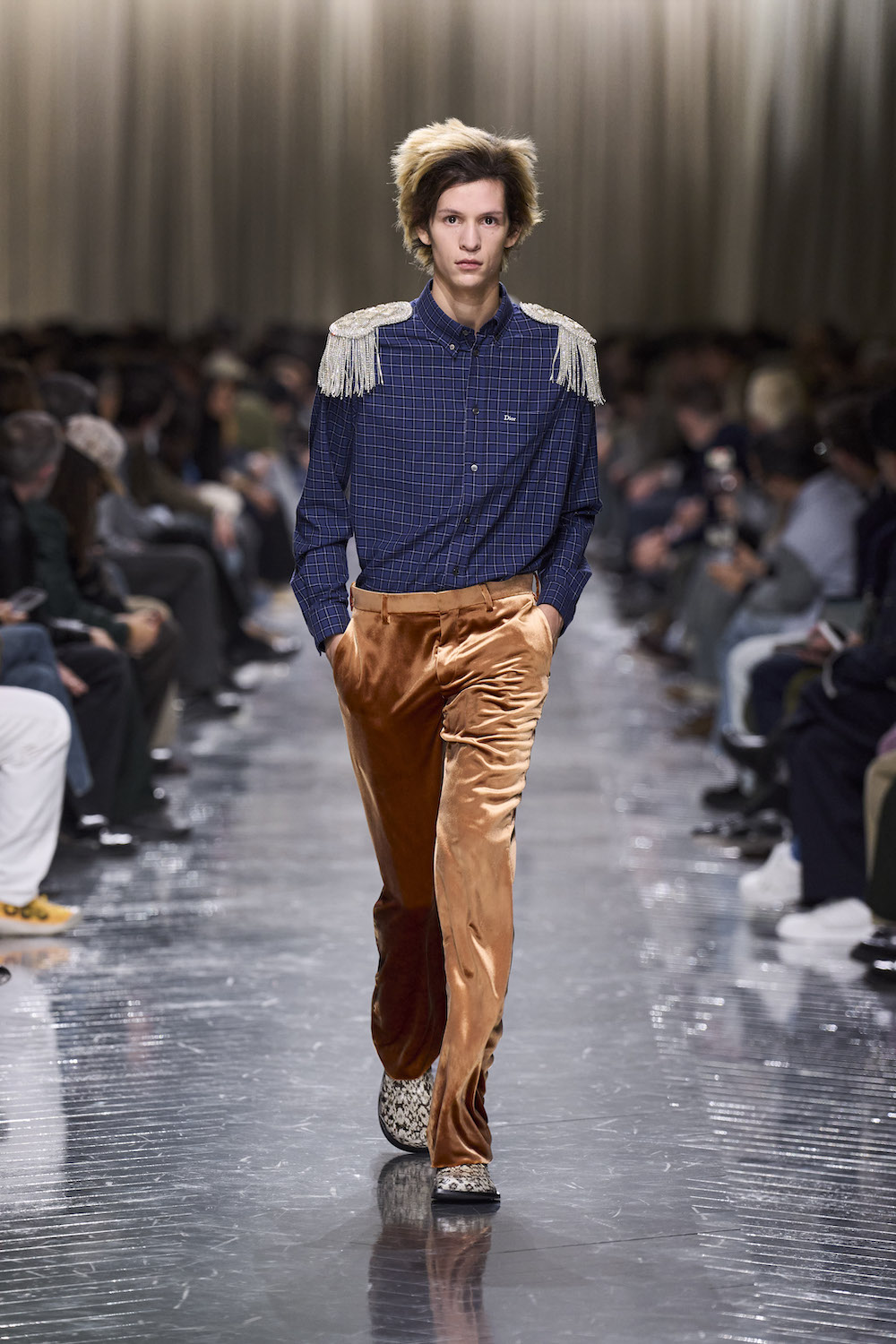
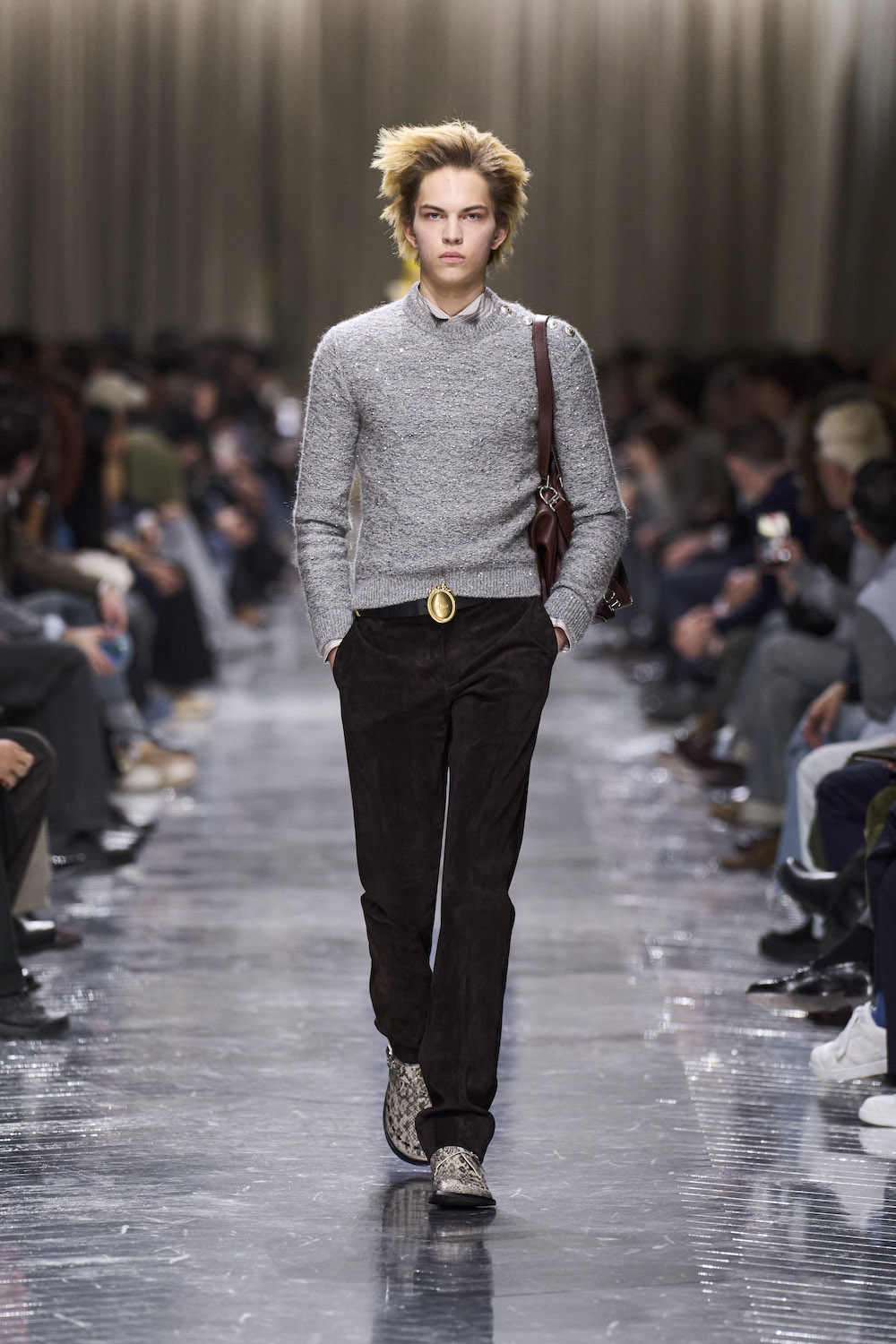
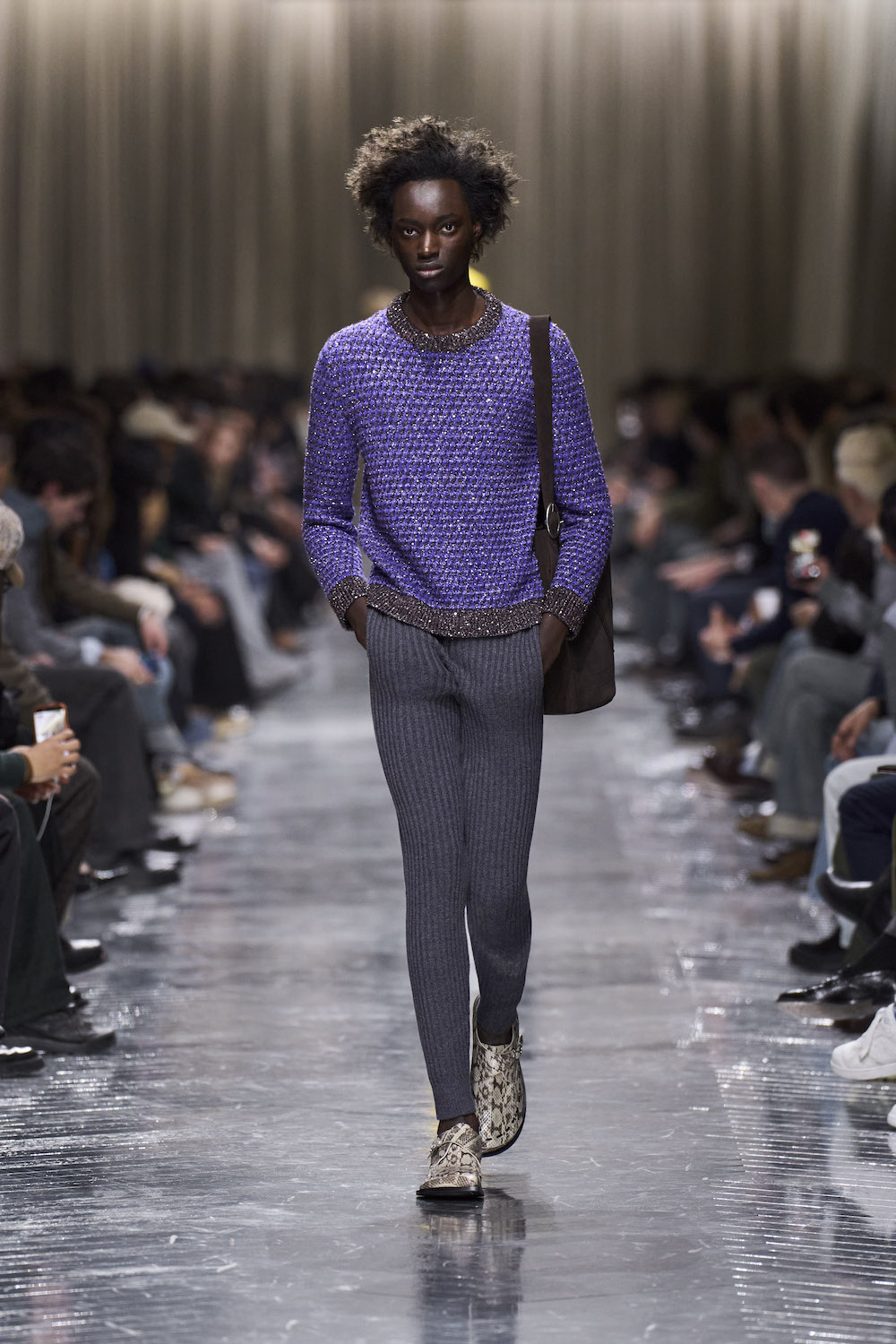
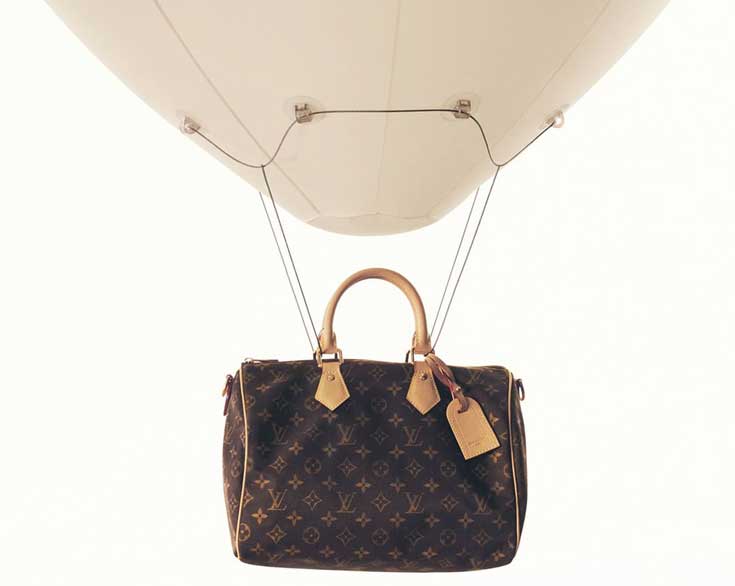
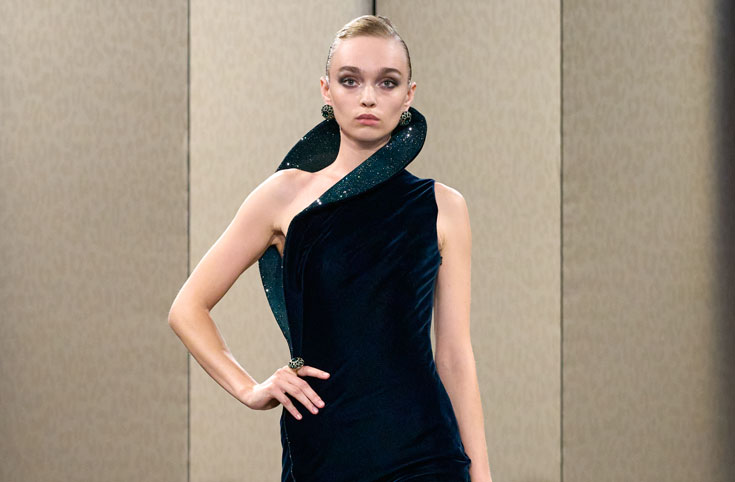
Throughout, Anderson pushed hallmarks of the man’s wardrobe with a wink and a nudge. Shirts came with shiny, embroidered epaulettes. Overcoats had monstrous furry cuffs. Messenger bags looked as if they were crafted from torn-up carpets. The designer’s exploration of dressing up saw him play with proportions. Many of the coats were bulbous and cocooning, including swollen bomber jackets that migrated into swirling, brocade capes. In contrast, tailoring was shrunken tight to the body and cut from Donegal tweeds.
As the designer’s vision for the house begins to unfold, it’s evident Anderson is led by curiosity, to not only reimagine codes at the heart of Dior – here the Bar jacket appeared in battered denim and frayed tweed – but to challenge what makes menswear truly modern. The distinction between past and present is blurred. The result? Truly excellent.
Photography courtesy of Dior.