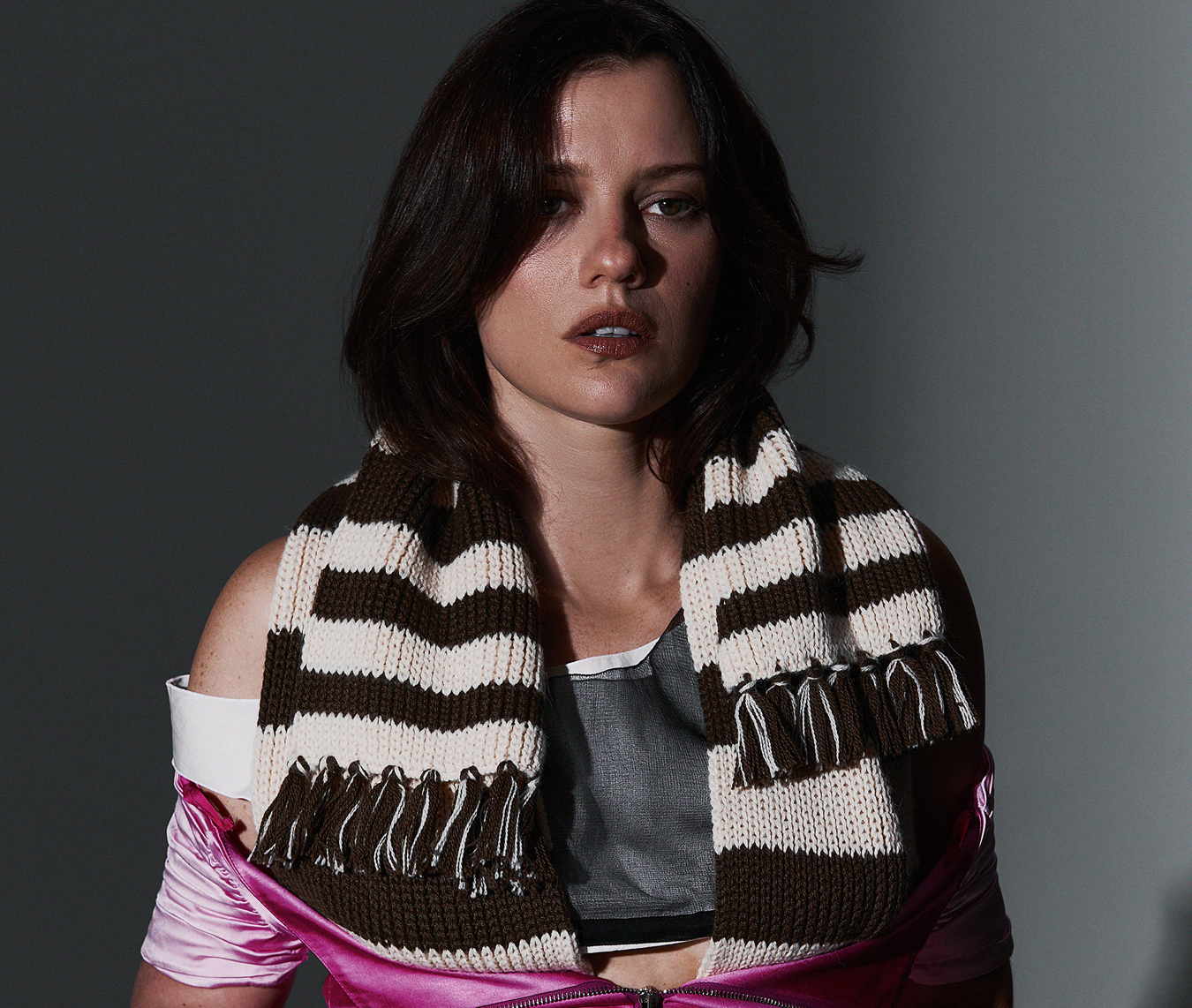
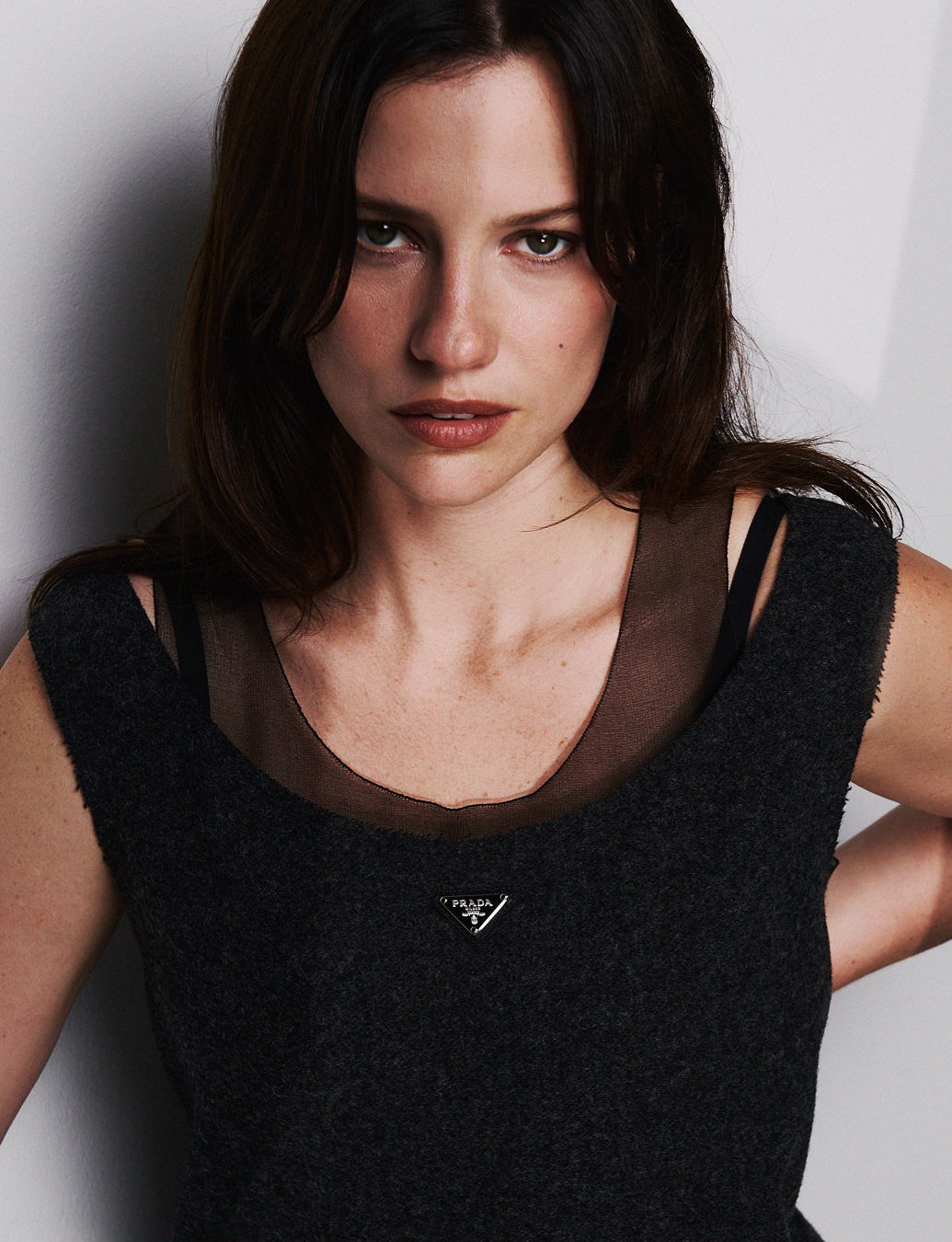
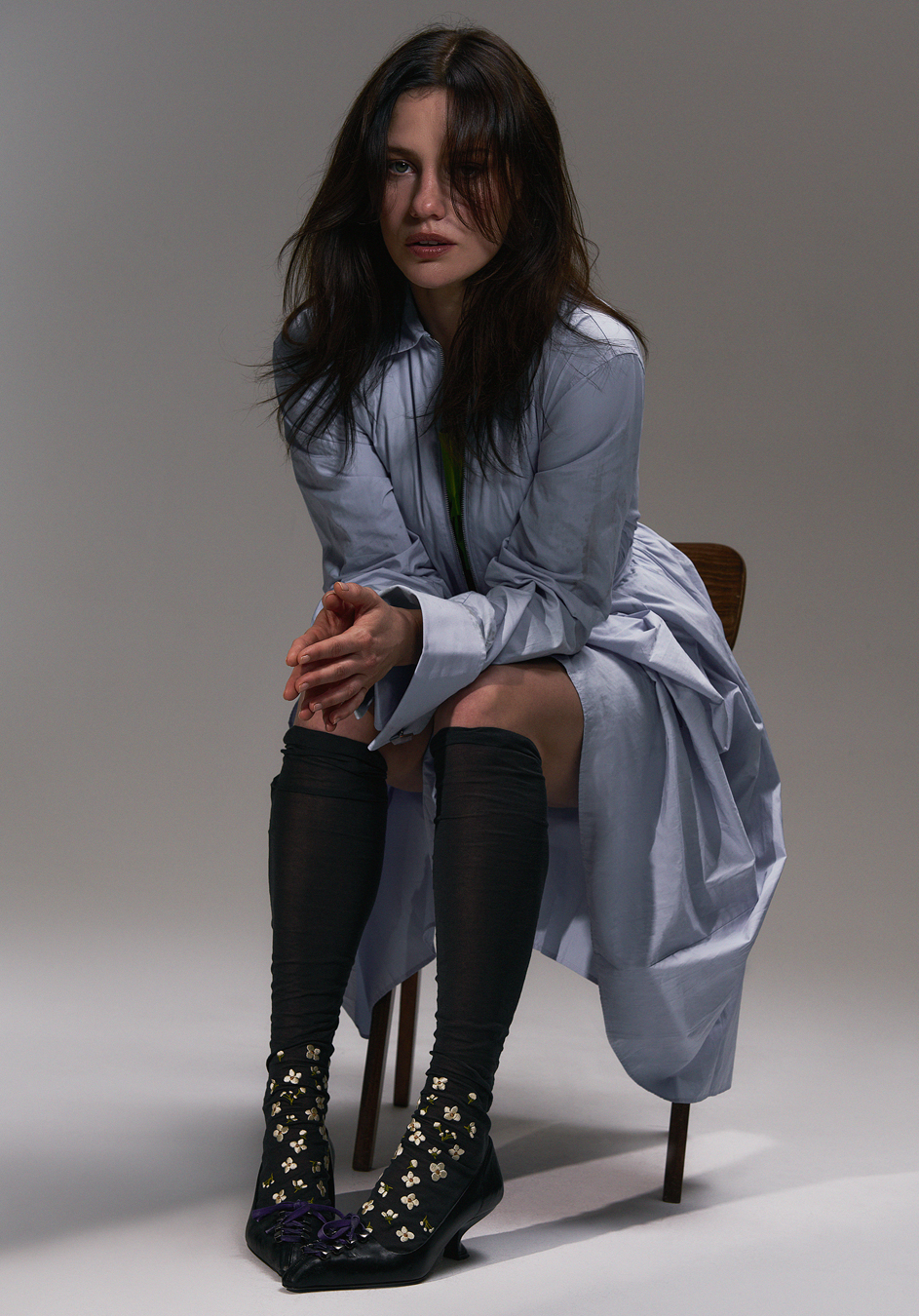
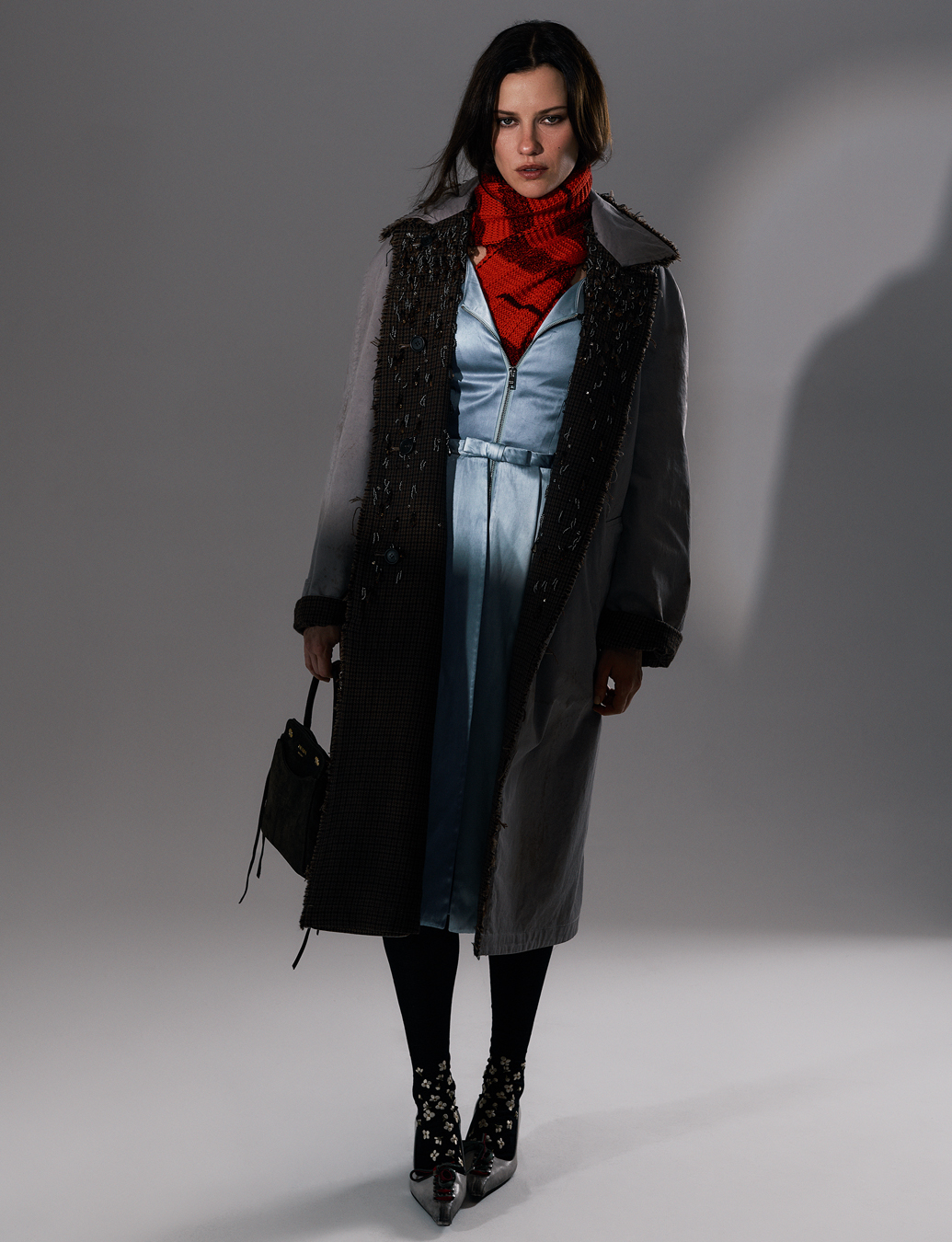
LILY SULLIVAN: DARK SIDE OF THE MOON
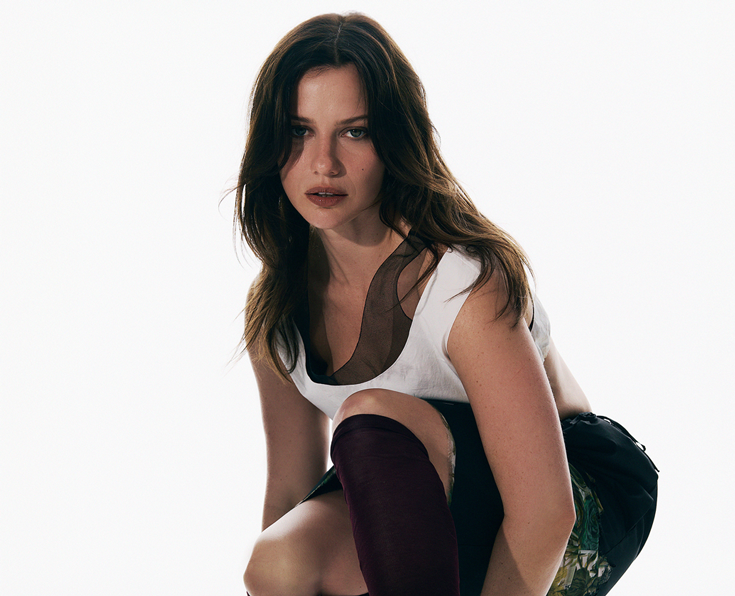
“I’ve had the most nomadic two years of my life, which I don’t think I’ll have again, where it’s just me and my suitcase.” Two years ago, the actress Lily Sullivan sold all her belongings and stripped everything back in her life. “It’s got to be done at some point. There is a shock factor about it,” she says. “For me, it was forced through a break-up and massive change. Then you get to the other side and think, ‘Wow, that is so cathartic.’”
We agree. “Once you push through that first bit of fear of the unfamiliar, it can almost become a drug. You build resistance to being static again. Not that this industry or my job helps. I was like, ‘If I’m going to light this reality on fire and start again, I’ve got to do it the long, dramatic way.’” As an actor, all experiences are added to the arsenal. “Big changes take a while. It takes time to recognise yourself again. Acting is funny because every life experience just deepens the well.”
Sullivan’s first ‘proper’ role was at 17 when she landed the part of Coral Moochmore in Mental in 2012, alongside Toni Collette, Anthony LaPaglia and Liev Schreiber. “It was trial by fire and working with such different actors taught me straight away that there’s no right or wrong way to approach the craft. You get very good, very quickly at eradicating shame and embarrassment. Mental pushed me into that world and into working with P.J. Hogan.” The classic Muriel’s Wedding (also directed by Hogan) was one of Sullivan’s favourite films growing up. “It felt like jumping into an oil painting. Here’s this thing you’ve loved as a kid then suddenly you’re moving and dancing inside that world. Toni Collette said to me, ‘You’ll watch your life disappear through film chapters’ she was right. These shoot chapters become pop-up realities and then they disappear. That can be traumatic but you get to meet so many wonderful people and collaborators.” Sullivan does admit that, “It’s been a gift and a curse starting that young because it’s really all I’ve ever known.”
Her body of work in the past decade has been consistently great, as she’s choosing parts that play to her informed sensibility, from the early Galore in 2013 to the 2018 TV version of Picnic at Hanging Rock. Horror resonates with Sullivan. Her earliest film memory is of Tim Burton’s Sleepy Hollow. “My mum took me to see it. I was terrified. I think I was eight! I absolutely loved it. I’ve always loved horror and eerie films.” This is self-evident in some of the recent ‘chapters’ of work including Monolith, Evil Dead Rise and the recently released Soulm8te, a spin-off of the hit horror M3GAN.
“It’s funny, the more extreme and psychologically intense the work is, the more I enjoy it. That’s one of the reasons I loved Soulm8te so much, I got to lean into that. I’m weirdly comfortable in those darker spaces. There’s something about being able to express emotions we don’t normally show. To become malleable inside those feelings feels playful. Ironically, doing darker material can make you less afraid of it… There’s something about exploring fear that makes it feel less frightening afterwards.”
Her process has inevitably evolved over the past decade. “I used to get very lost in the intellectual side. I’d ask myself, ‘What is this character feeling? What’s their relationship with this person? What’s happened before this scene?’ You do all that preparation, but none of those thoughts help you on the day. Now I work much more through the nervous system. I know my lines. I know where I’ve come from and where I’m going. Then I ask myself, where is this sitting in the body? Maybe it’s an ache in my chest. Maybe I can’t feel my right hand. Maybe my breathing is different. I let the lines find me from a physical place.”
Working closely with cinematographers has also changed the way she works. “Understanding the shot, what the camera is actually seeing, you realise you don’t have to completely destroy yourself emotionally every take. The body speaks louder than words. The camera picks up tiny things. It gets you out of your head and back into your body,” she says. The words are already there. Someone has thought deeply about the script. You’ve rehearsed, you’ve done the work and at that point it’s simply asking: how anxious are they? Where does that anxiety live? So, it is much simpler now and actually it gives more freedom.” She has never worried about getting lost inside a character. “I’m honestly too much of a laugher. The moment someone calls “cut”, I’m out. I’m laughing, shaking it off. Reality is always there.”
She was inspired, in part, to become an actor when she went to see a production of A Streetcar Named Desire in Brisbane. “I remember thinking, ‘How did you make me feel heat on a stage?’ Tennessee Williams, that whole era… I was completely transported. It was such a physical, live transaction between audience and performer.” She would love to play Blanche DuBois one day and when pushed to cast Stanley, she picks Jack O’Connell. “I think he’d absolutely tear it apart.”
For her upcoming movie The Engagement, scheduled to come out next year, she didn’t audition, instead she shares that, “Dacre [Montgomery, the director and one of the fellow leads] and I just jammed together, which was beautiful. It’s basically a four-hander in one location. It felt like rehearsing a play. It’s about toxic relationships and old narratives that keep people trapped. We kept calling it ‘growing pains for adults’.” She adds that for Soulm8te, which is now streaming, when she first met the director Kate Dolan she ended up telling her every reason why she thought she couldn’t do the role. “Every fear. Every insecurity. I thought I wasn’t right. By the end she just said, ‘You have the part.’”
In Soulm8te, Sullivan plays an android, Sara, “It’s wild, and it preys on everyone’s fears at the moment, but playing an android – man! It was exhausting. It became much more about playing a constructed version of femininity than just an android.” She tapped into Jacques Lecoq’s approach to physical theatre, “With my movement coach we built Sara through mask work. Even though it’s AI, it felt so handcrafted in a funny way. Like deconstructing human movement, then rebuilding it around the logic of a machine.”
What fascinated Sullivan was that Sara “learns femininity. AI learns everything: observing, mirroring, responding. Sara wasn’t just absorbing human behaviour but the male gaze as well, ideas of sensuality, being desirable, submission. It made me question how much of femininity is instinctive and how much is performance.” She says that it felt like “filtering femininity, through the heightened fantasy of a ’90s erotic thriller. So old Hollywood tropes of what it is to be a woman on screen, what it’s like being an actress in an industry with unrealistic expectations and ideals.”
“Sara,” she adds, “is designed to be a manufactured, impossible ideal from a man’s design as this love bot, sex doll, yes, let’s call it what it is.” She wanted the audience to feel the silicon of her and every day Sullivan had to dance with that dark “inky part” of herself with a shadow voice whispering to her, which says, “You’re not beautiful enough to do this, you’re not enough.” Each day brought make-up, a blonde wig, a push-up bra, colouring her body and getting rid of imperfections. “I was wearing high heels, the dress that fitted to an absolute tee, and you’re dancing with all of these things as a young woman in an industry in which you want to be free on screen in your raw and unfiltered self. And then I found myself in this confined box, literally in a box.” The movie begins with Sara ‘opened up’ in a box, naked. “It’s outrageous,” she says with a laugh.
Of course, Sullivan committed to it. “I had to do it properly, be confronting, so men can project and be satisfied because of their own inabilities to be vulnerable or confront themselves. And so they could have a life with this doll. It was many levels of playing submissive, hypersexual, attentive, all these unrealistic ideals… I was trying hard to fit into these ridiculous expectations. It was a mental dance.” She is currently immersed in scripts and has just read a 2009 collection of short stories, The Dangers of Smoking in Bed by Mariana Enriquez. “It’s mostly about women. It’s creepy and strange, but really beautiful. She uses horror to explore loneliness, grief and the darker parts of being human.”
Her decompression time-out default is to disappear. “I’ll happily get in the car by myself and go for a road trip. I’ll find somewhere in nature and throw out a picnic rug. Lie there like a starfish. I need isolation. Nature is everything for me. Then movement, exercise. Those two things together are the ultimate dopamine hit. That’s what brings me clarity.” She loves music. Her first concert was Luciano Pavarotti. “That rocked me. I was young and didn’t understand opera but it didn’t matter – it became about vibration and emotion.” She saw Fleetwood Mac with her mum, with whom she is close. “Those are vivid childhood memories. I saw them in Canada while I was working on a TV show. Mum came over and we went together. We had the best time. Music is the purest and sexiest artform there is.” Her desire is to see Kylie perform one day. “I still can’t believe I haven’t seen her!” Then Cher. And if she could resurrect someone, it would be Prince. “You’ll always find me on a dancefloor somewhere,” she says.
Her closest friends are scattered around the world. “My greatest loves are still in Australia and they’re my sisters. They’re my heart.” Australia is important. “Whatever trees and birds you grow up with become your definition of home. My childhood people are there. There are certain people and places that simply bring your whole nervous system to rest and Australia does that for me. I genuinely switch off when I’m there. You arrive back inside yourself.”
She begins her morning lying on her back. “I learned it from Ruth [Lehane], my movement coach on Soulm8te. I carried so much tension while playing Sara. She taught me this exercise where you imagine your pelvis is a shallow pan filled with oil. Very slowly you let the oil roll around. It’s almost impossible to see the movement. It equalises the body. It’s changed everything.”
Recently, Sullivan has come to realise that she has a deep desire to direct. “I’ve learned so much from the directors I’ve worked with. That’s definitely there.” She is on the journey. “The way I’ve lived my life has always run alongside the work. The job has never defined me,” she says. “Instead, each role seems to meet me where I am in life. Not Lily the actress. Just Lily. There’s a nice synergy in that it allows me to travel, live nomadically, taste different realities. Then pause between jobs and experience other people’s worlds. I feel very lucky.”
Sullivan’s guiltiest pleasure, she confides, is, “Probably not my best quality, but I secretly love overcommitting myself socially… And then cancelling all my plans so I can stay home. There’s this strange guilty pleasure in cancelling everything. You know you probably should have gone but instead you’re sitting on the couch with a glass of wine watching The Witches of Eastwick.”And with that, it’s lights out. Tomorrow she is off to Egypt for a trip with friends. One that won’t be cancelled.
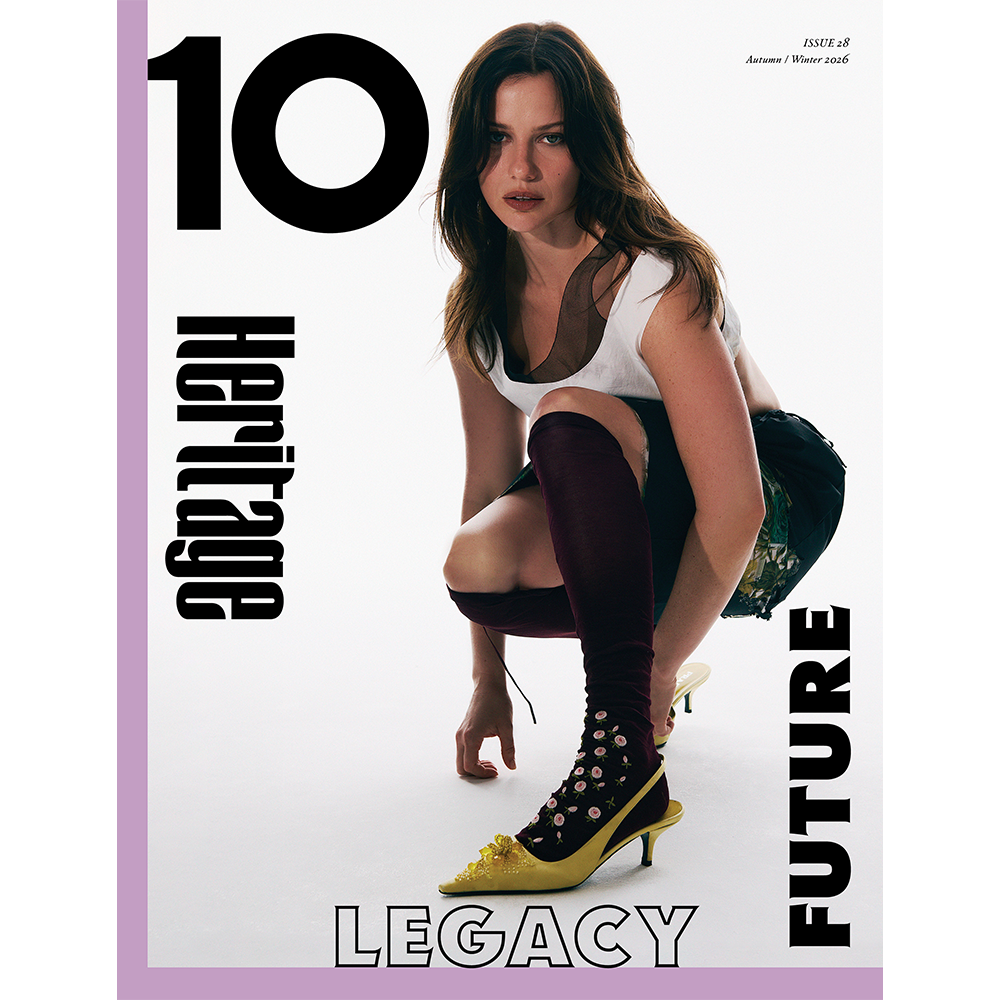
Taken from 10 Magazine Australia Issue 28 - FUTURE, LEGACY, HERITAGE - out Friday.
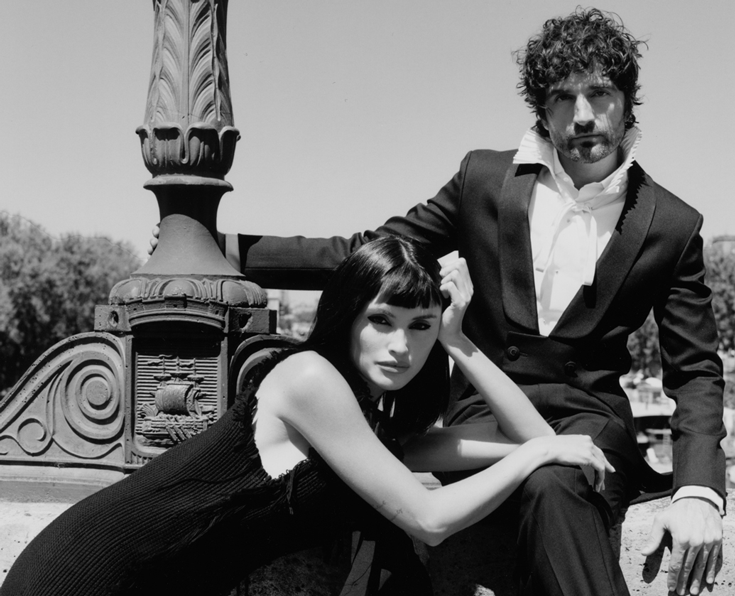
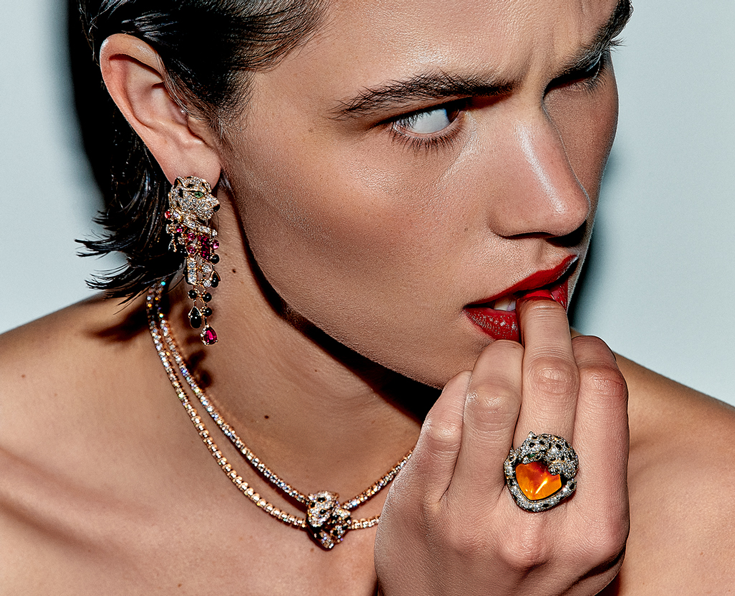
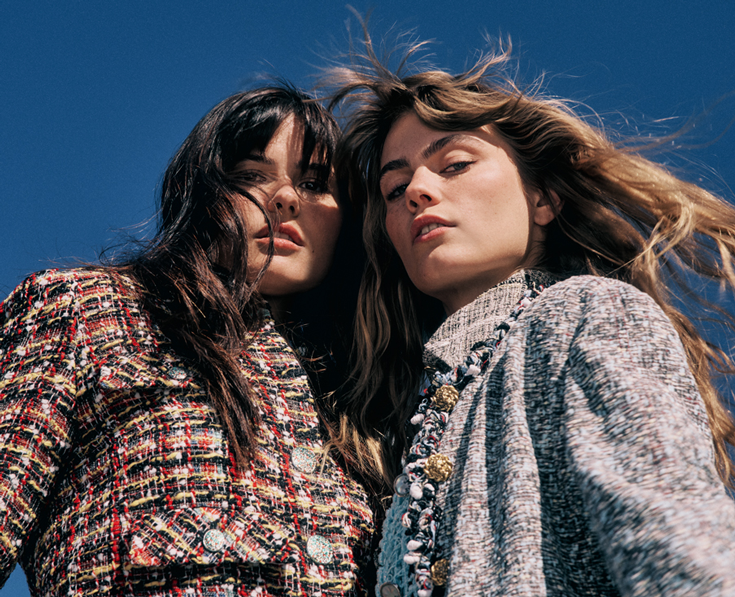
Photographer SASKIA KOVANDZICH
Fashion Editor KAMRAN RAJPUT
Talent LILY SULLIVAN
Text ALISON VENESS
Hair JAZ LANYERO at Agency 41 using SCHWARZKOPF Professional
Make-up JESSE WALKER using LISA ELDRIDGE Beauty
Fashion assistant CATALINA SAINZ PALACIO
Photographer’s assistant JOSHUA BENTLEY
Production FOND WORLD
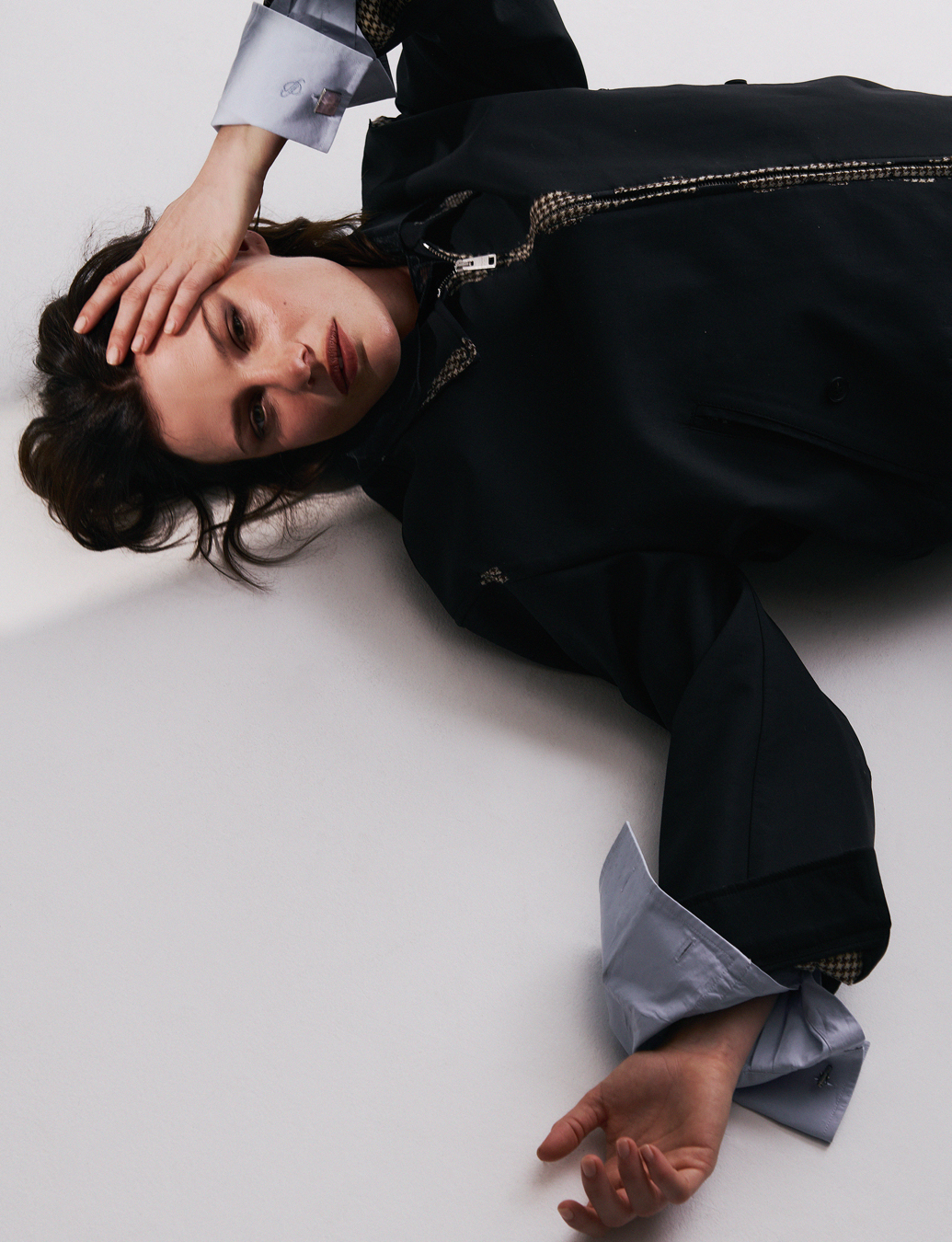
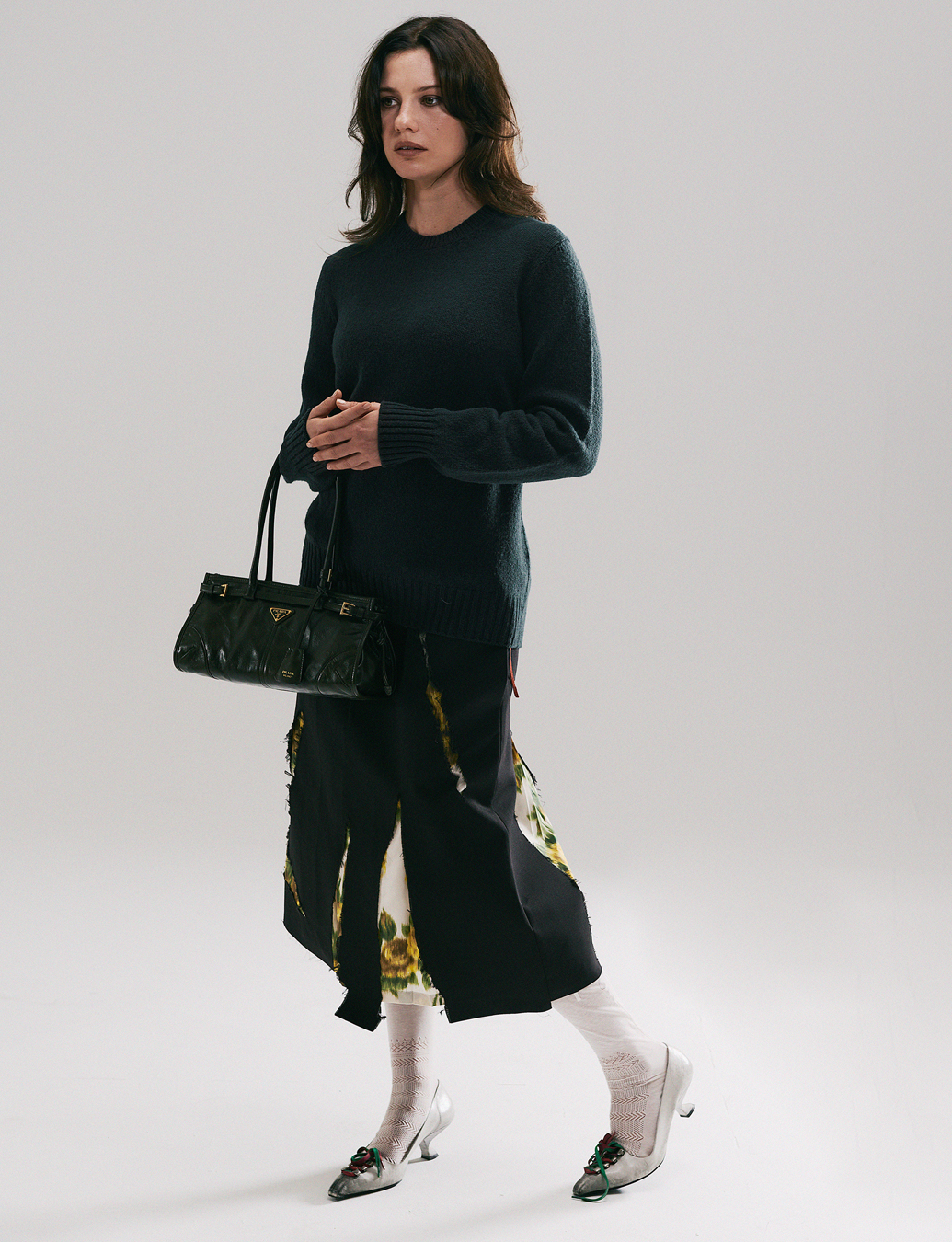
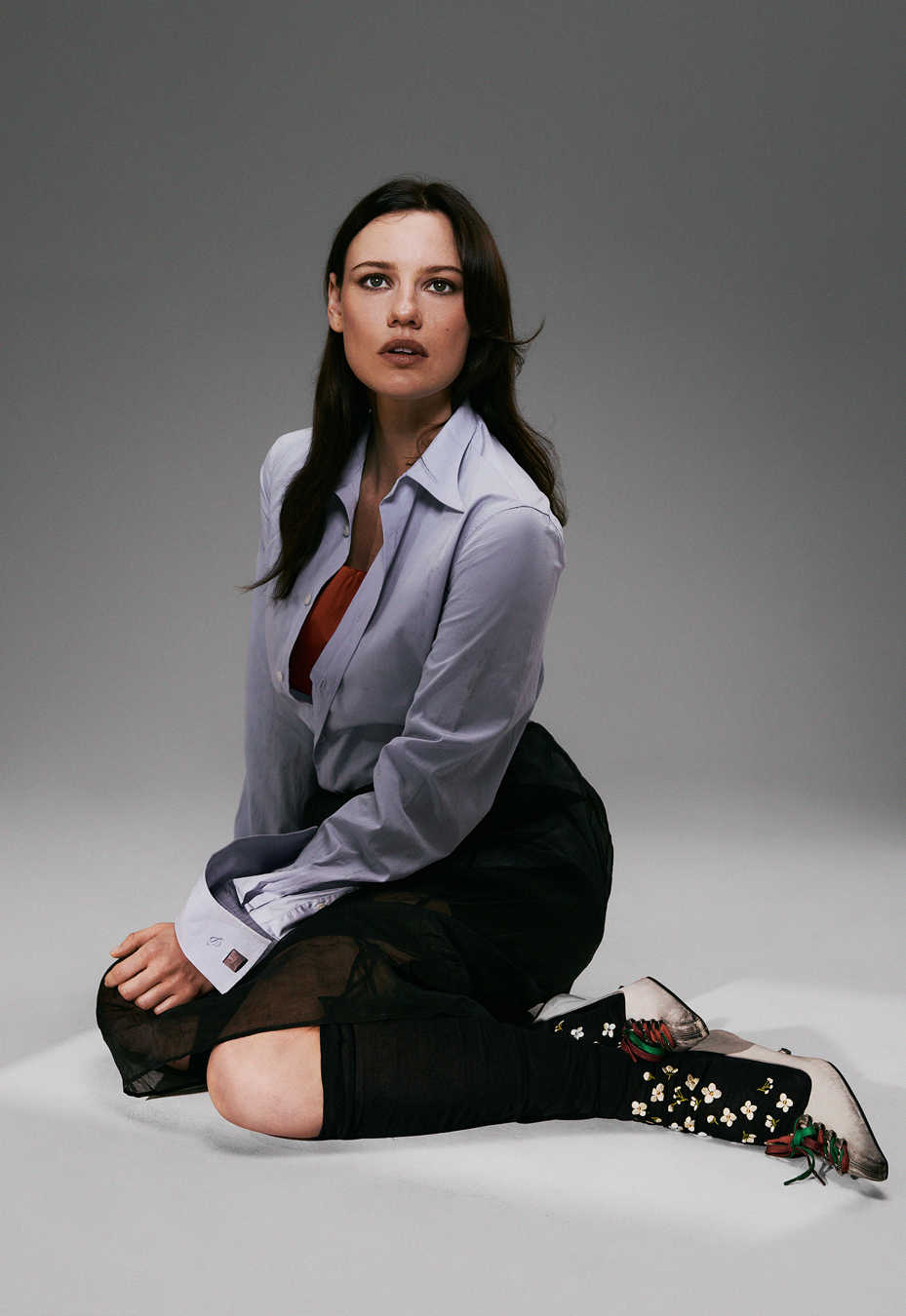
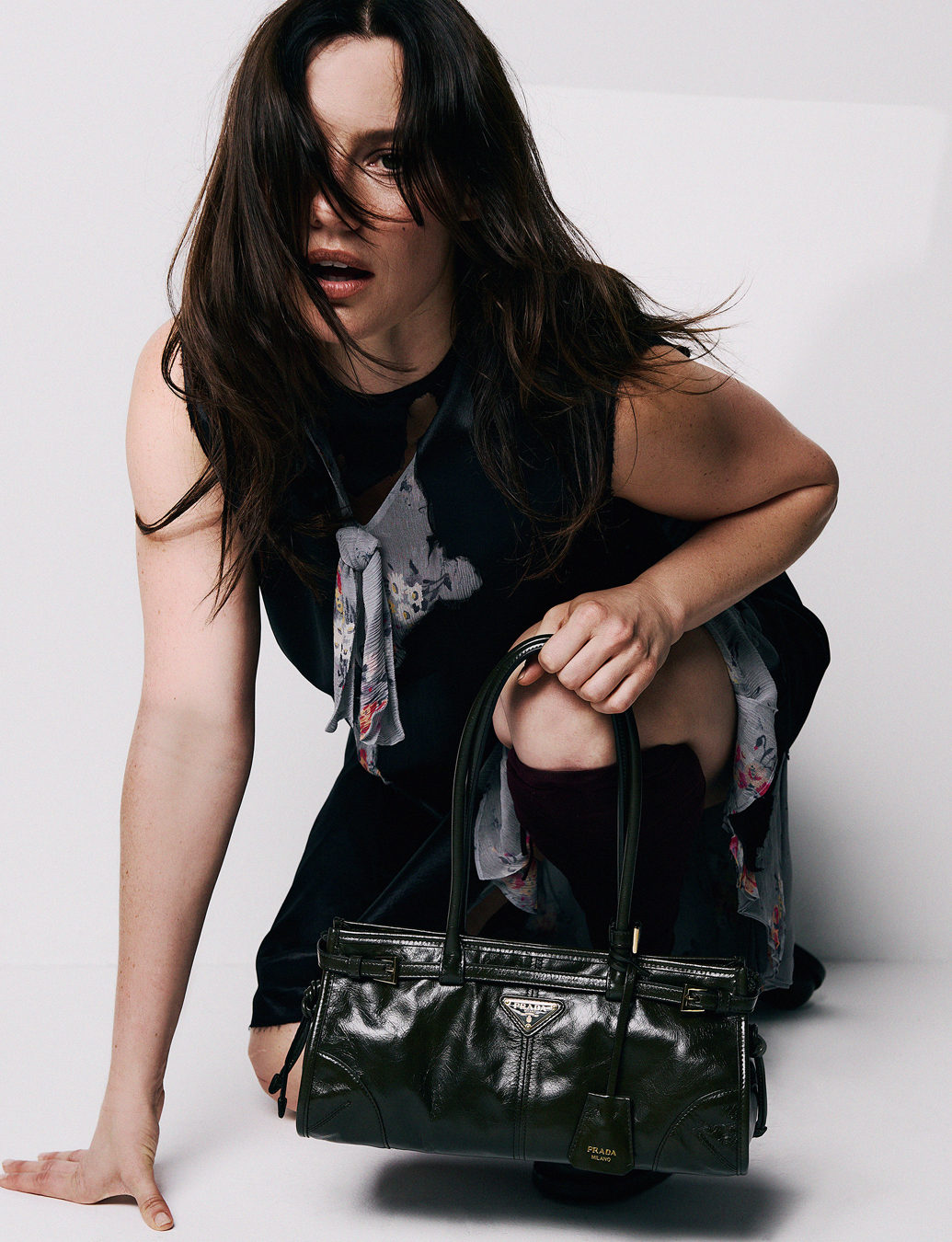
Clothes, bags and shoes throughout PRADA AW26