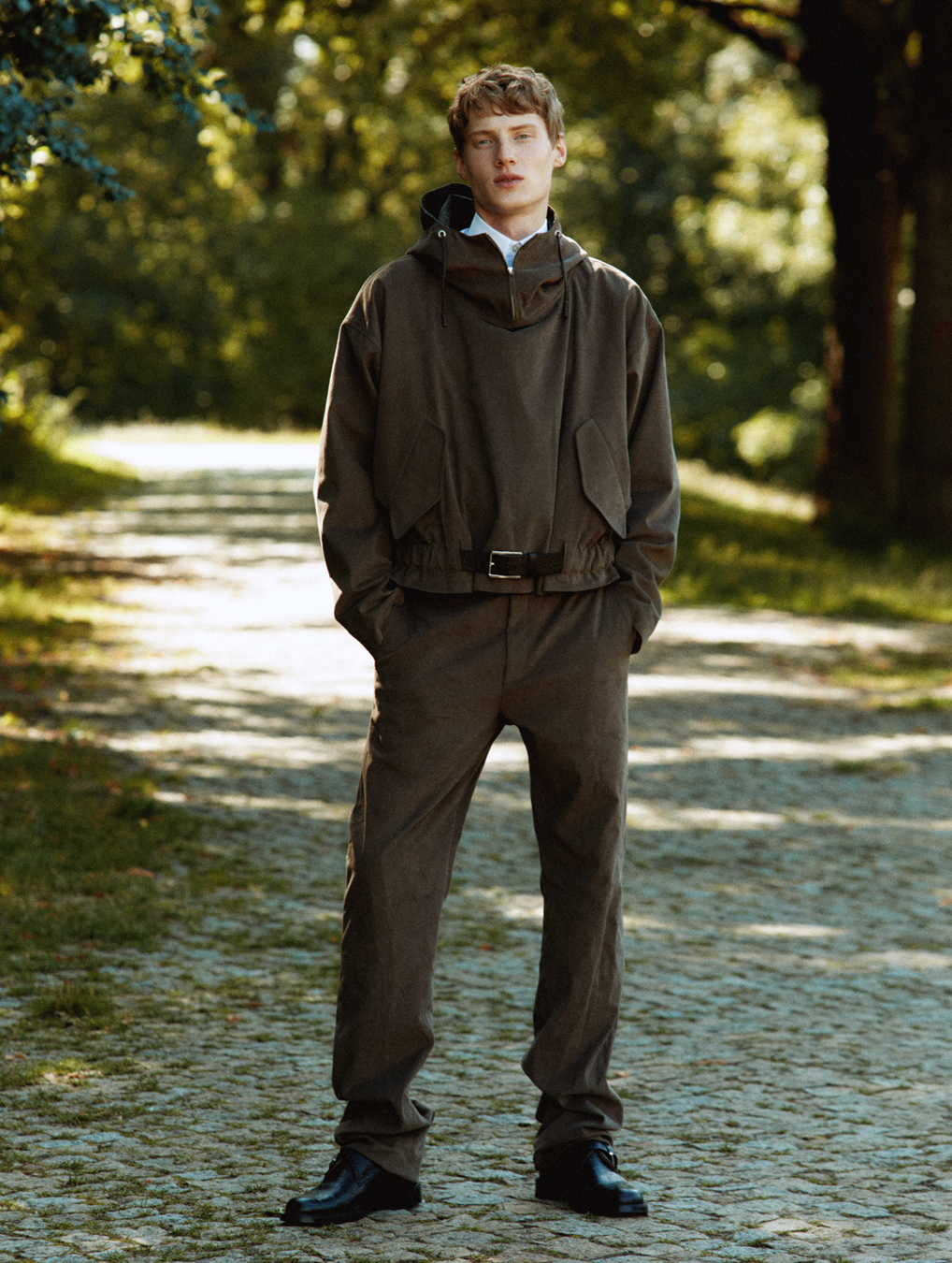
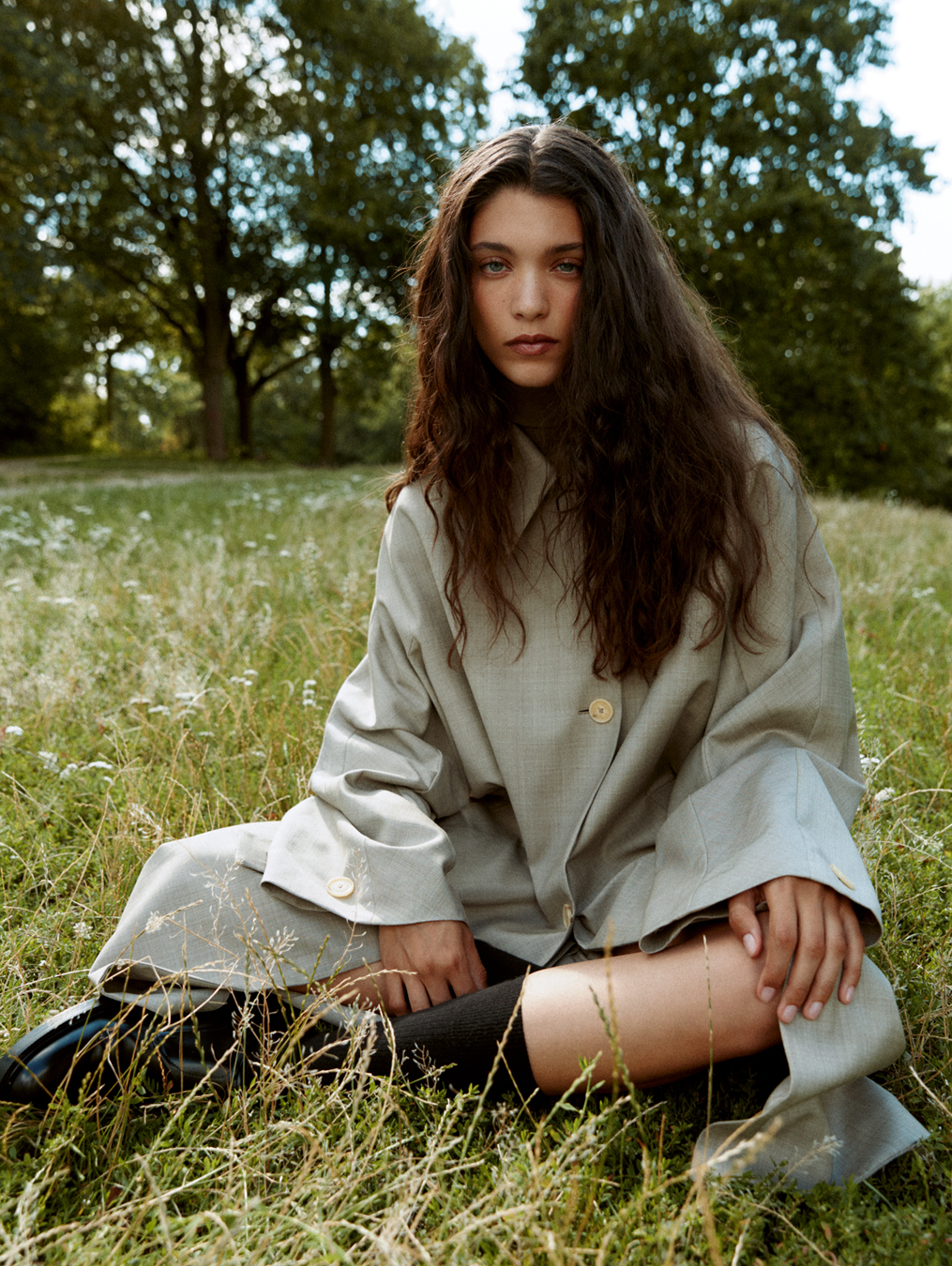
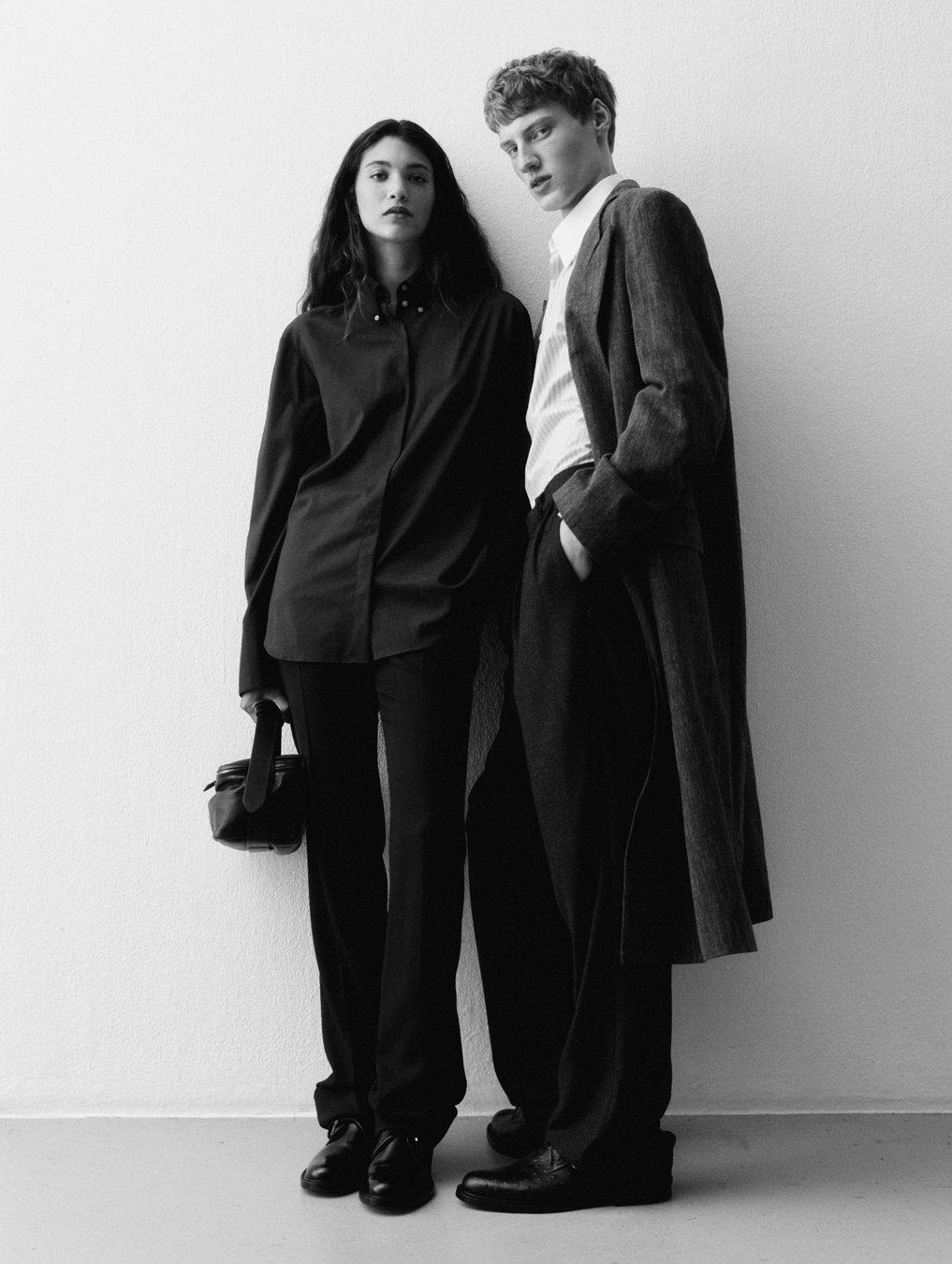
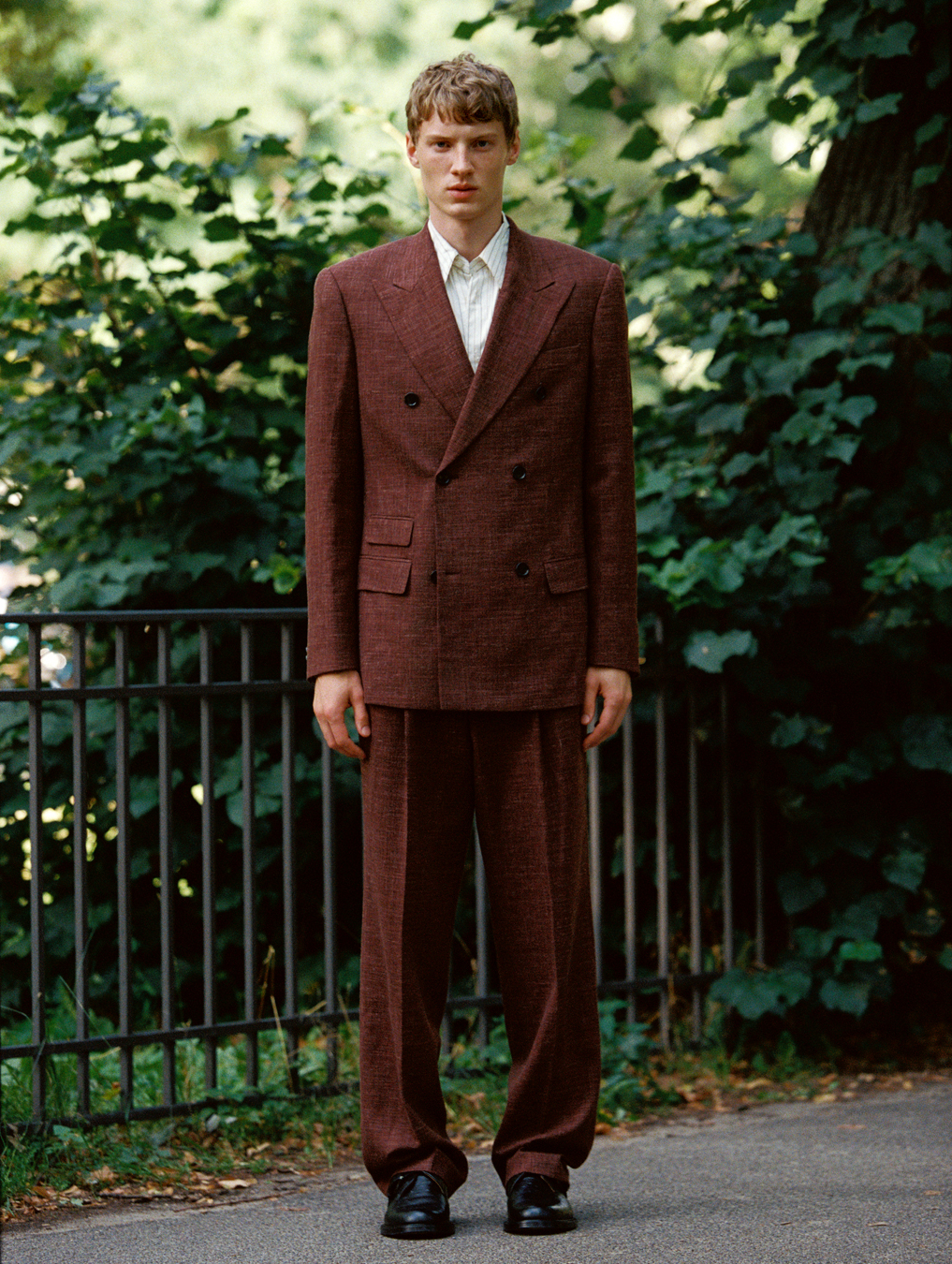
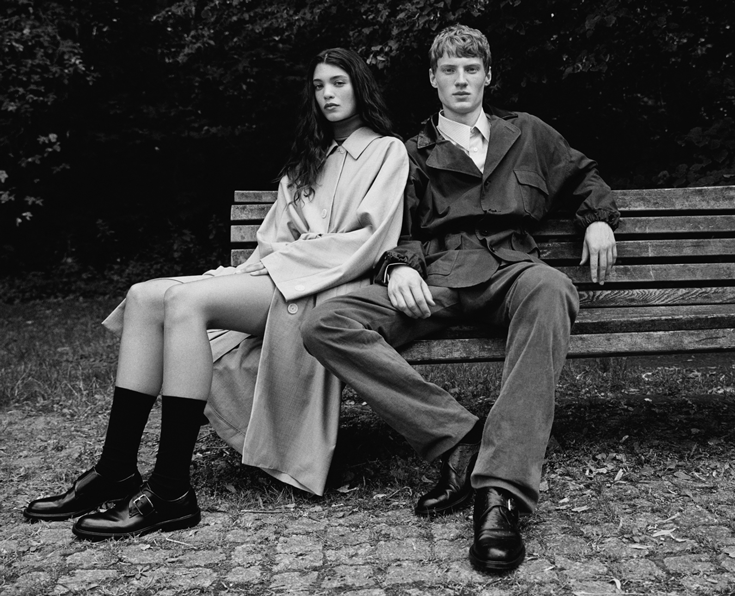
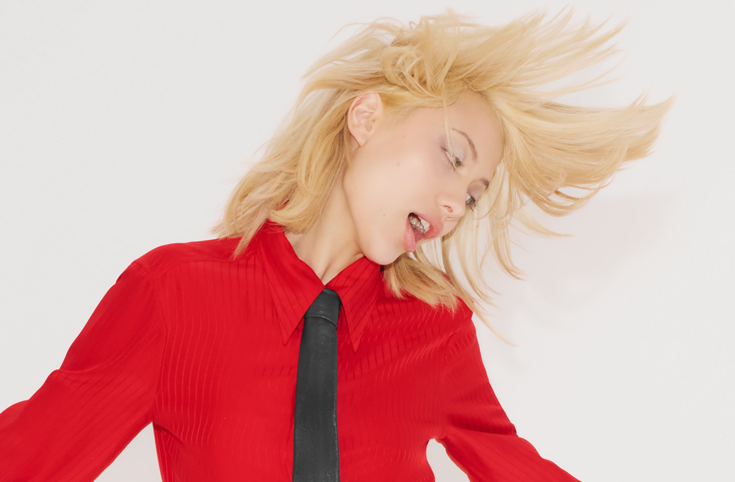
BOSS: OPENING GAMBIT
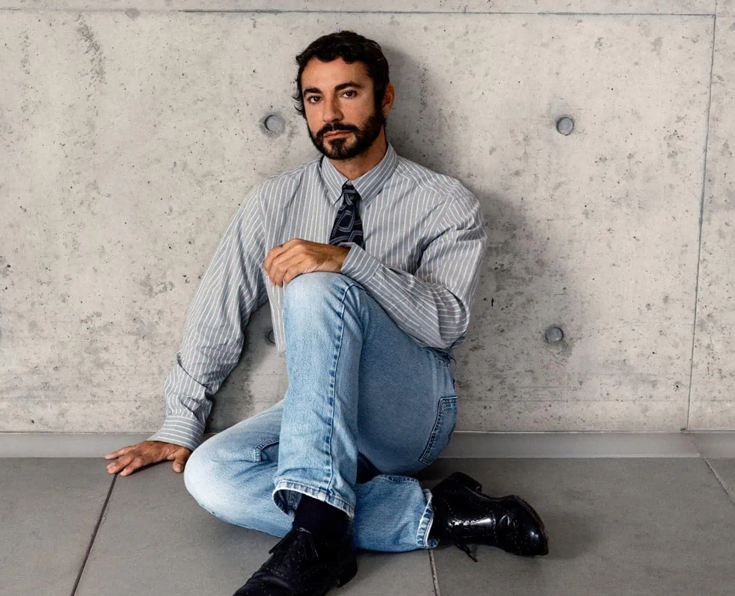
It’s been an intense few months for Marco Falcioni, the creative director of powerhouse Hugo Boss, since the company announced its takeover as the official lifestyle outfitter of the Australian Open in 2027. We caught up to straight-talk DNA tailoring, the heartland of Hugo Boss and tennis. Game on.
Next year’s Australian Open marks a significant moment for Hugo Boss’ growing involvement in tennis. “I’m not the most sports-obsessed person,” Falcioni admits, “but I deeply respect what sport represents.” In an age of instant recognition, he believes athletic achievement still rewards qualities that matter. “Commitment, discipline, precision, consistency. Those values align naturally with Boss.” Although the company that was established in 1924 has a long history in Formula One, golf and sailing, tennis is relatively new. “We started taking [sport] seriously years before everyone else suddenly became interested,” he says.
The company’s history in tennis does date back to the 1980s, when it embarked on a 15-year-long sponsorship of the Davis Cup, the world’s largest international team competition in men’s tennis. Most recently, Boss has welcomed star players Taylor Fritz and Matteo Berrettini, and emerging German players Noma Noha Akugue and Ella Seidel, as ambassadors. Since 2022, Hugo Boss has served as title sponsor of the ATP 250 tournament the Boss Open in Stuttgart.
For the AO – as it’s affectionately abbreviated – Boss has created uniforms for more than 4,000 staff including ball kids, officials and ground staff, plus a merchandise collection. “The biggest challenge has been the Australian summer. Everyone kept reminding us: it’s 40 degrees – don’t forget!” he says. Performance technology became essential. “We used moisture management, UV protection, quick-dry fabrics, everything we could. We started asking our Italian mills, ‘Can beautiful wool or cashmere also offer stretch? Can it provide UV protection without compromising the fabric?’ But we never sacrificed beauty for technology – the two have to work together.”
Among all the AO pieces, one element of the project became his favourite: the ball kids. This allowed the team greater creative freedom. “We revisited ’90s Boss windbreakers from the archive and reinterpreted them using modern performance fabrics. That’s probably where we put most of our attention,” he says.
Before joining the brand more than a decade ago, his background was in sportswear and denim. “Coming to Hugo Boss was almost like pressing the reboot button on my career. I had to learn tailoring from the beginning, where it came from, why it mattered.” That education changed how he thinks about the suit. “Modern tailoring isn’t about formality anymore. It’s a tool for expressing individuality.” At its highest level, he says, made-to-measure tailoring is about enhancing the wearer rather than disguising them. “Whether you want to feel more comfortable, appear taller, sharper or more defined through the waist, good tailoring can do all of that. There are so many subtle tricks.”
Increasingly, it’s the personal details that matter most. “Choosing the lining, the buttons, the lapel width, the fabric, the proportions, those are the things that make a garment uniquely yours. I think of tailoring as a platform for personality. You can wear it to the office, to an event, or simply because you love wearing a blazer or a pleated trouser.”
Falcioni’s earliest fashion memory was in Rome. “Every Thursday after school, my mother and I would go into the city centre. There was a shop, which isn’t there anymore, and one day I saw a Helmut Lang silk parka there and I was obsessed.” He spent six months talking about it and his mother bought it for him two days before Christmas. “I still have it,” he says warmly. In fact, he has kept almost everything. “My parents’ house in Rome is basically my archive,” says Falcioni. “Hundreds of pairs of jeans, jackets, caps, jerseys, I can never bring myself to sell anything. Every time I think, ‘Maybe I should let this go,’ I immediately think, ‘No, I might need it one day.’”
He’s unapologetically obsessed with the Boss archive. “Our earliest pieces date back to the late ’70s, around the time the Boss trademark was established. I spend a lot of time looking through them.” But inspiration isn’t about simply reproducing something. “You need to study the archive and then forget it. Whatever stays in the back of your mind becomes unconscious knowledge that helps build the next collection. I never copy, and neither does my team.” He admits to having favourite pieces. “There’s a blazer from 1991 that fits me perfectly. The shoulder is broader, the buttoning point is lower, it suits my proportions.”
What fascinates him almost as much are the names. “There used to be this wonderful tradition of naming jackets after actors or famous personalities. We have a blazer called ‘Cary Grant’. Last year we found a coat called ‘Gorbachev’ because it was so square and boxy.” Those references, he says, mattered. “In an age of algorithms and data, you still need to imagine a person. We dream about timeless characters who help us tell the story.” Naming pieces is no longer practical. “Today you have trademarks, permissions and royalties. You can’t just call a jacket after somebody anymore.”
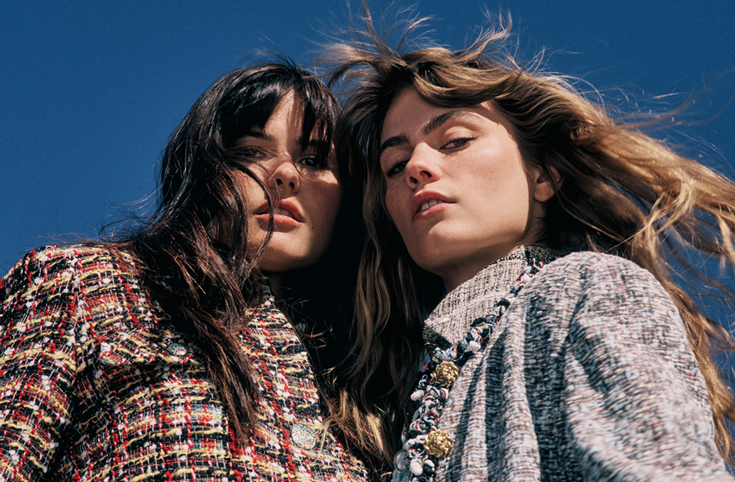
The AW26 collection was partly inspired by vintage sales books. “We found these incredible merchandising images showing coats, shirts, waistcoats, ties and pocket squares layered together. Nothing matched exactly, but everything somehow worked. It felt incredibly artful,” he says. Falcioni encouraged the team to embrace an instinct around this, “I told everyone, ‘Forget the colour cards, bring me every fabric.’” They visited one of Boss’ historic tie manufacturers in Como. “We asked if they still had the archive from the ’90s and they did.” Soon the studio was overflowing with swatches, vintage references and prototypes. “It was complete chaos, but productive chaos. We built the collection by physically putting fabrics together until something clicked.”
Experience, he says, has taught him to trust ideas before they fully make sense. “Sometimes, I feel something before I can explain it. Maybe it takes two months. Maybe it takes a prototype. Sometimes it takes until two days before the show. But there’s always a moment when you know.”
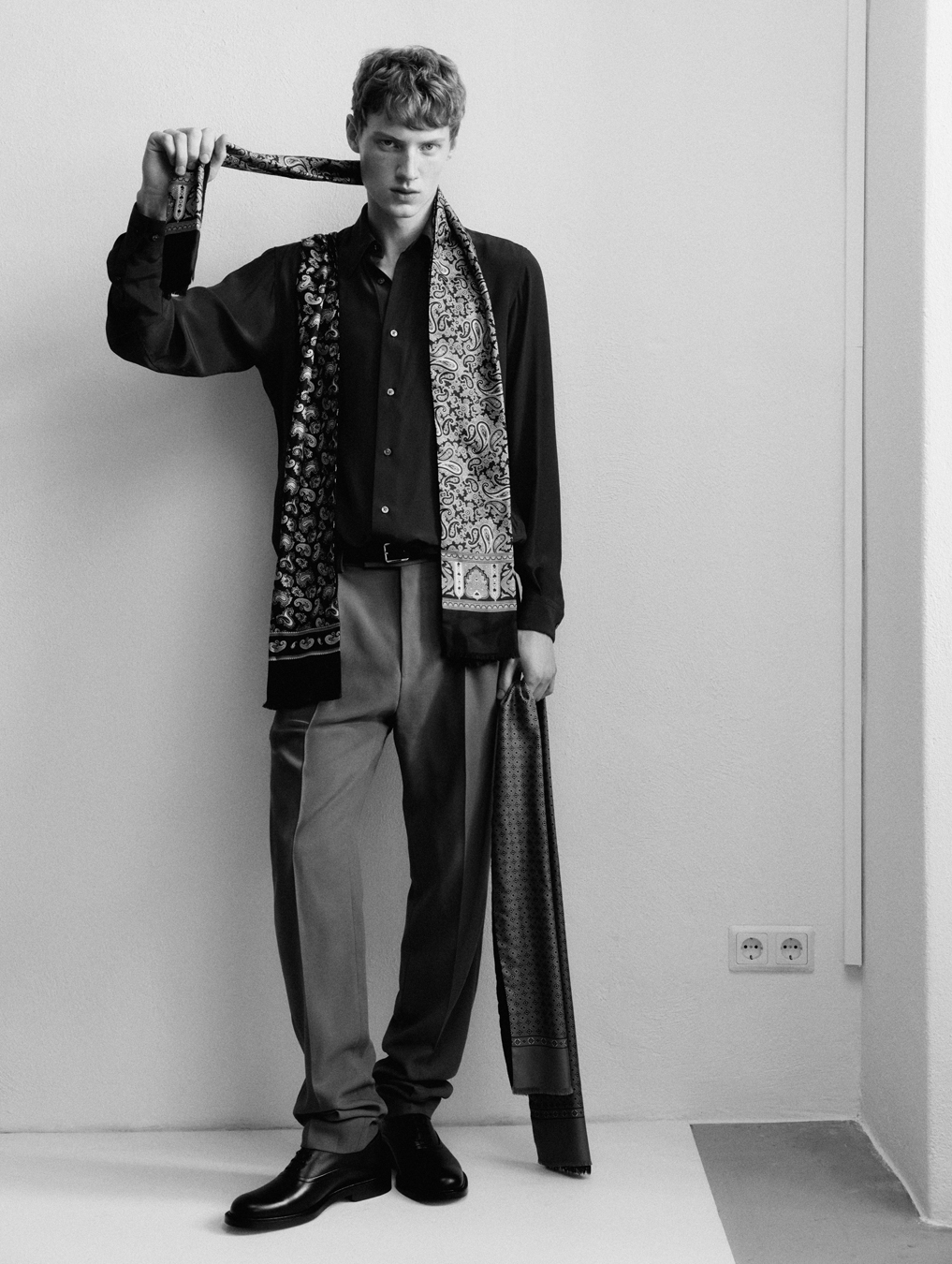
His recent obsession with neckties is a perfect example. “I’d never worn a tie in my life. Then I started buying vintage ties at flea markets. They sat on my desk for months while I figured out what they meant.” And then the idea crystallised. “I realised I wanted an entire show built around ties,” he says. The team discussed it. “They said, ‘Are you sure you want to put ties at the centre of the collection?’ I said, ‘Of course. Why not?’” What surprised him most was the reaction inside his own studio. “The women on the team started borrowing the ties and styling them themselves. That’s when I realised it wasn’t only about traditional menswear.”
He has witnessed the change in menswear. “Women have always been more engaged with fashion. They’re informed, they’re quicker to adopt trends. What’s changed over the last decade is that men have become much faster too.” That shift, he believes, has fundamentally changed the way collections are designed. “Years ago, you could define a season by one silhouette. There was one clear menswear trend coming off the runway. Today, you can’t really talk about a single trend anymore, and I think that’s a positive thing.” He adds, “You have to build a wardrobe that’s versatile enough to satisfy different clients. Men are adopting trends much faster, but they’re also mixing them in their own way.”
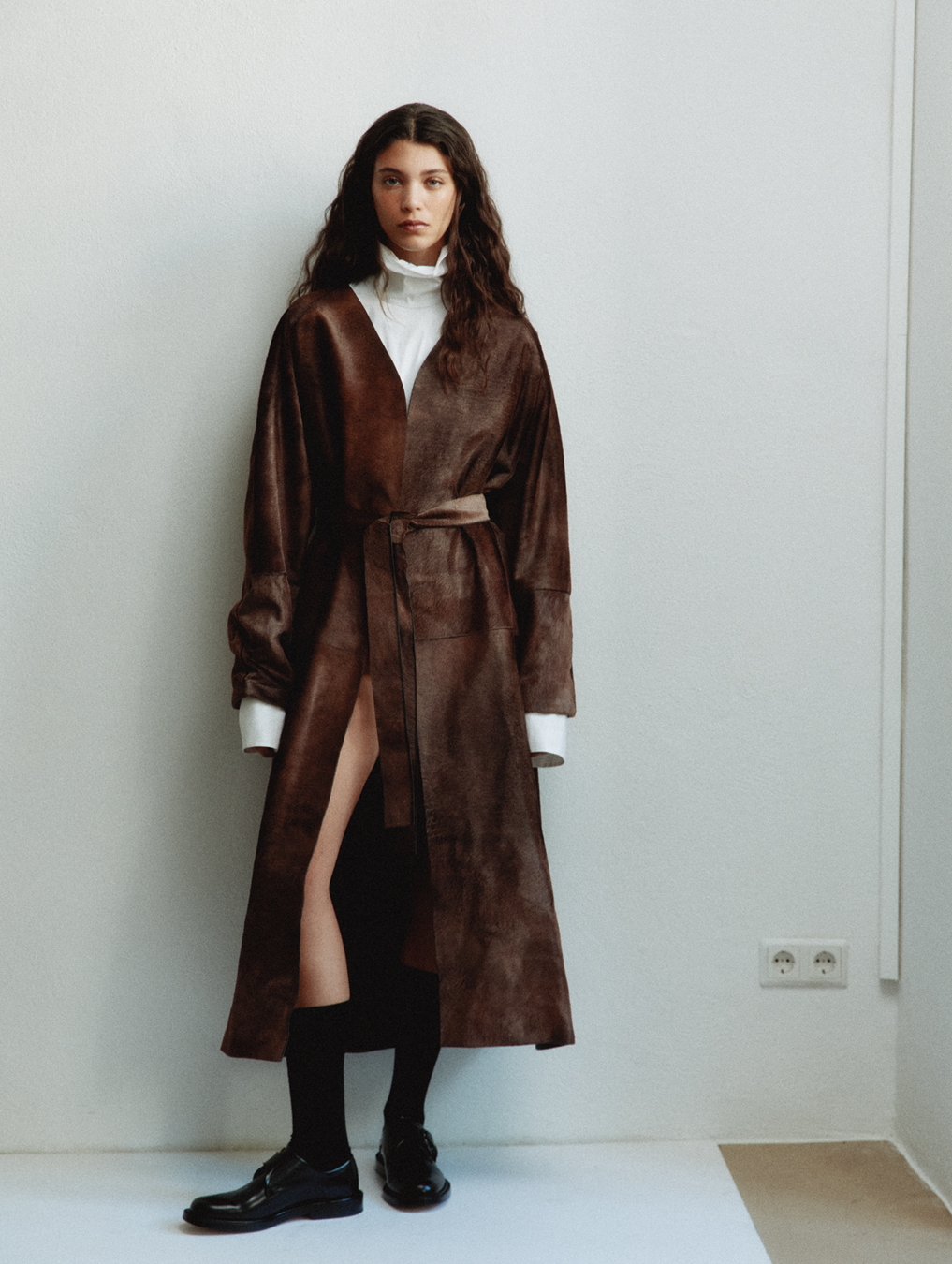
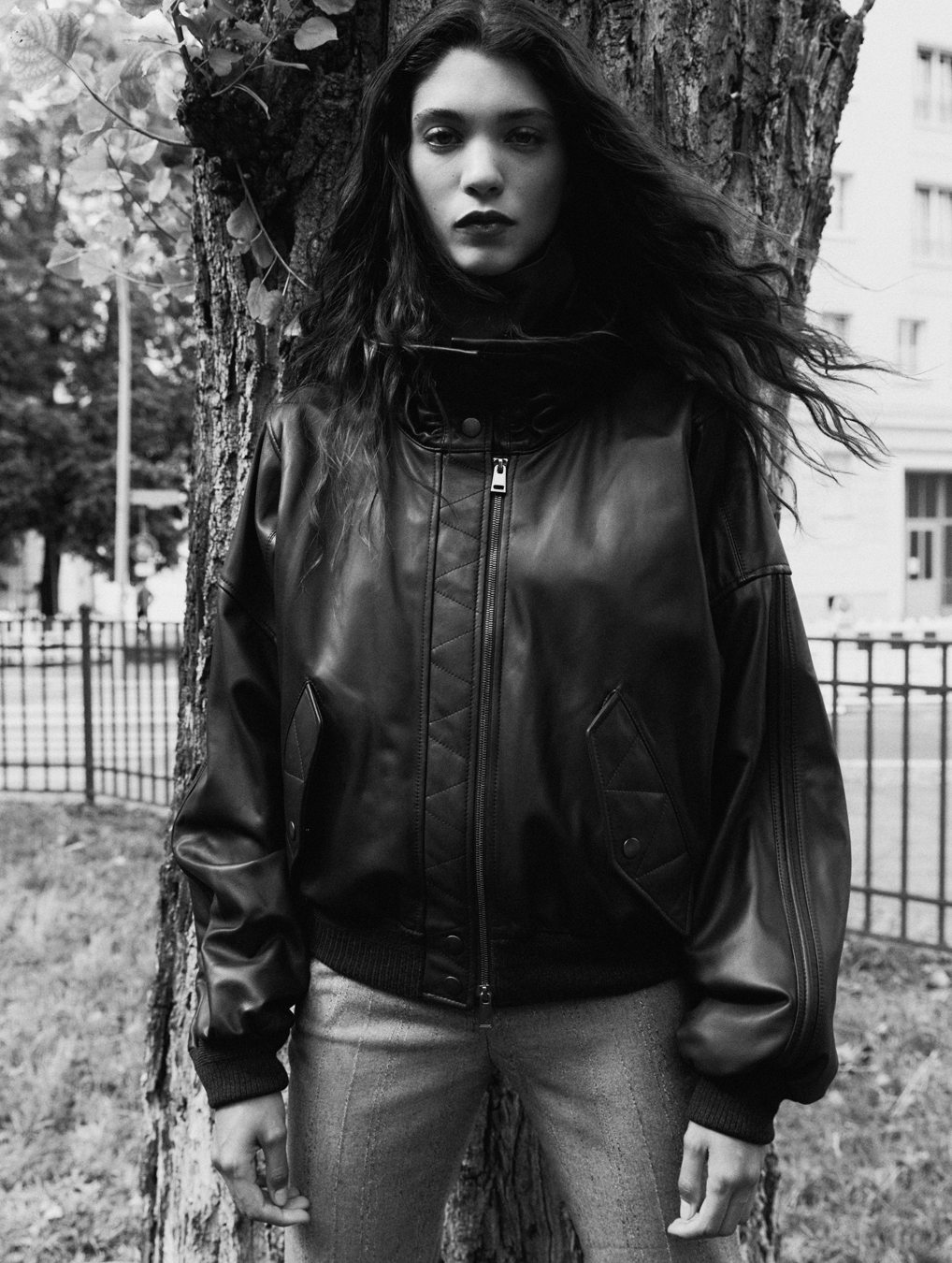
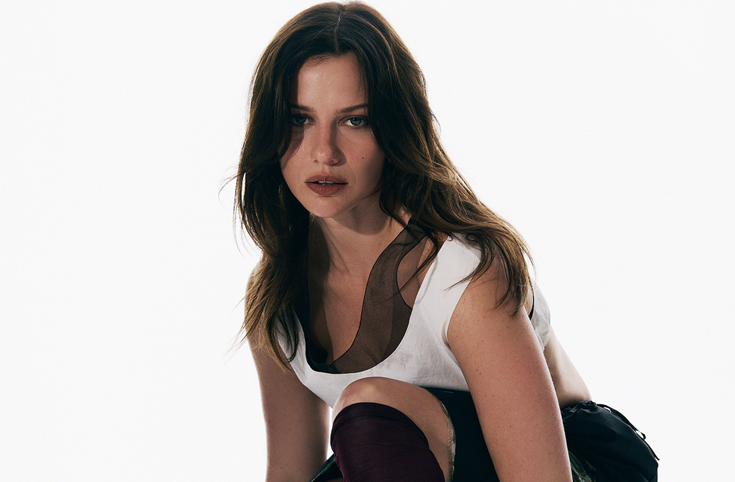
Falcioni doesn’t design for one specific person, but he thinks carefully about the evolution of the Boss identity. “The Boss man has existed for decades. My job isn’t to reinvent him every season, it’s to keep adding meaningful chapters. In 30 years, I’d love someone to look back and say, ‘That was cool. That was unmistakably Boss.’ If we can achieve both of those things, we’ll have succeeded.” The women’s story is different. “Womenswear is relatively young. It only began [at Boss] in 2001, so it’s still developing its own identity. You can’t simply take a men’s blazer, put it on a woman and think you’ve solved it.” One principle, however, is non-negotiable. “Our woman isn’t the companion of the boss. She’s the boss herself.” Inside the studio there is an empowering shorthand. “When we see something that really works, someone will say, ‘She owns 51 per cent of the company.’” He laughs. “It’s our internal language. If a piece feels confident, sensual, beautifully made and powerful without trying too hard, that’s what we say.”
He describes his leadership by quipping, “I’m a clown.” Fashion, he says, “should never become self-important. We’re incredibly lucky to do a job we love. The industry goes through difficult moments, the world goes through difficult moments, but I think it’s important to keep the atmosphere positive.” He is, he admits with a smile, demanding. “Everyone works hard. But there’s always a reason behind it.” Rather than managing through intense pressure, he prefers curiosity. “I like to give people a challenge they fall in love with. If they believe in the idea, they’ll give you 200 per cent.” He also, perhaps unconsciously, enjoys mentoring young designers, regularly returning to a fashion school in Rome to review graduating collections. “I ask students what they really want. Do they want to work for a company? Do they want their own brand? Do they actually have something to say?” His own education, he admits, was conventional. “It was linear. I learned by working. I was mentored almost unconsciously, so that’s how I try to help other people.”
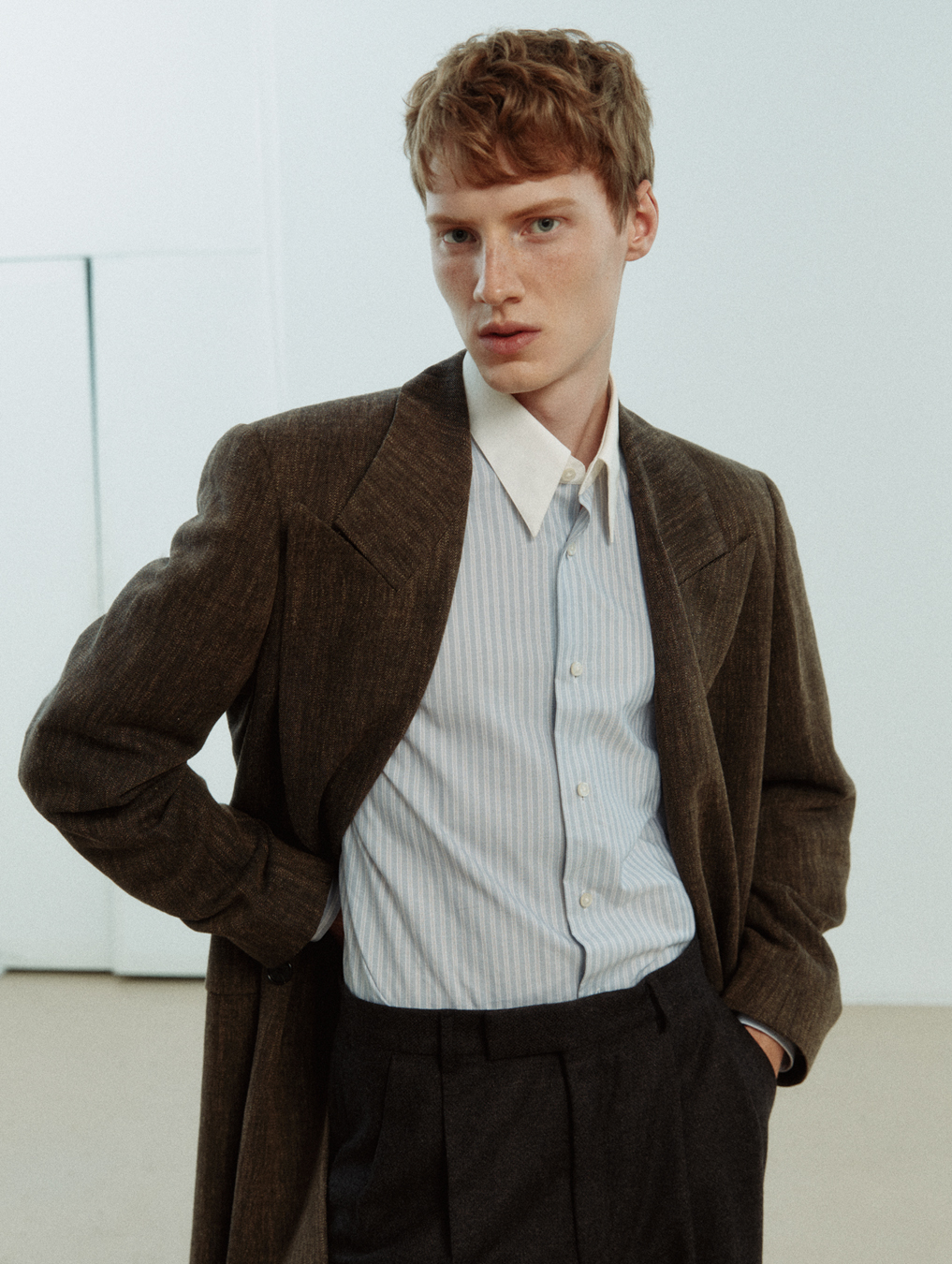
Maintaining the identity of a heritage brand comes down to listening as much as designing. “There are people at Hugo Boss who have worked here for 40 years. They’ll tell you stories about campaigns, fittings, shoots and details that aren’t written anywhere.” As many of them retire, he’s become increasingly conscious of preserving that collective memory. “I invite people back simply to hear those stories. They’re incredibly valuable.”
Certain principles have remained constant across decades. “Quality, precision, sharpness, timelessness. Those things are non-negotiable,” he adds. When a design feels too fleeting or unresolved, he knows it. “If I can’t imagine someone wanting to wear it years from now, it’s probably not a Boss idea.” The feedback comes from every direction, but only one audience really matters. “Everyone has an opinion about fashion, and that’s fine. I listen to buyers, the board, customers. But the most important moment is seeing someone wearing the clothes.” He recalls attending a wedding recently when the groom approached him. “He said, ‘I’m wearing Boss.’ That made me genuinely happy.”
When a new season starts, the mood boards are usually filled with art. Falcioni arrives with photographs from galleries, biennales, exhibitions. “My phone is also full of pictures of people.” He smiles. “I’m endlessly curious.” Sometimes he’ll stop strangers to ask if he can photograph what they’re wearing. “I was at a festival recently that was completely outside the Boss world. It was very Gen Z, not our core customer at all, but it was exactly what I needed.” Exposure to ideas, he knows, keeps creativity alive. “You have to shake your brain. That’s where new ideas begin.”
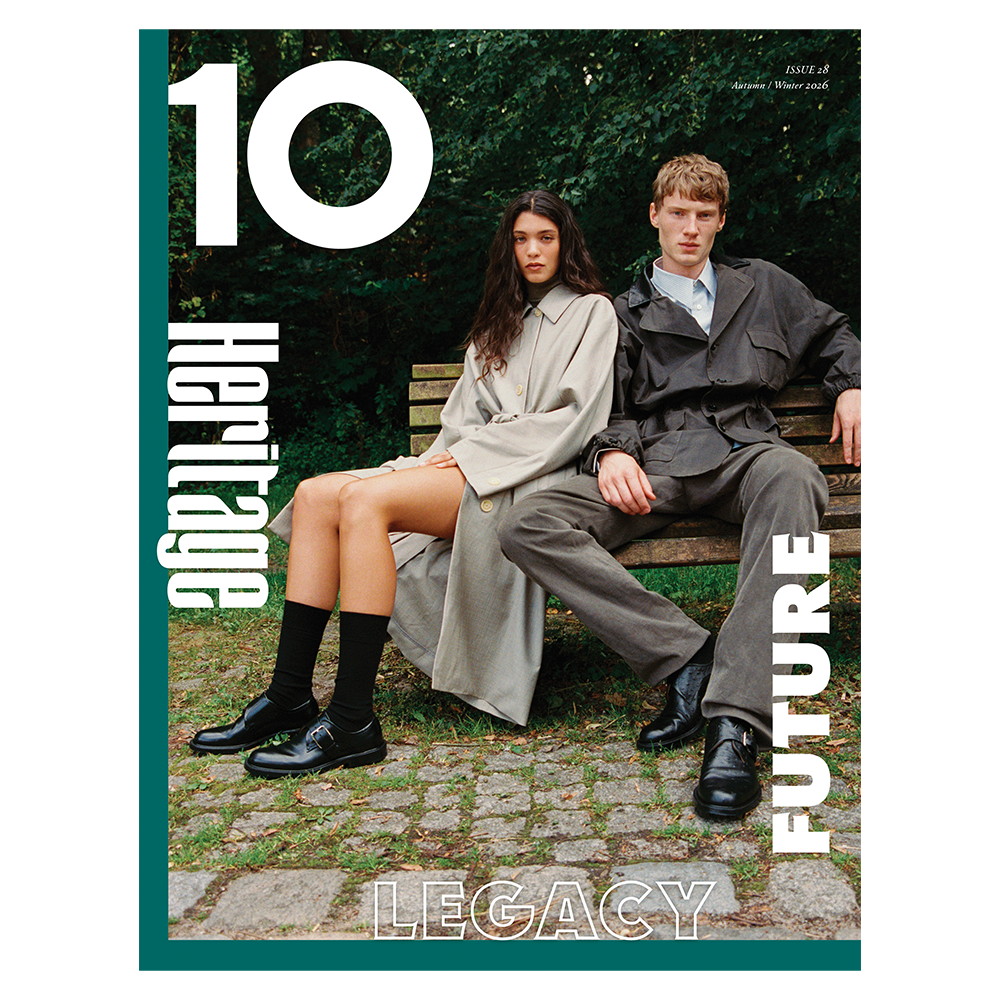
Taken from Issue 28 of 10 Magazine Australia - FUTURE, LEGACY, HERITAGE - out now.
Photographer MAGNUS LECHNER
Fashion Editor TOBY GRIMDITCH
Text ALISON VENESS
Models MARINA MOIOLI at The MiLK Collectiveand BRAIEN VAIKSAAR at Success Models
Hair MICKAEL AMBROSINO using LESS IS MORE
Make-up ANRI OMORI using TOM FORD
Fashion assistant FRANKA DEHMEL
Photographer’s assistants FLO KOLLISCH and EDGAR SCHERWINSKI
Manicurist MADDIN at Studio 358
Casting JULIE SINIOS
Location GARTENSTUDIOS, with thanks to Alex
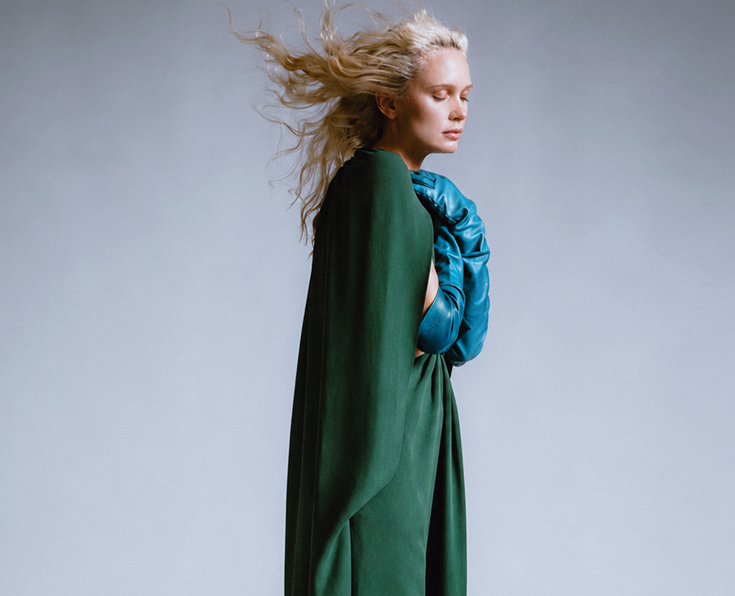
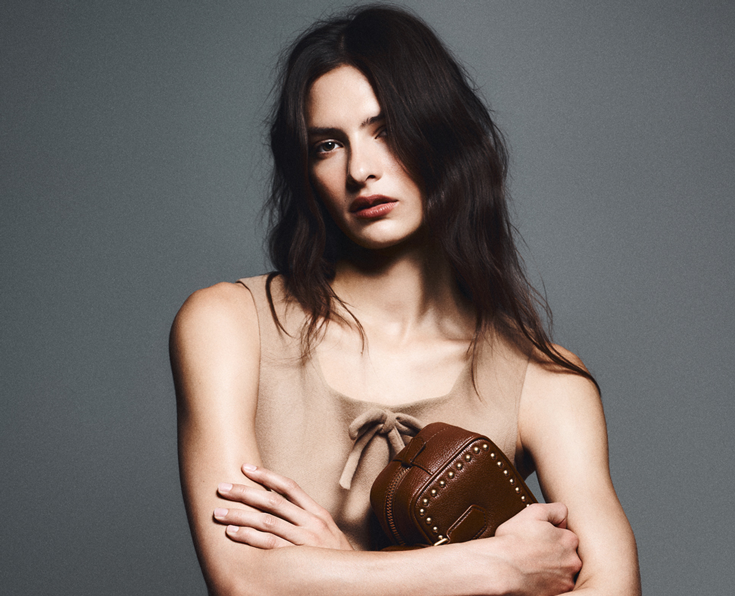
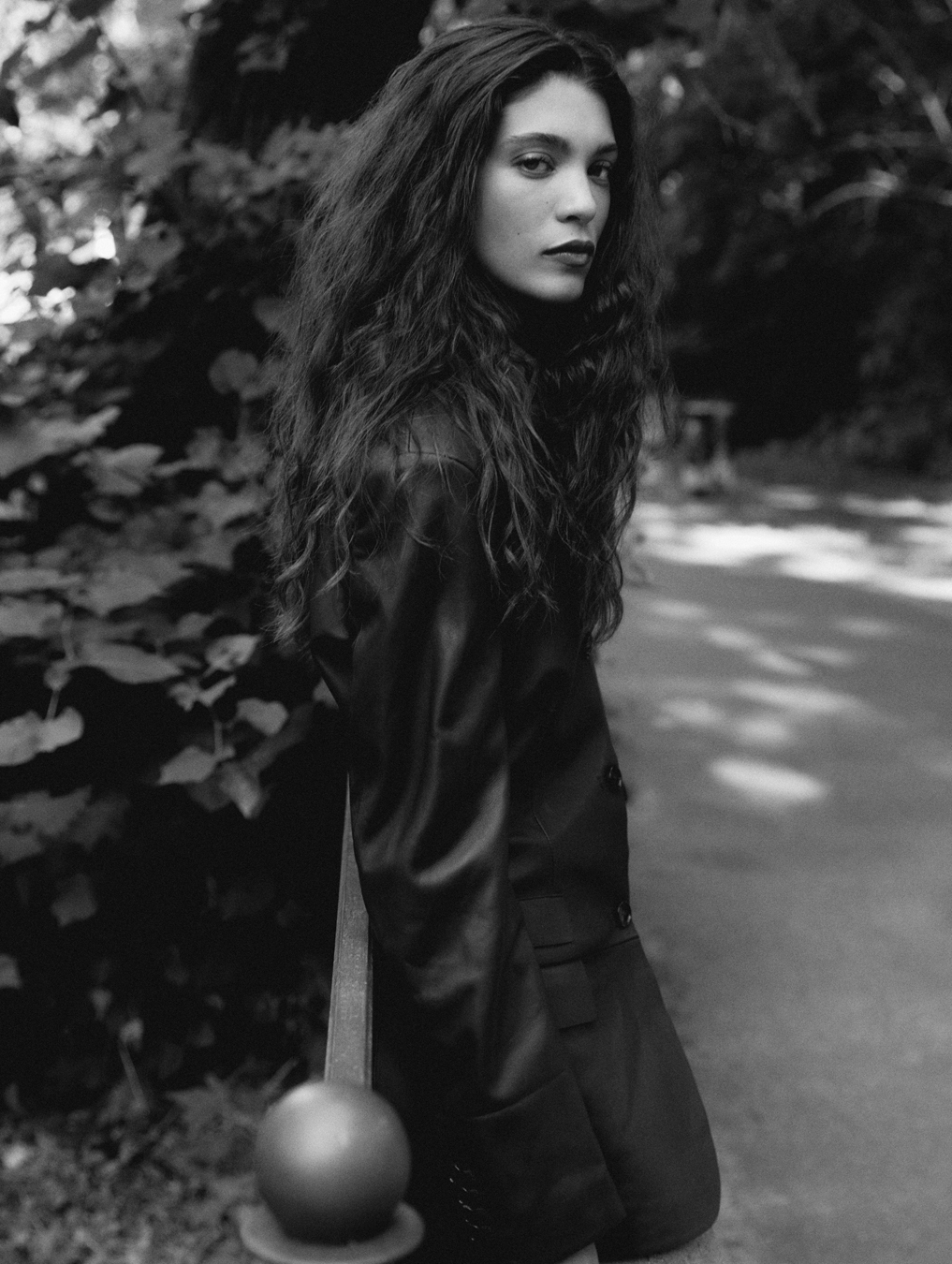
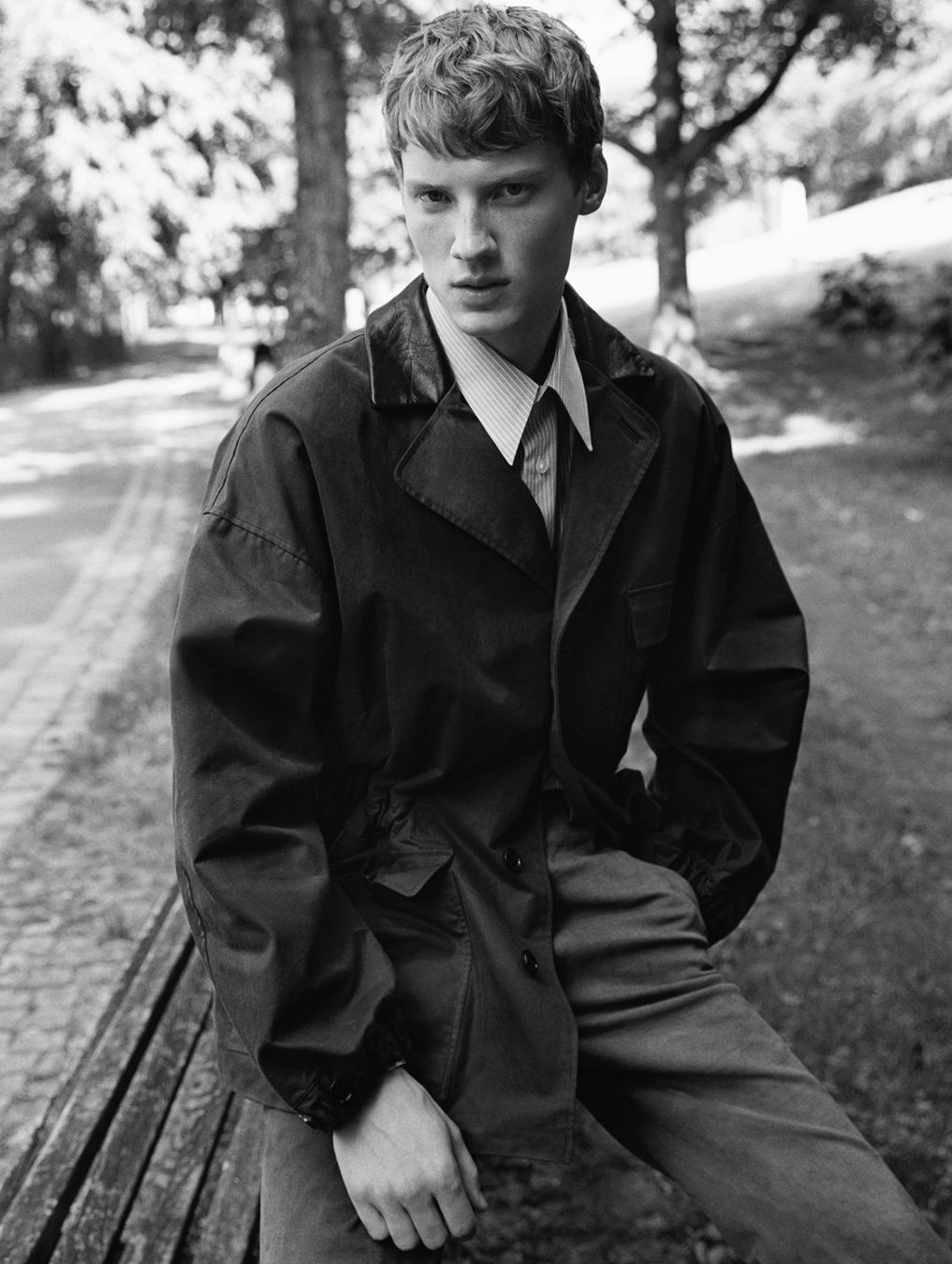
Clothes, bags and shoes throughout BOSS AW26